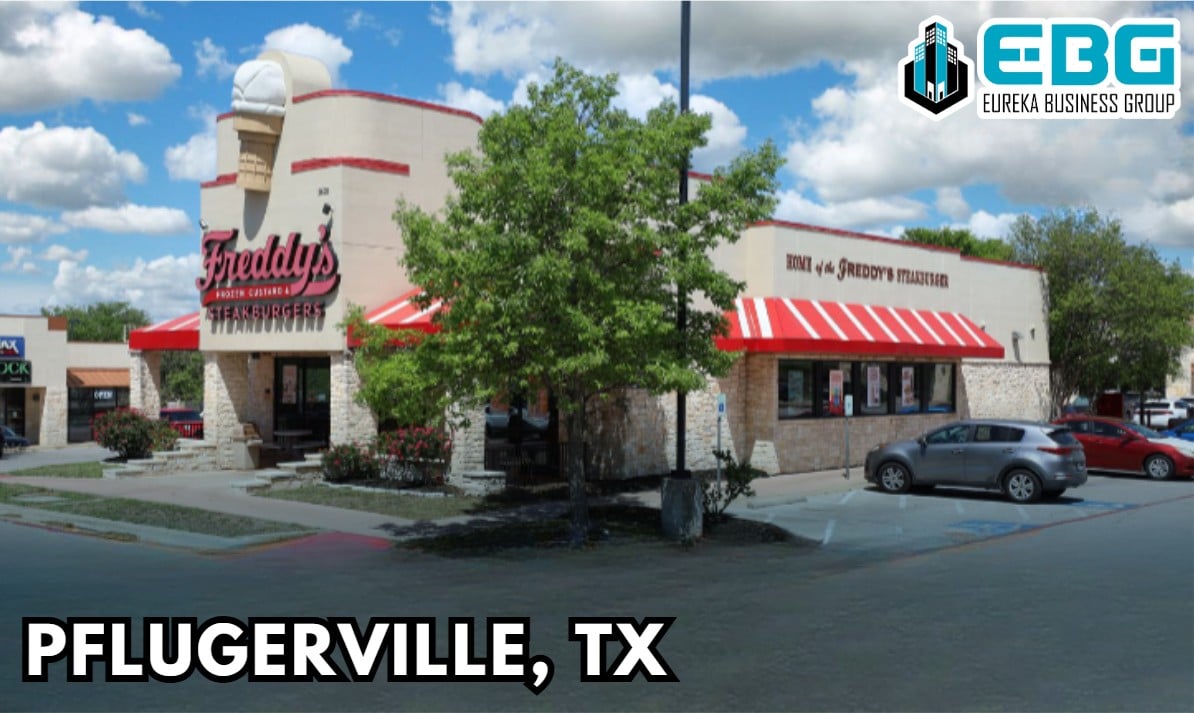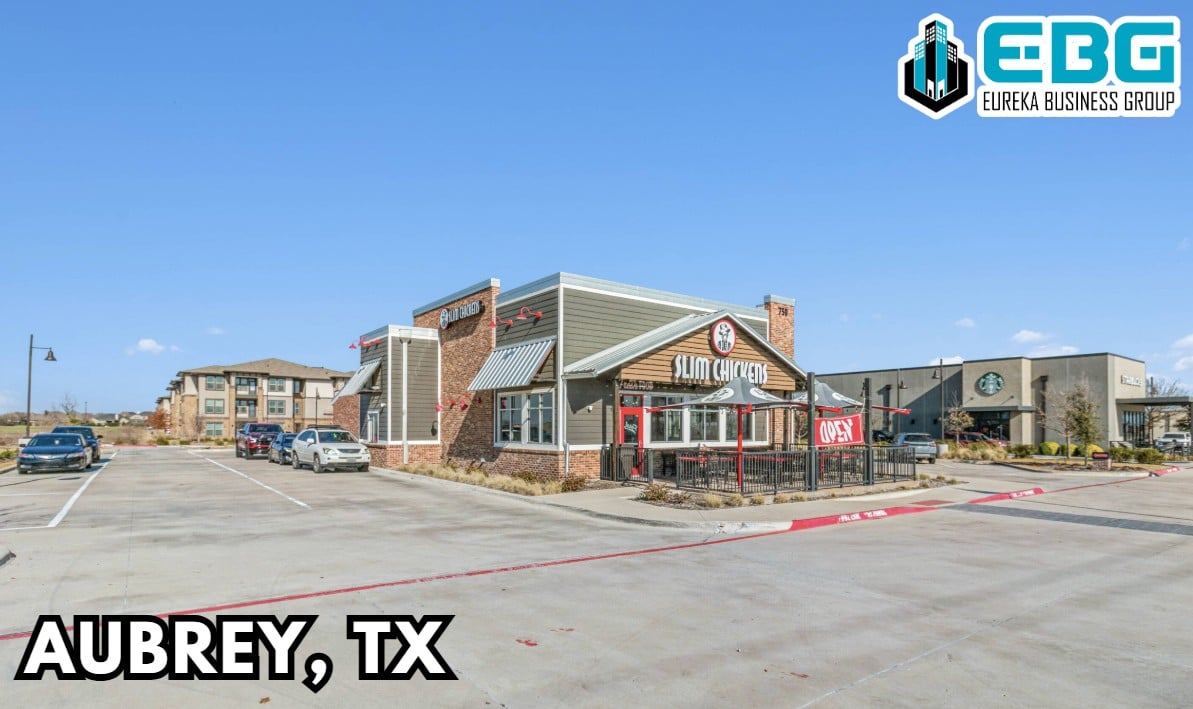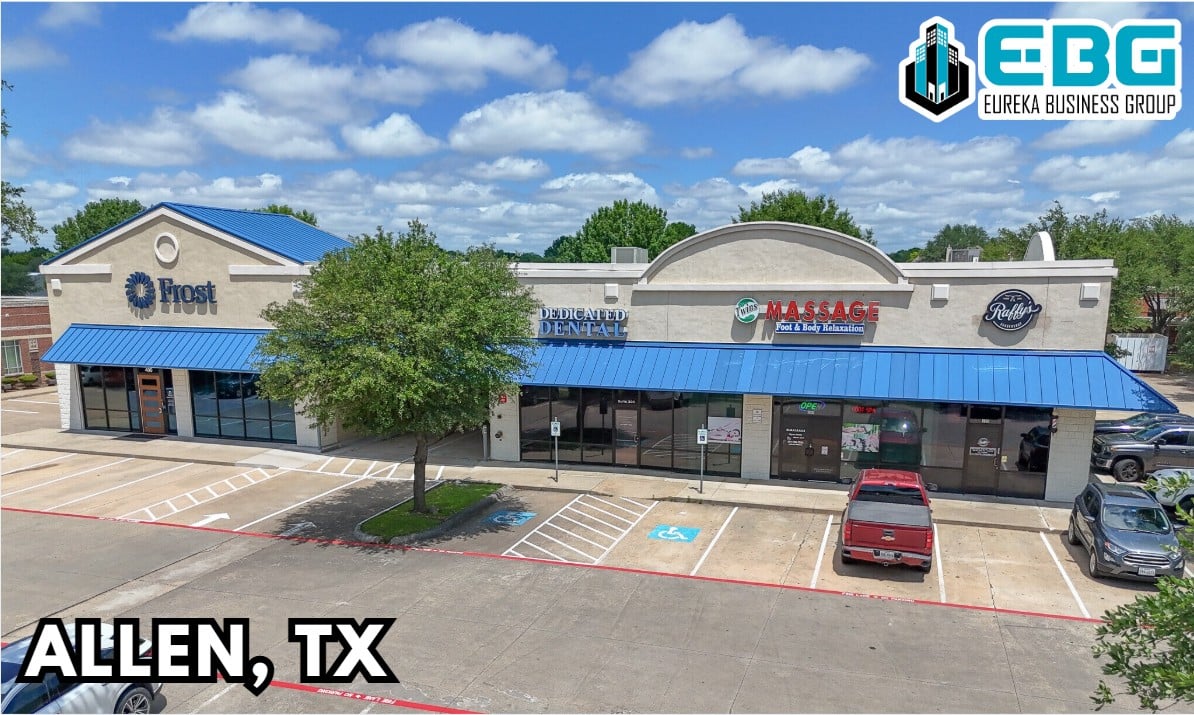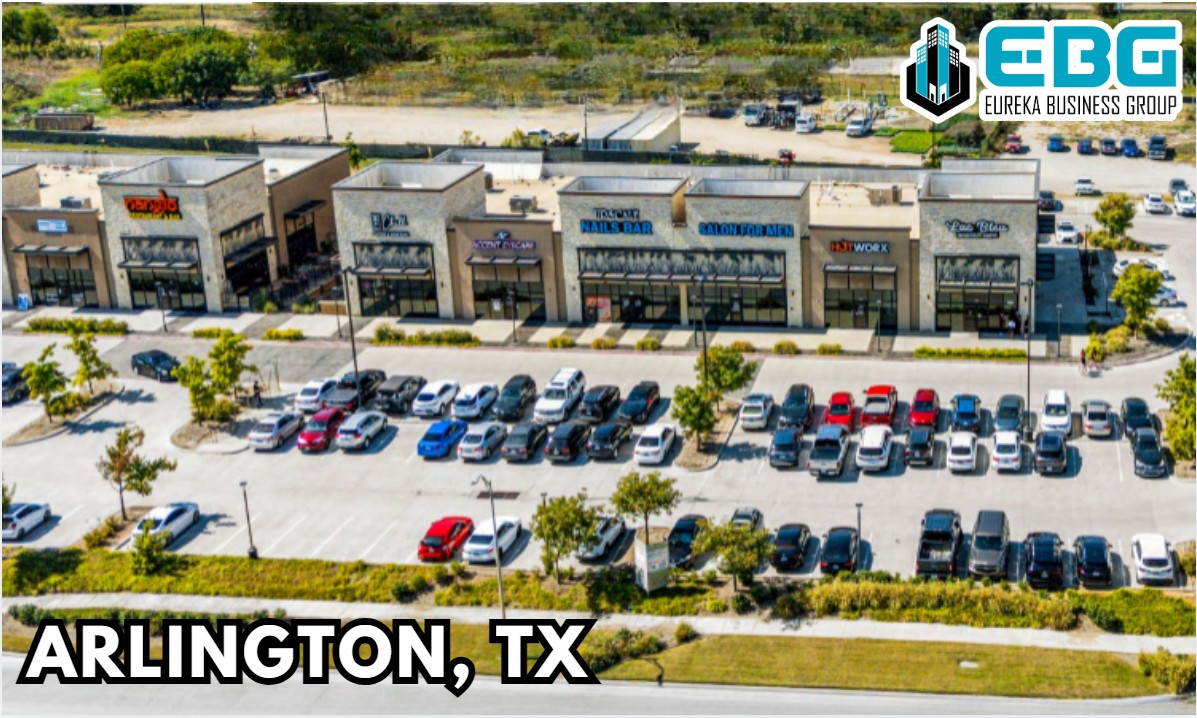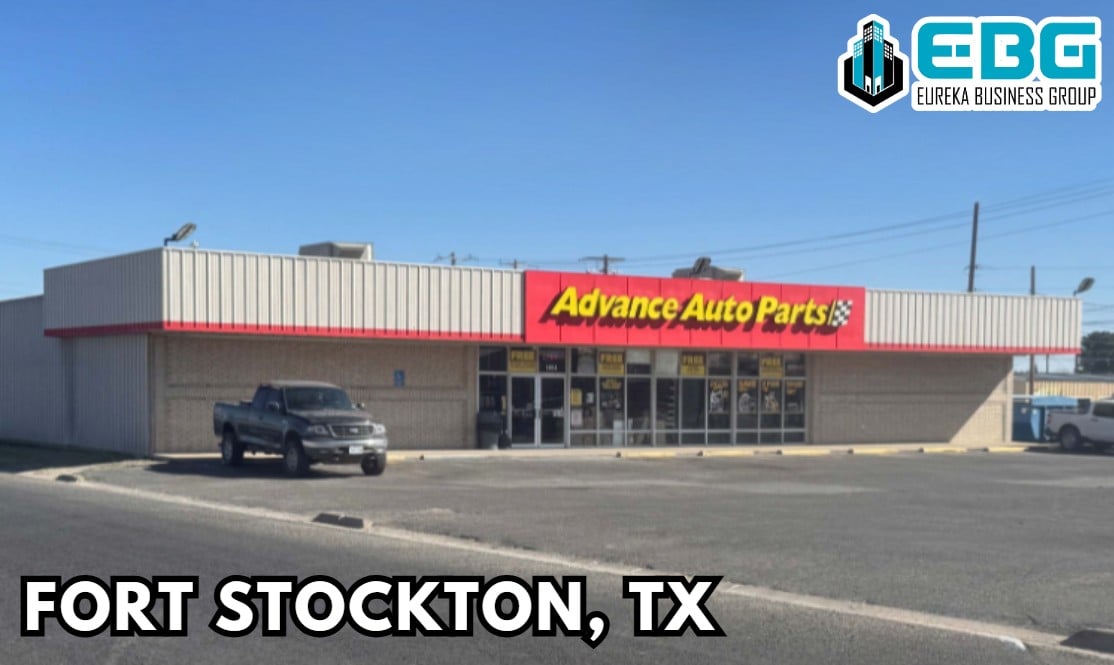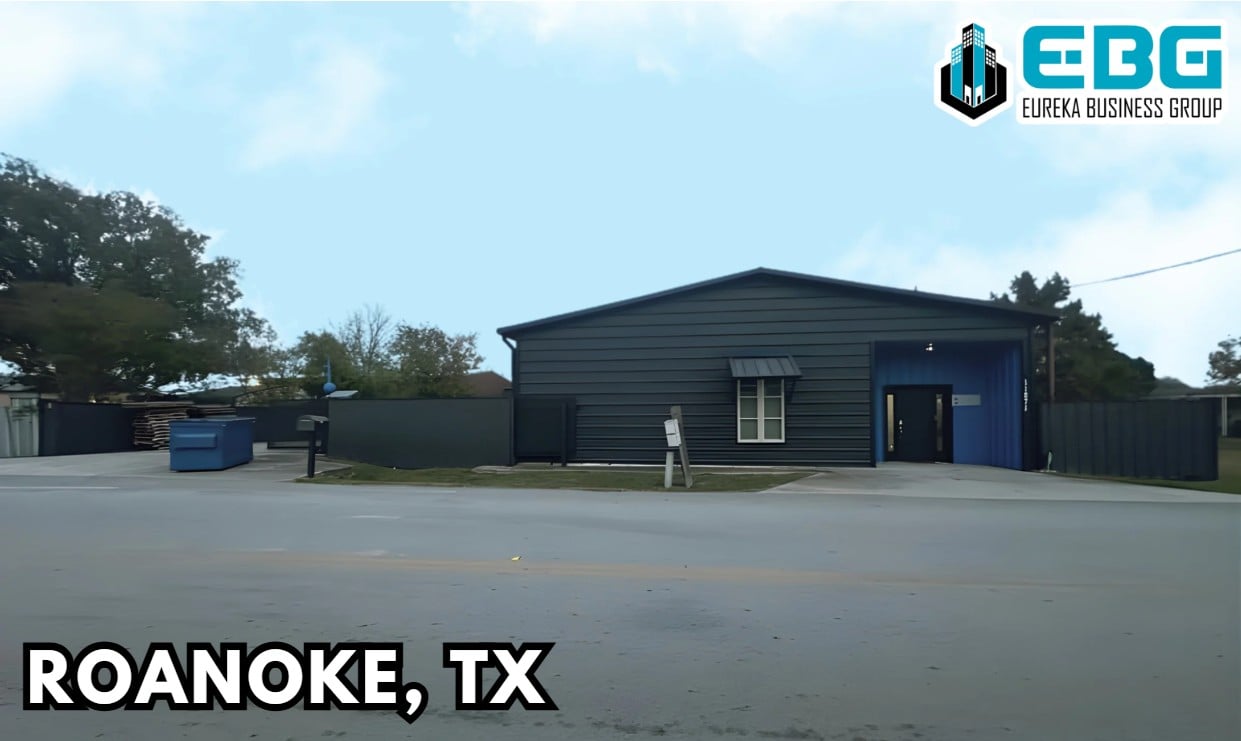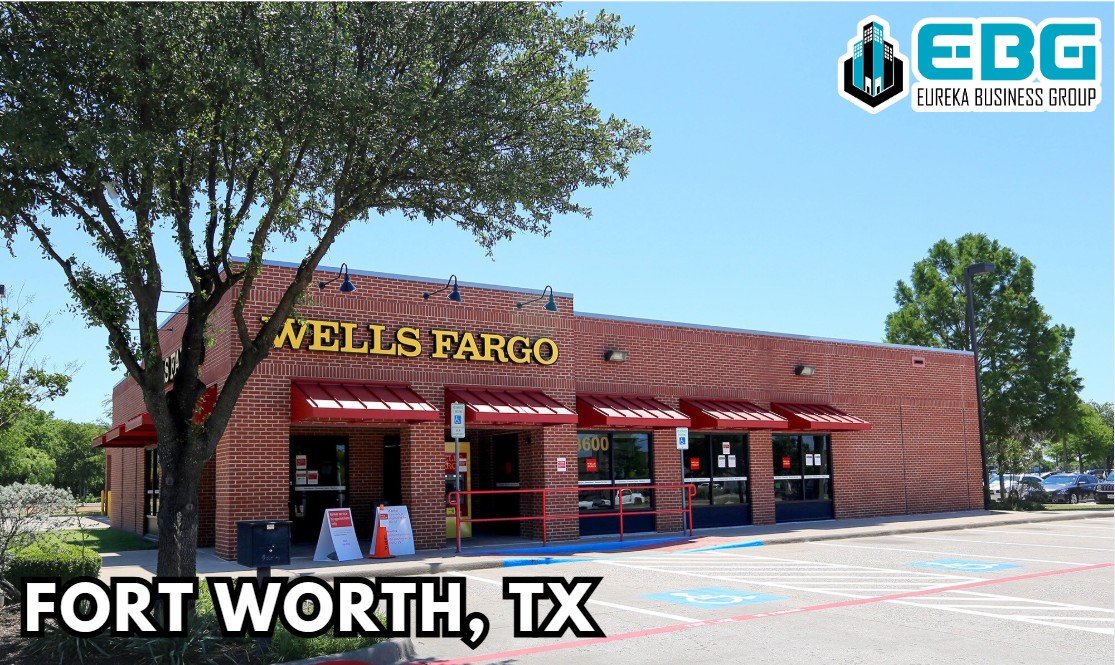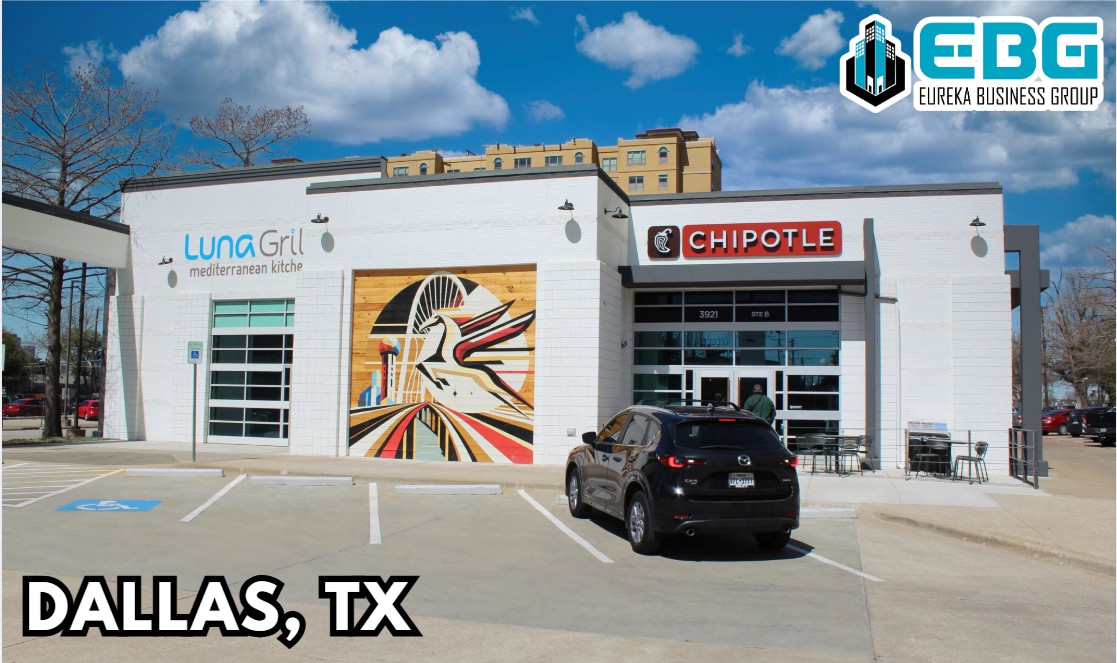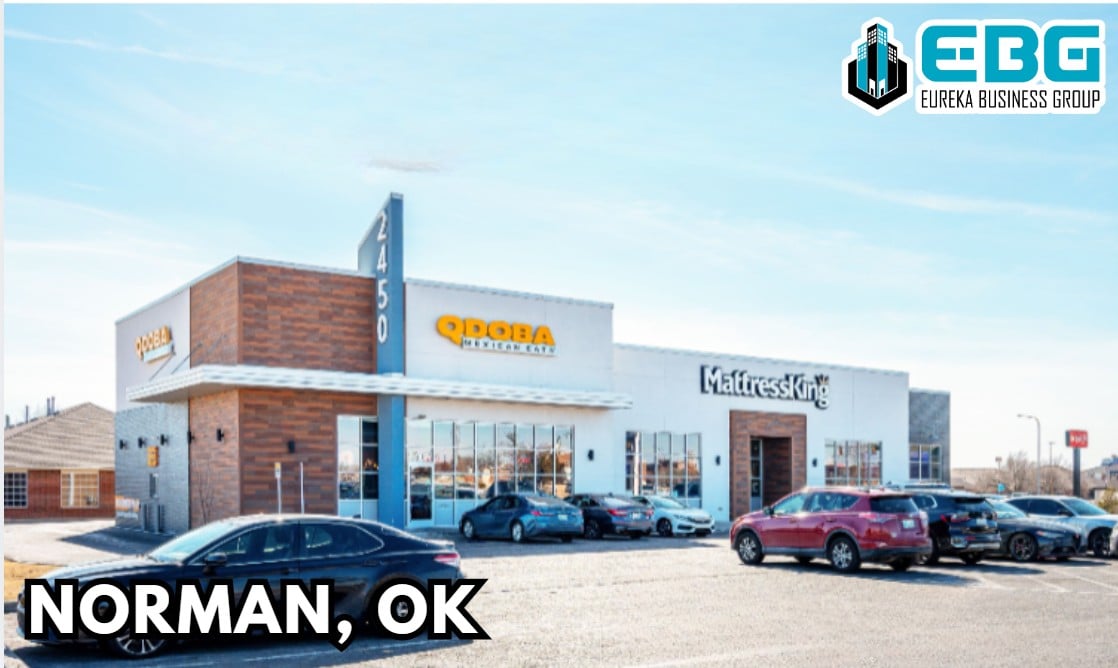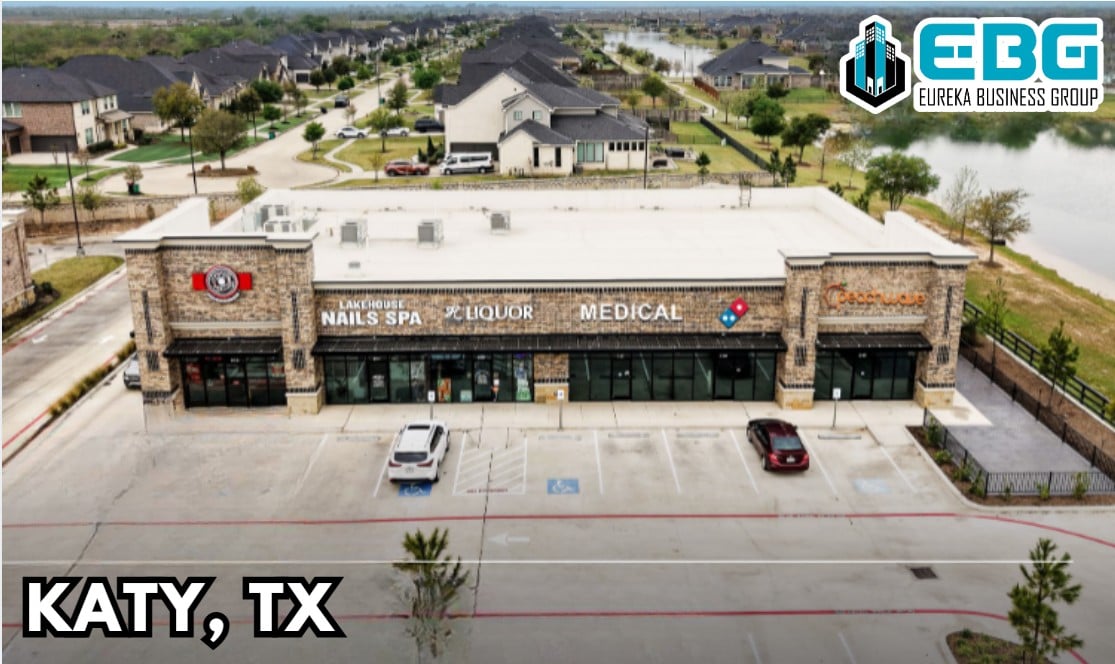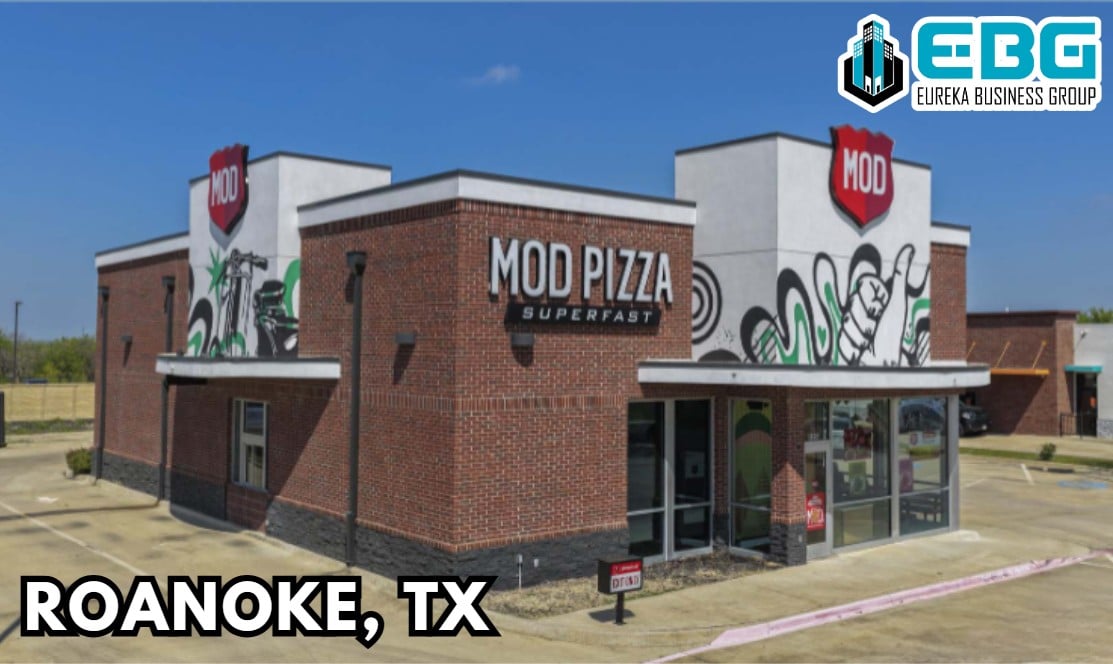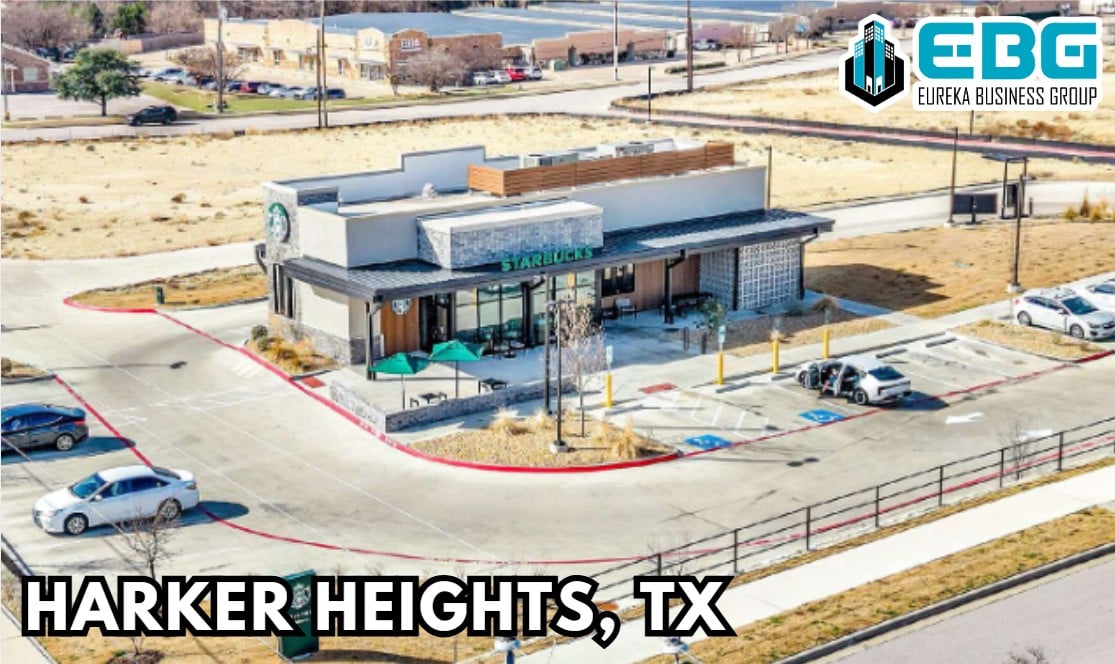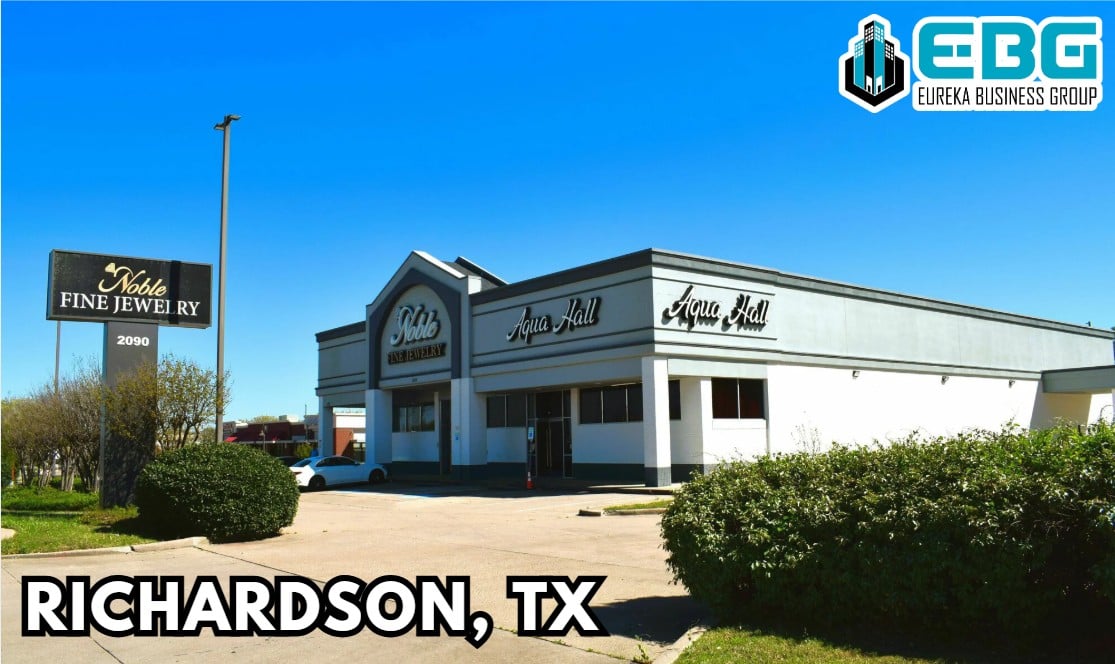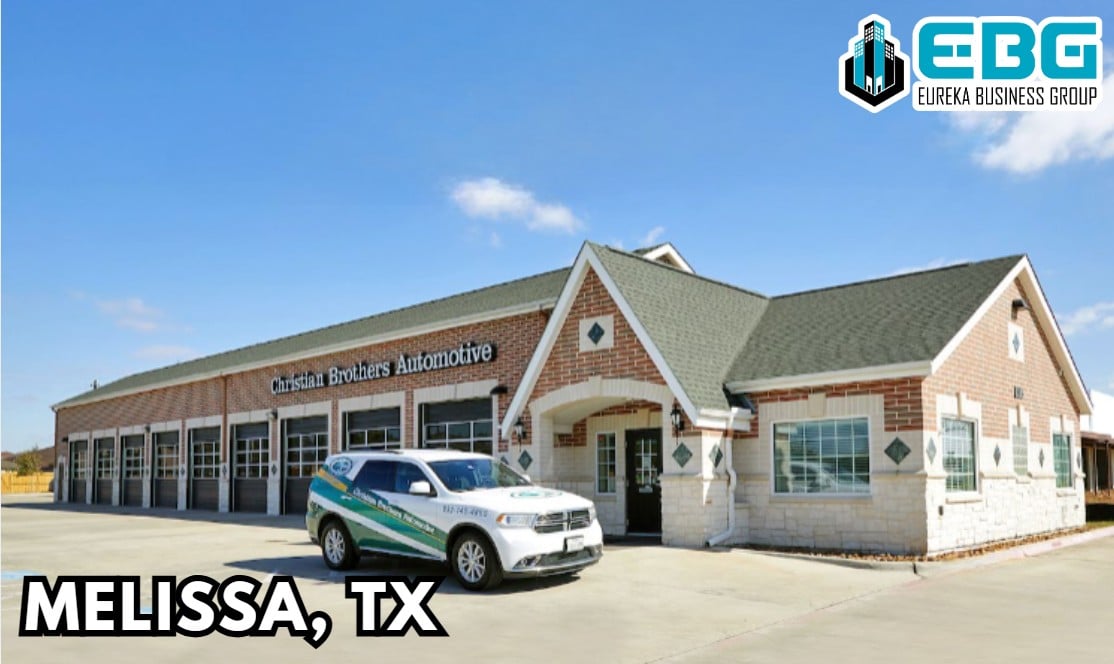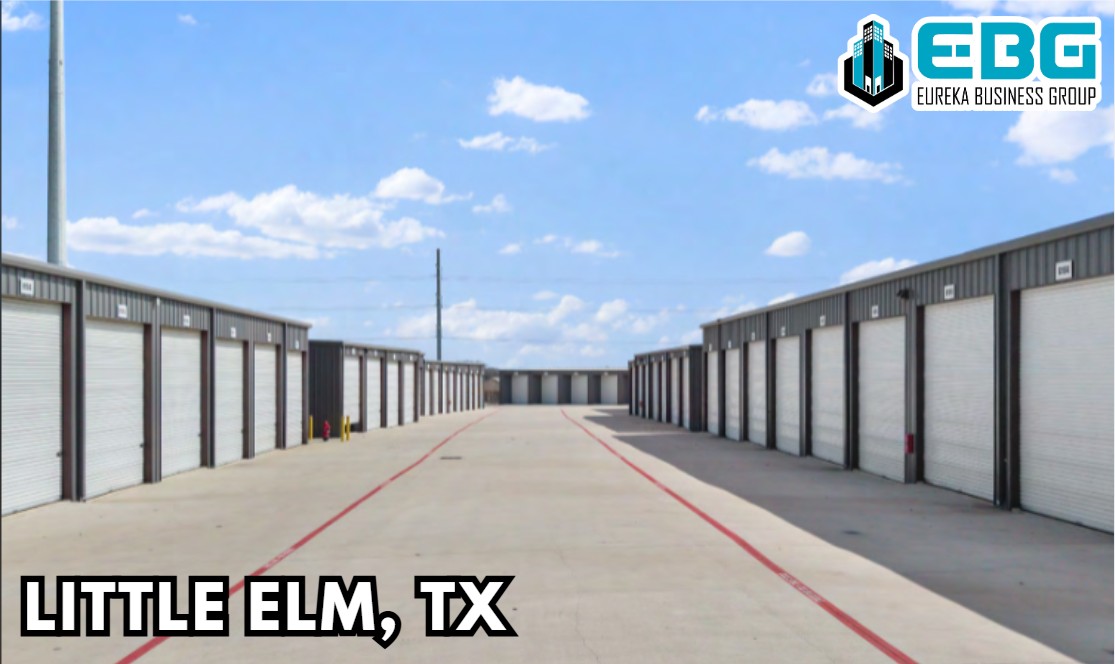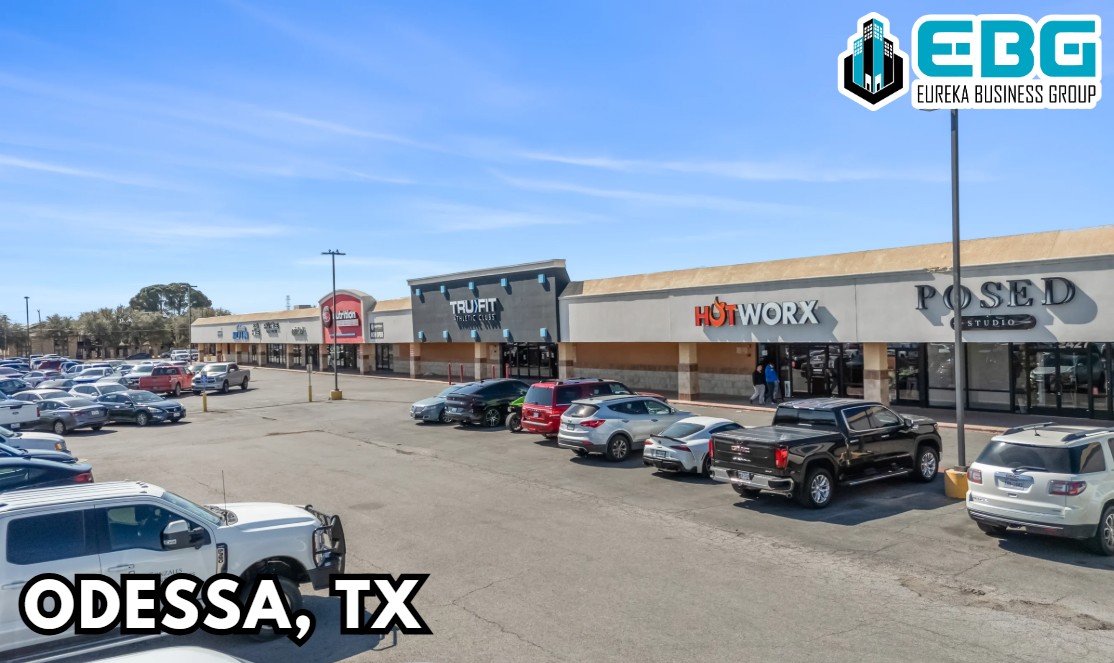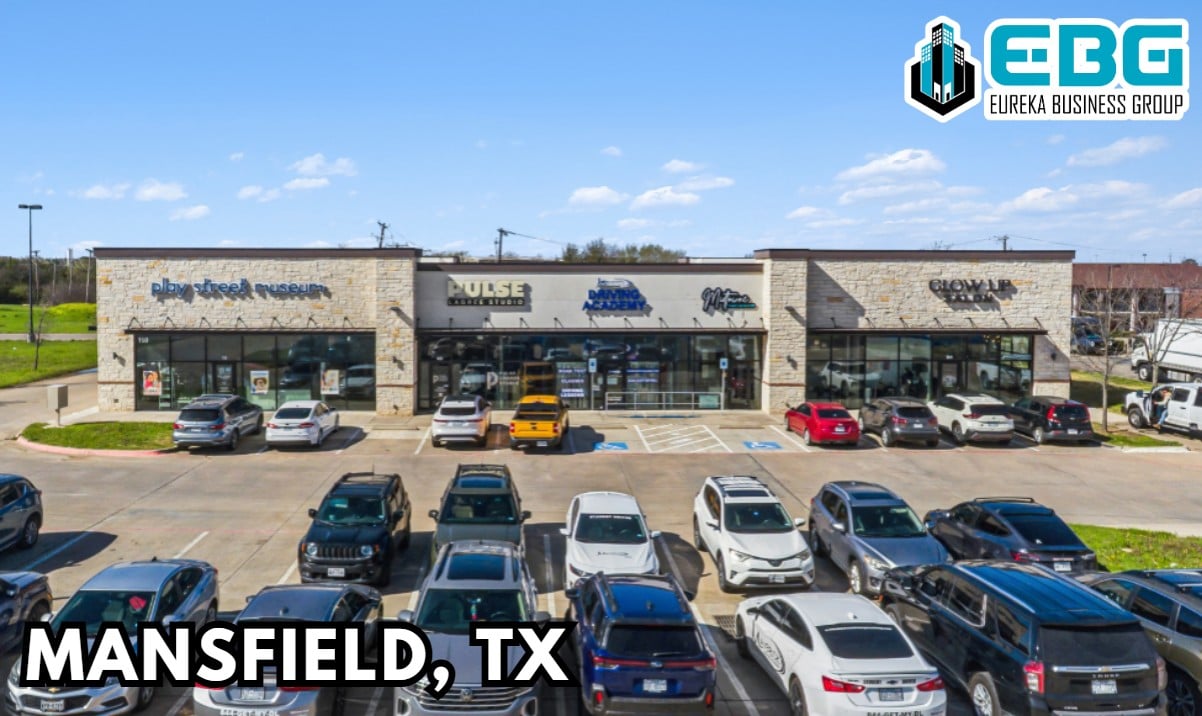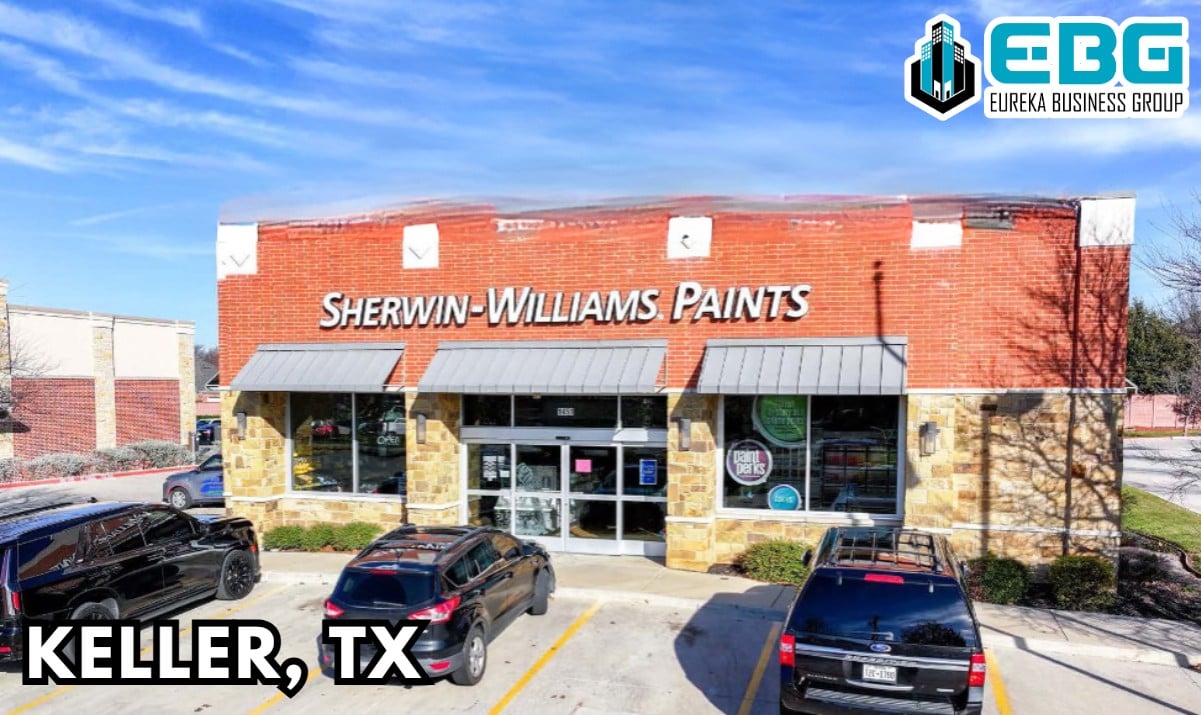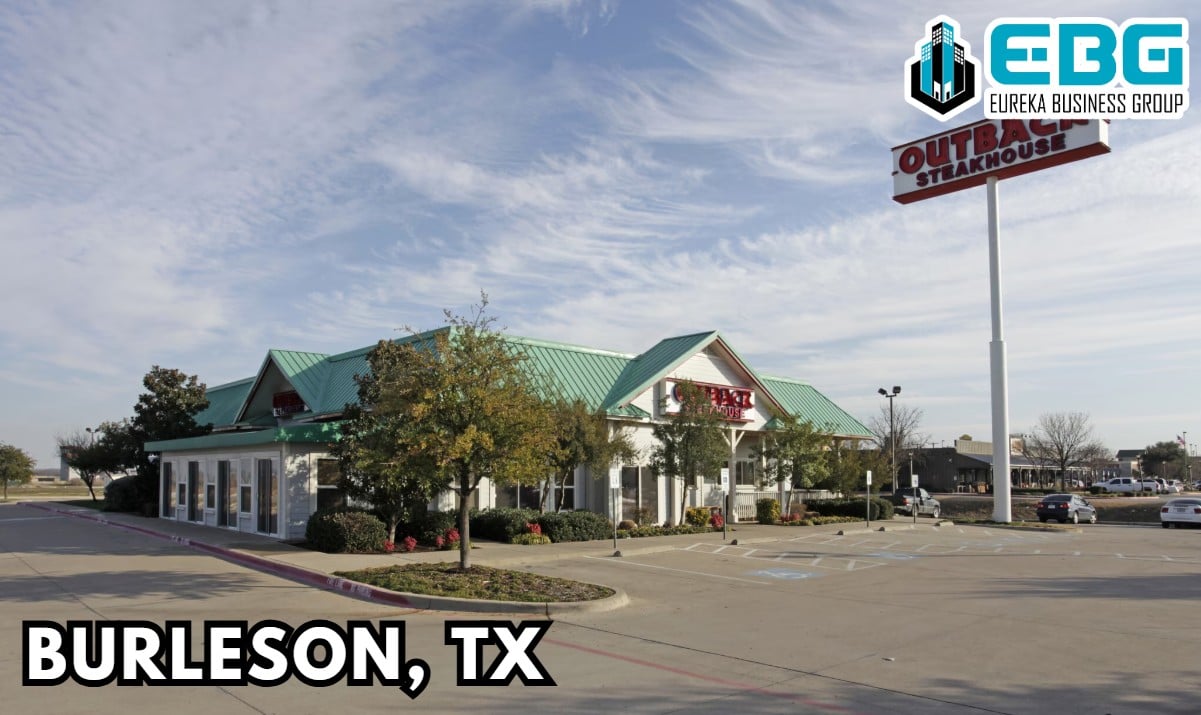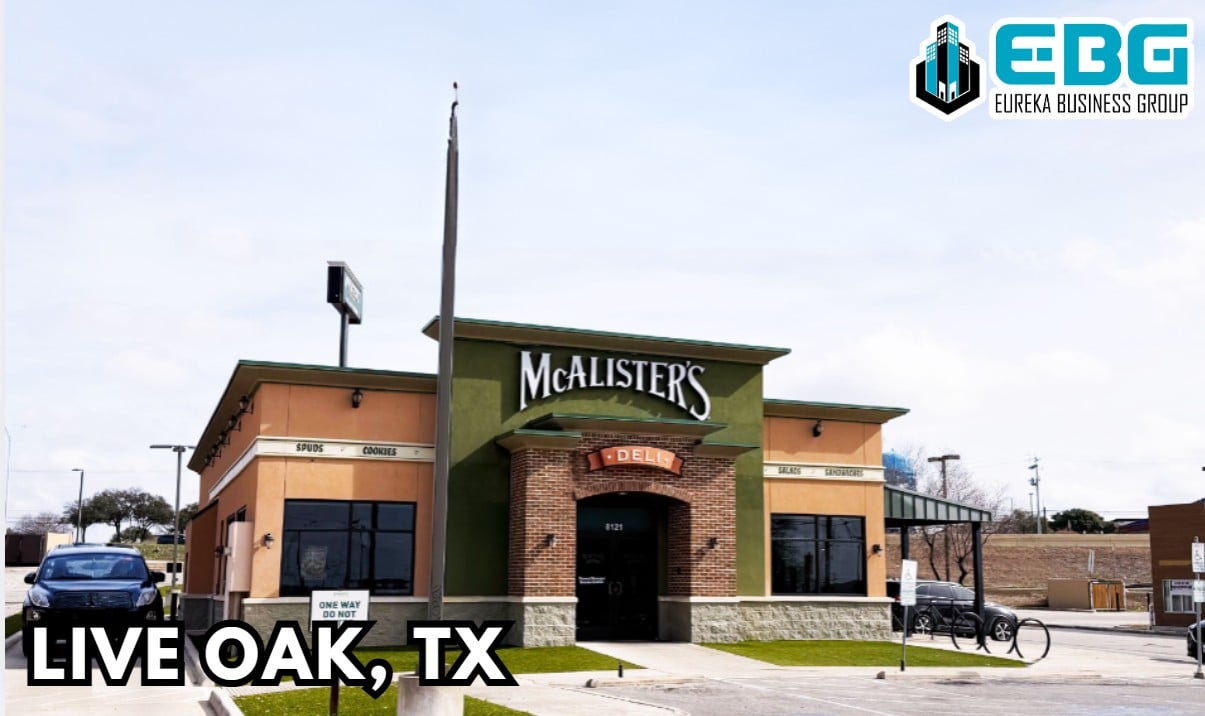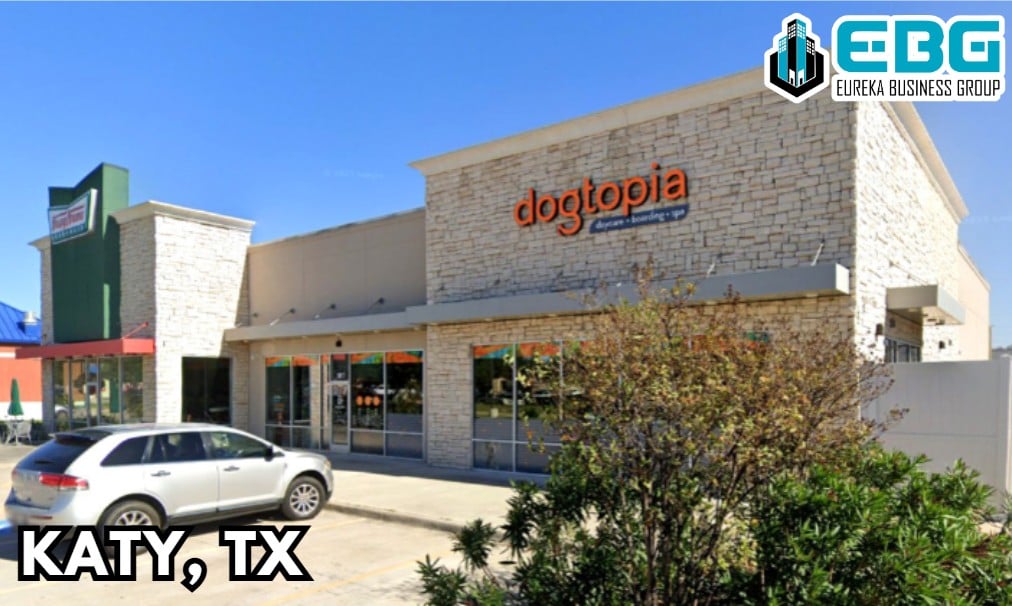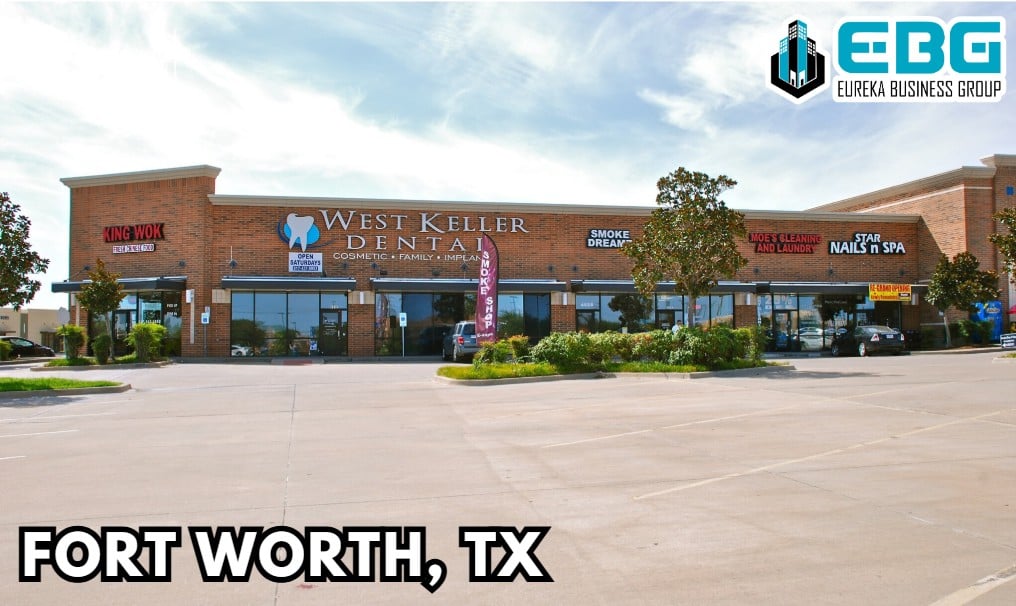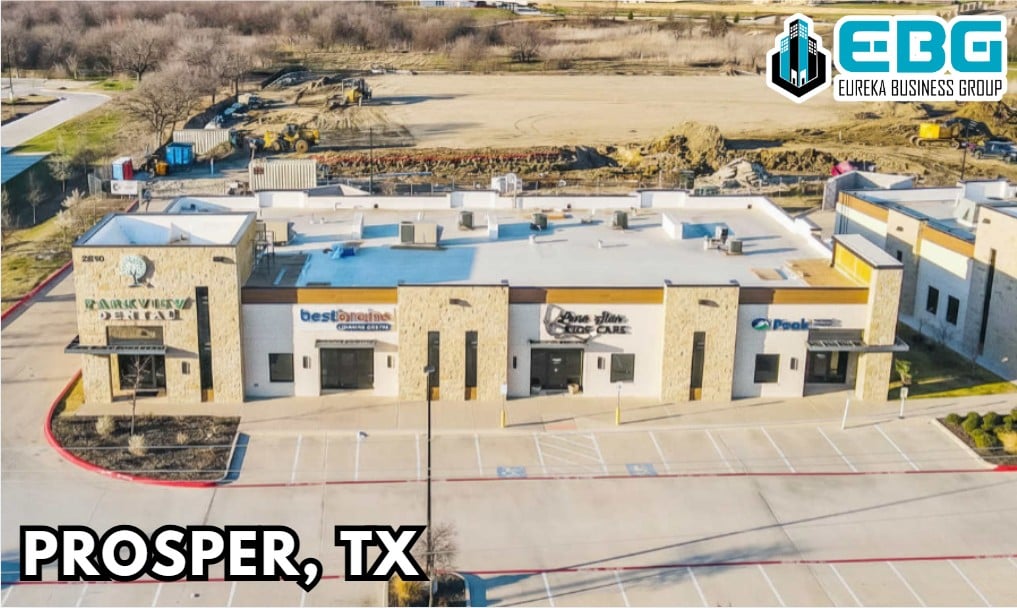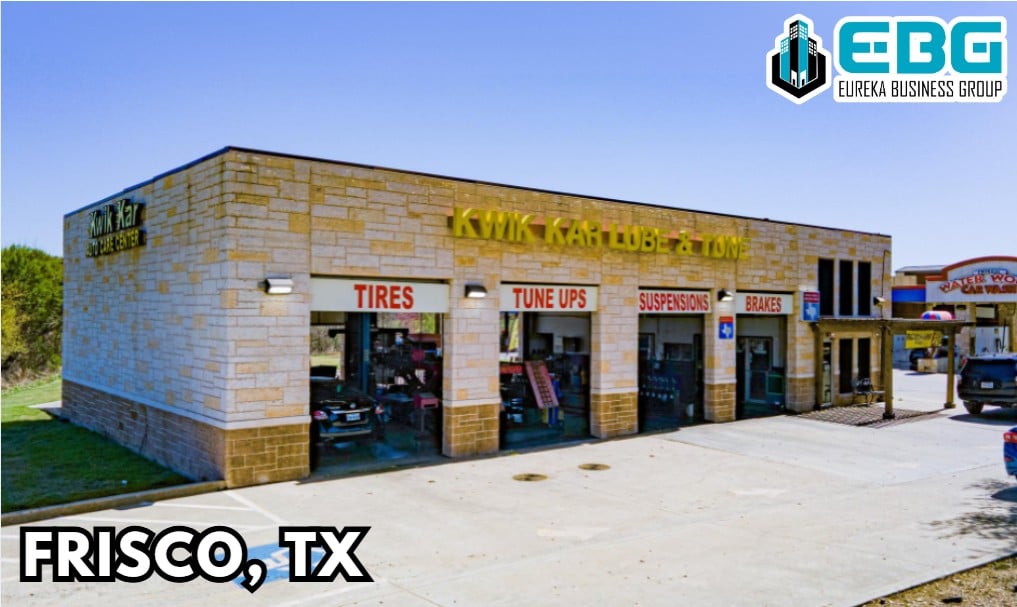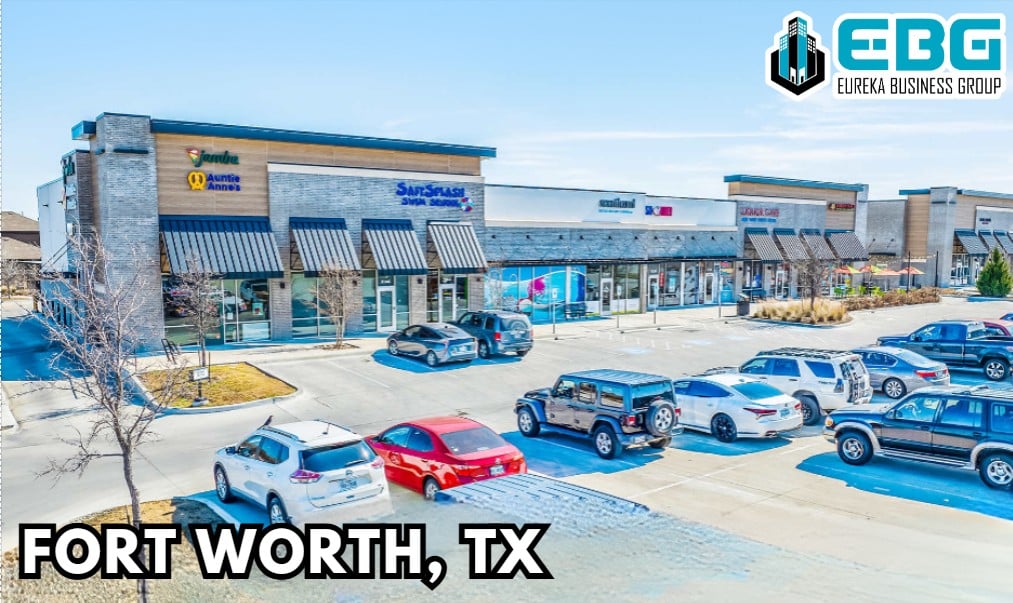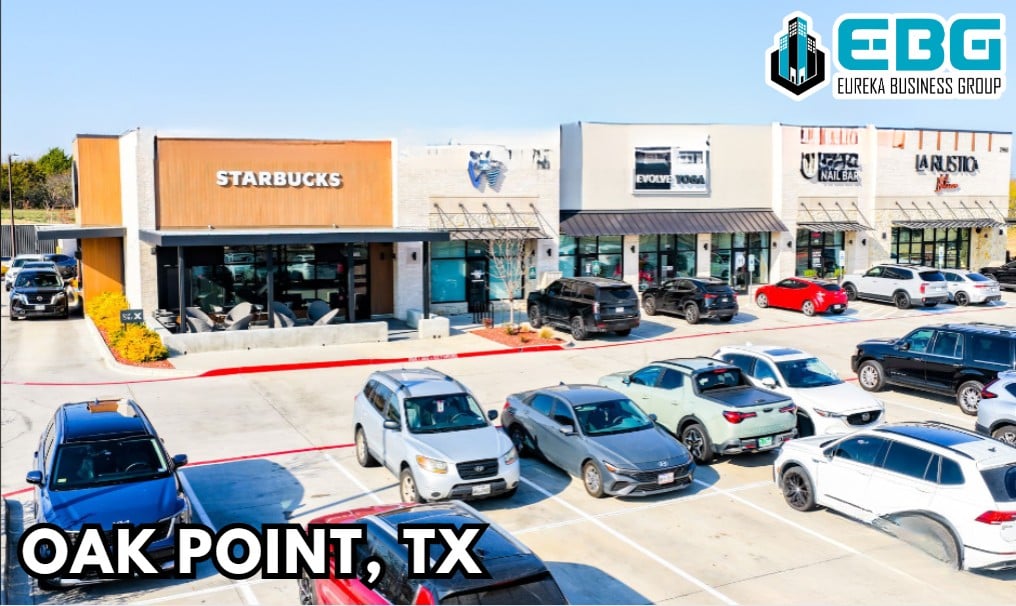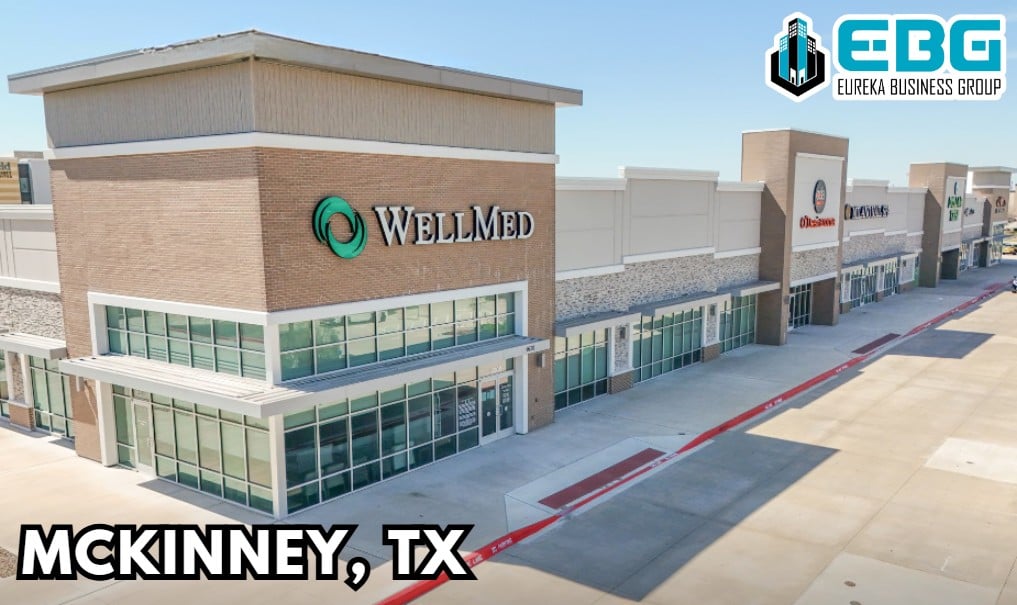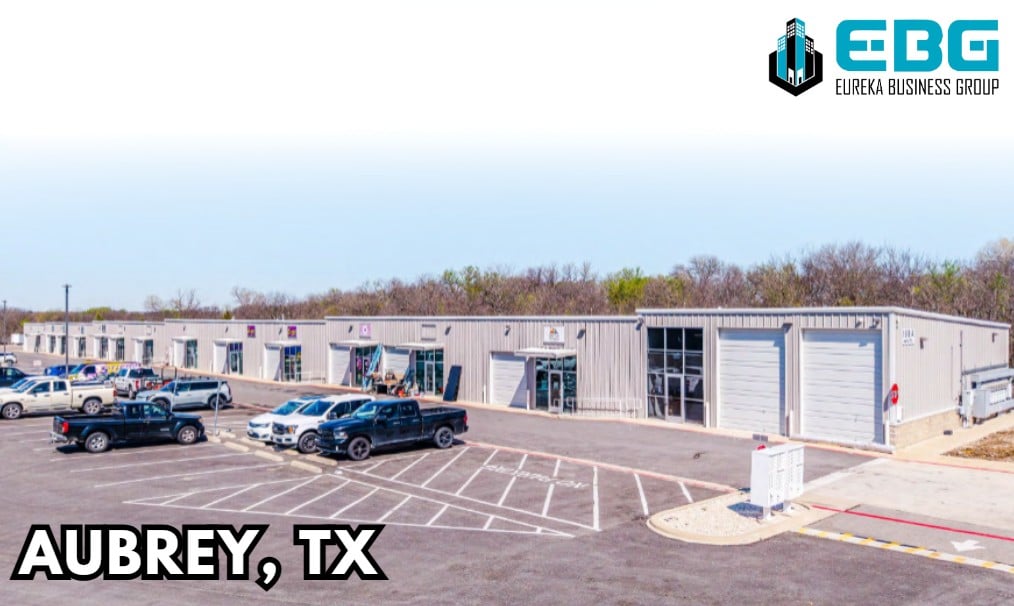

EBG Listings of The Week 01-24-2026

EBG Listings of The Week

January 24, 2026


Need another example that multifamily asset class is hurting?

I just came across a property posted on CoStar, it’s a 2 story apartment building in a downtown zoning (flexible) that was converted FROM apartments TO offices! They are selling these as office condos! Well, trying to at least…

So while 3-4 years ago everyone talked about the office to apartments conversion, we’re now seeing developers going the opposite?

Hmmm…

What do you think? New trend or bold experiment?!


Regardless, as we do every week, we took time and reviewed all the commercial listings that came on the market and curated this hand-picked list representing the top opportunities we identified as the best value.

If you wanted to keep up to date on retail real estate news, we have a LinkedIn Newsletter you can subscribe to.


Did you know you can LISTEN to this email?

Under $2M

Eureka Business Group: Your Retail Navigator; Charting the Course for Retail Growth!

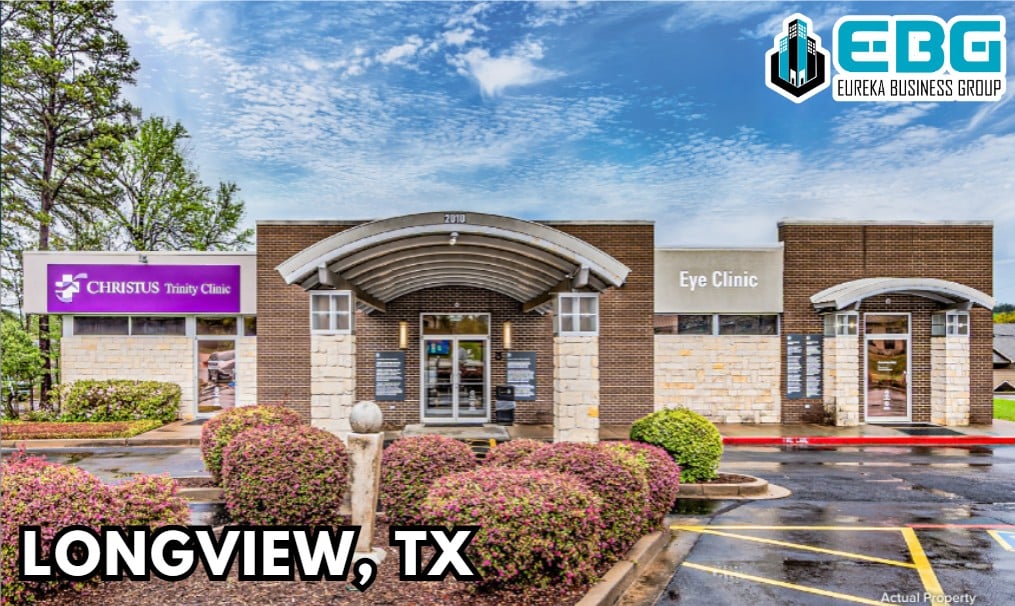
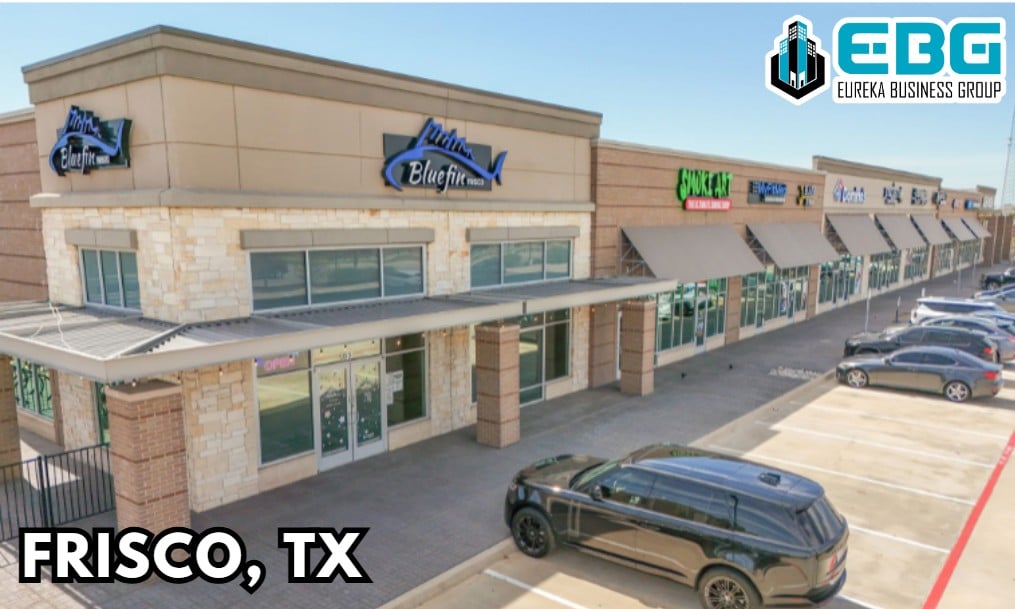
4,999 SF Medical / Office

Why we like it:

* Credit tenant: Baylor Scott & White
* 3.25 years remaining + 3x 5-year options
* New roof (2025) + HVAC replaced

Eureka Business Group: Your Retail Navigator; Charting the Course for Retail Growth!

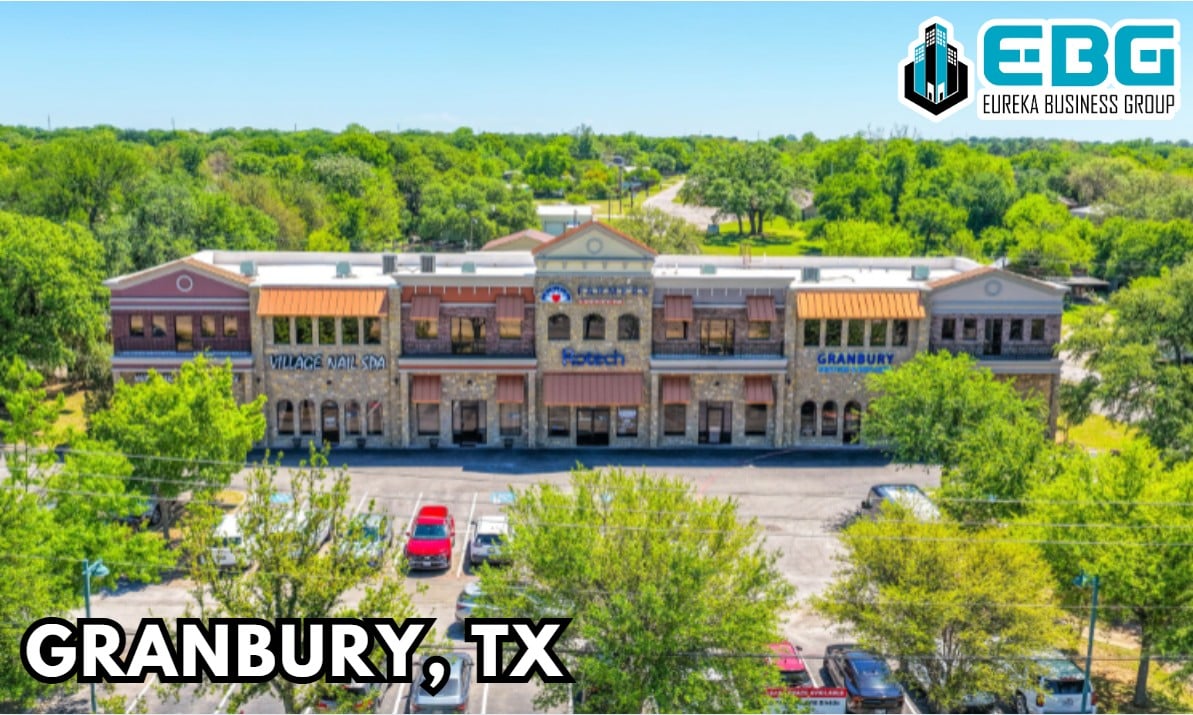
2,900 Medical/Office

Why we like it:

* Two combined units
* Can lease part or all
* Selling well Below county assessed value!
* Owner financing available
* Exclusive EBG Listing

Eureka Business Group: Your Retail Navigator; Charting the Course for Retail Growth!

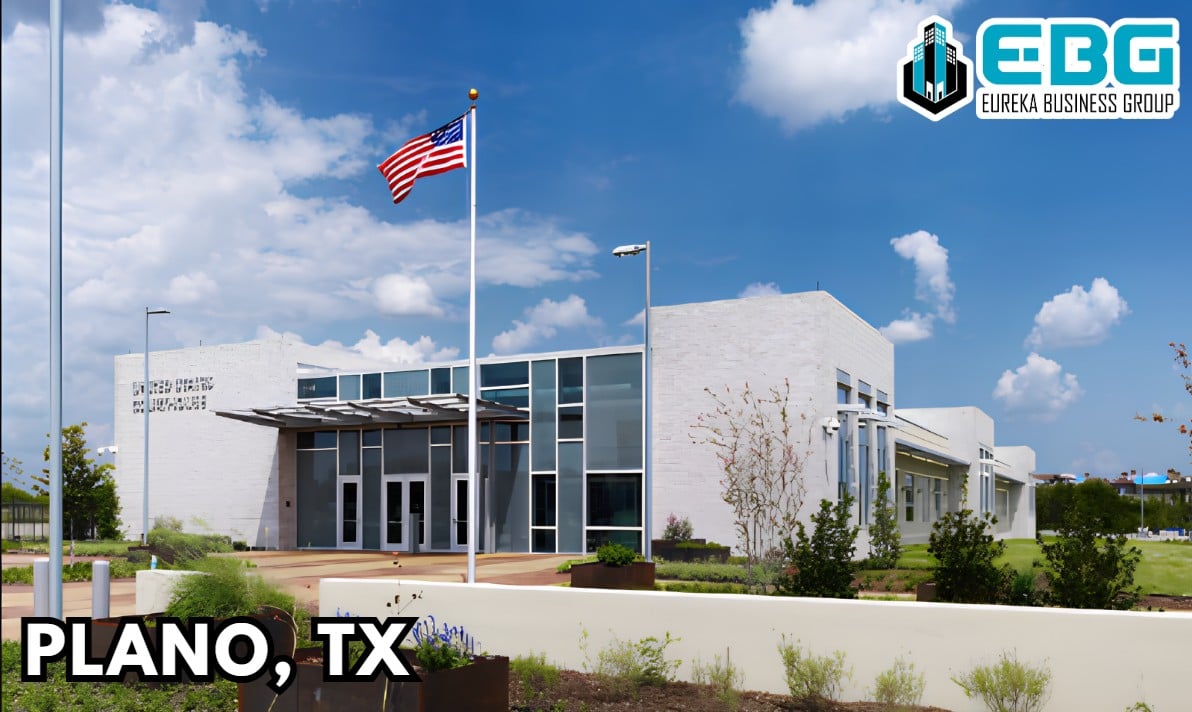
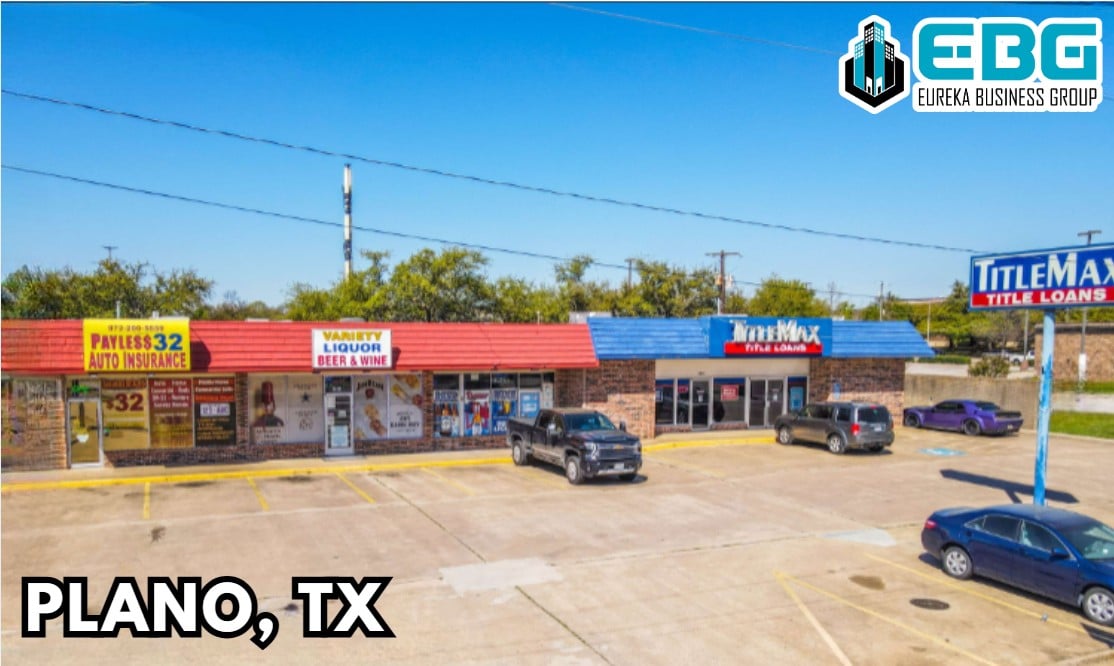
756 SF Medical/Office

Why we like it:

* Prime West Plano location near Willow Bend
* Ideal size for individual medical or professional user
* Surrounded by established retail, office, and medical uses
* Very(!) affluent demographics with high household incomes
* Exclusive EBG Listing

Eureka Business Group: Your Retail Navigator; Charting the Course for Retail Growth!

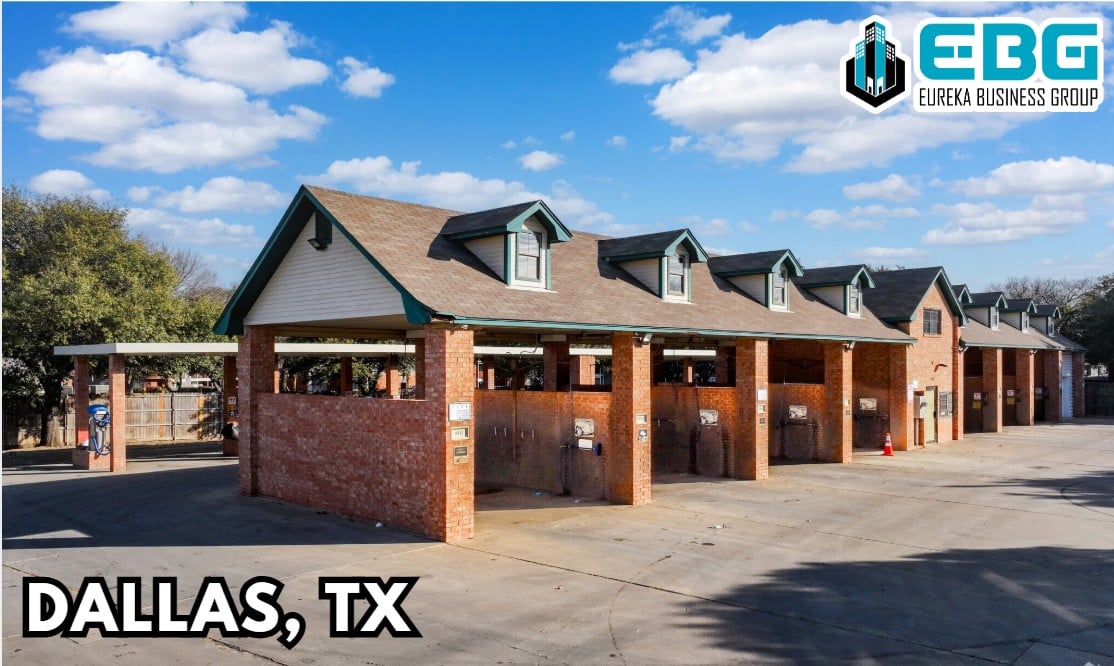
18,775 SF Self-Storage
>>OFF-MARKET<<

Why we like it:

* Value add opportunity
* No new competing supply within 5-mile radius
* Expansion upside with additional land and pad-ready space

$2M-$5M

Eureka Business Group: Your Retail Navigator; Charting the Course for Retail Growth!

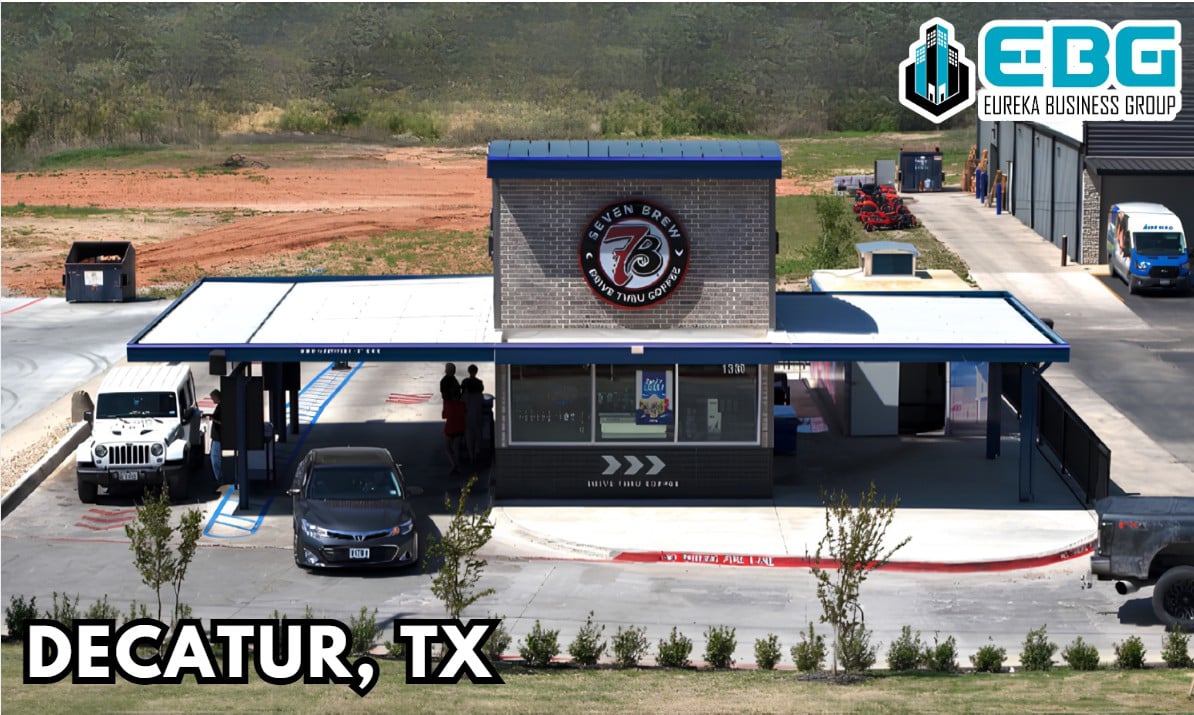
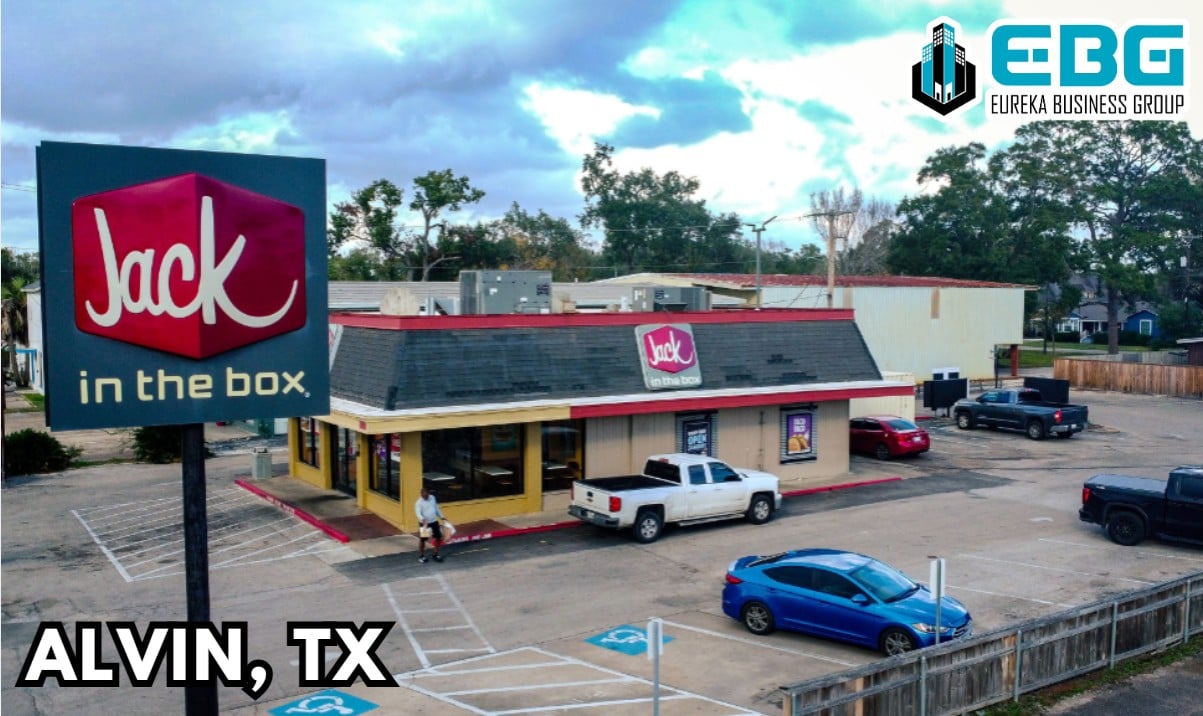
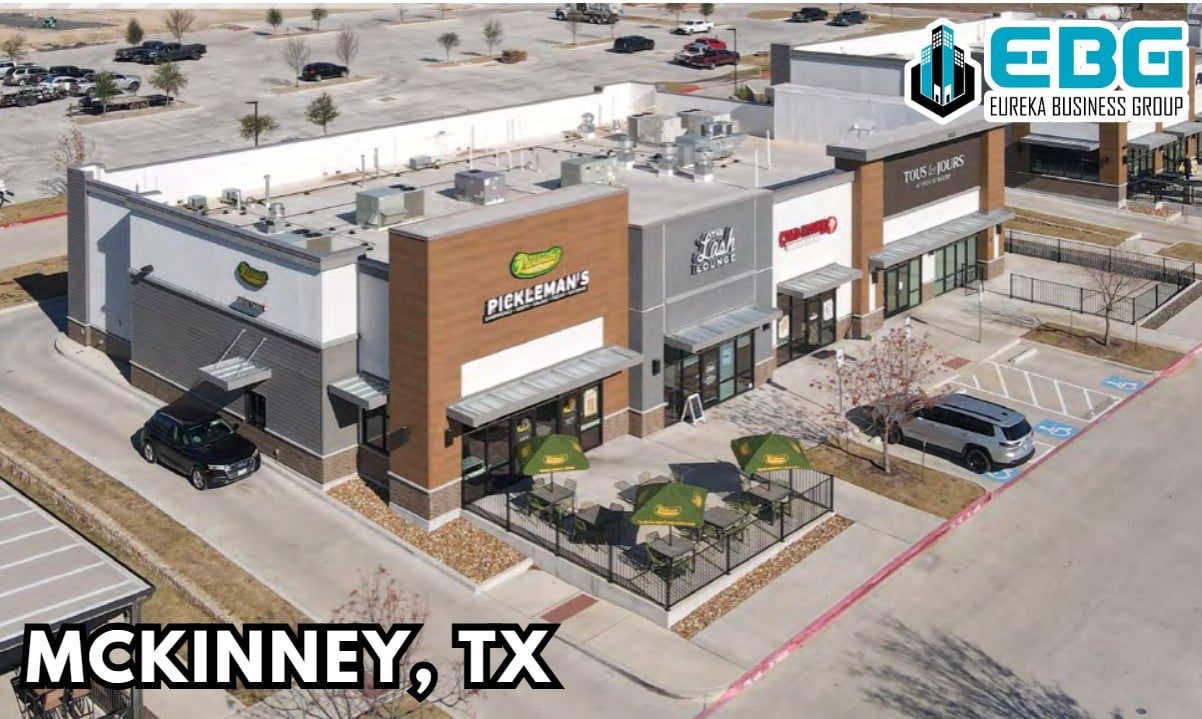
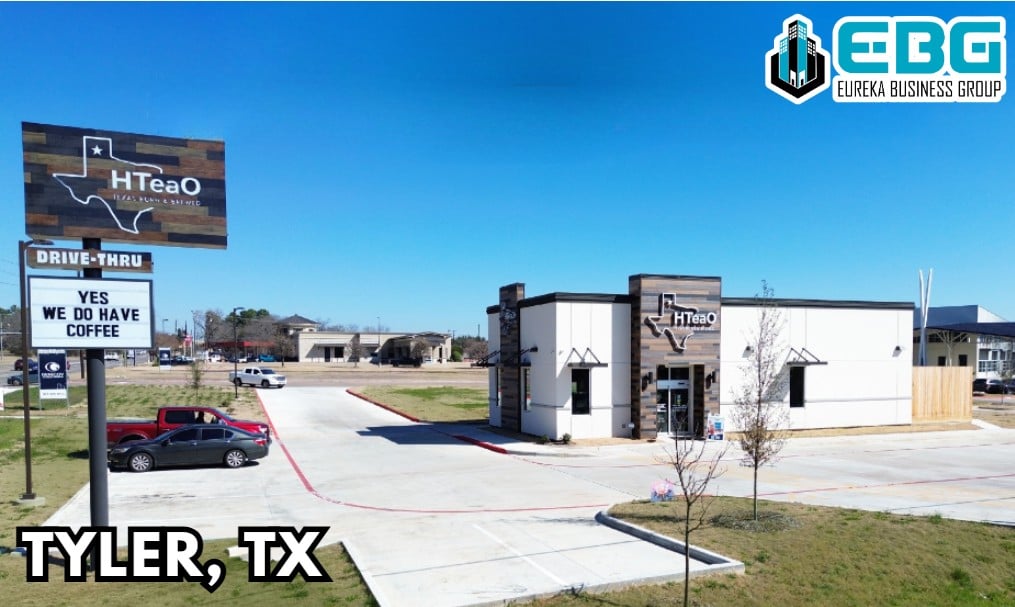
2,600 SF Single Tenant Retail

Why we like it:

* 15-year corporate ground lease
* Zero landlord responsibilities
* 49,800+ VPD on Belt Line Rd
* New 2026 construction with drive-thru

Eureka Business Group: Your Retail Navigator; Charting the Course for Retail Growth!

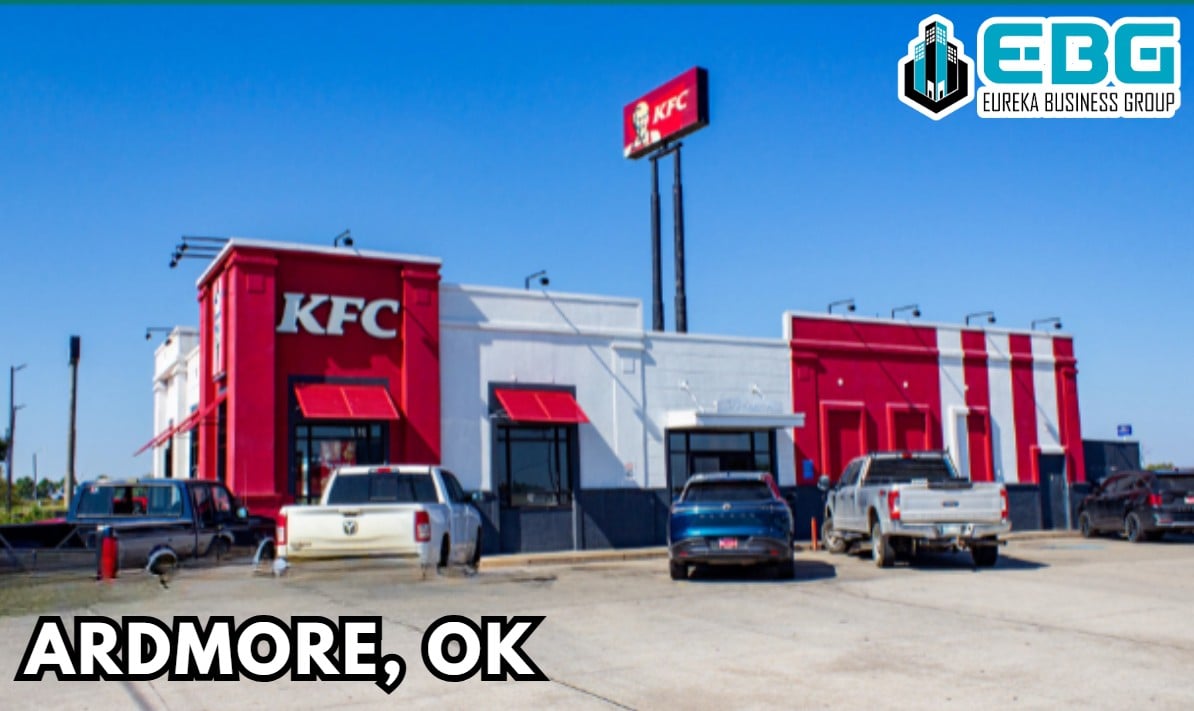
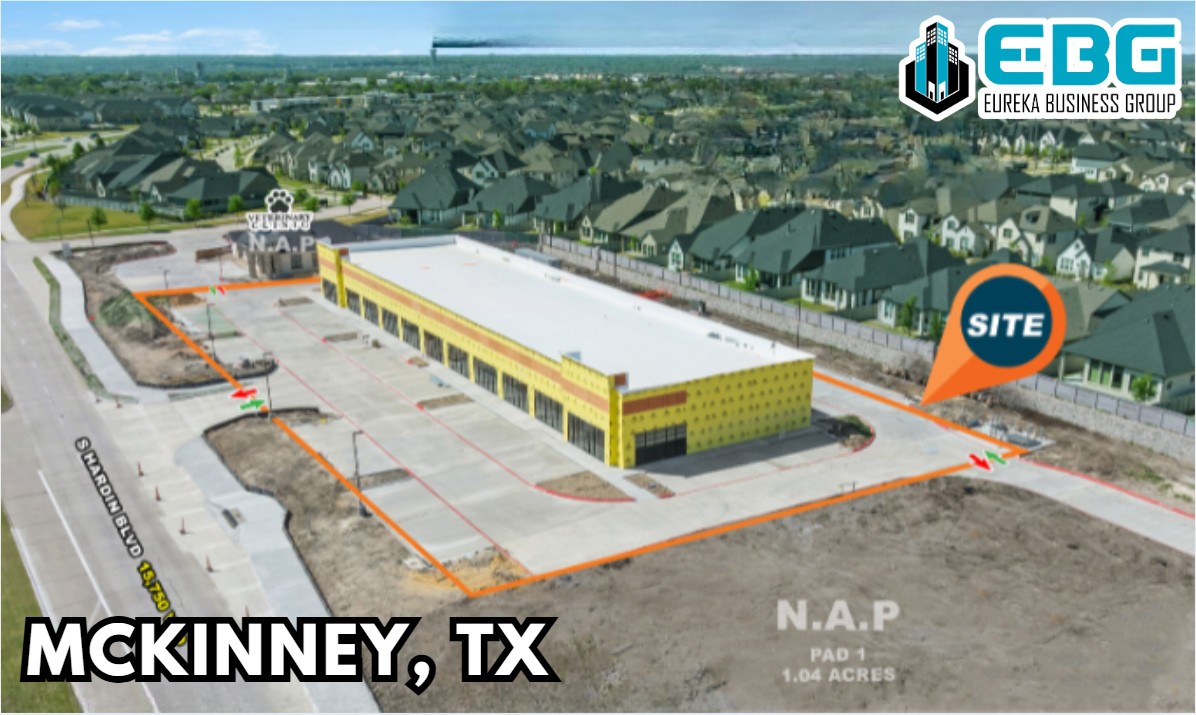
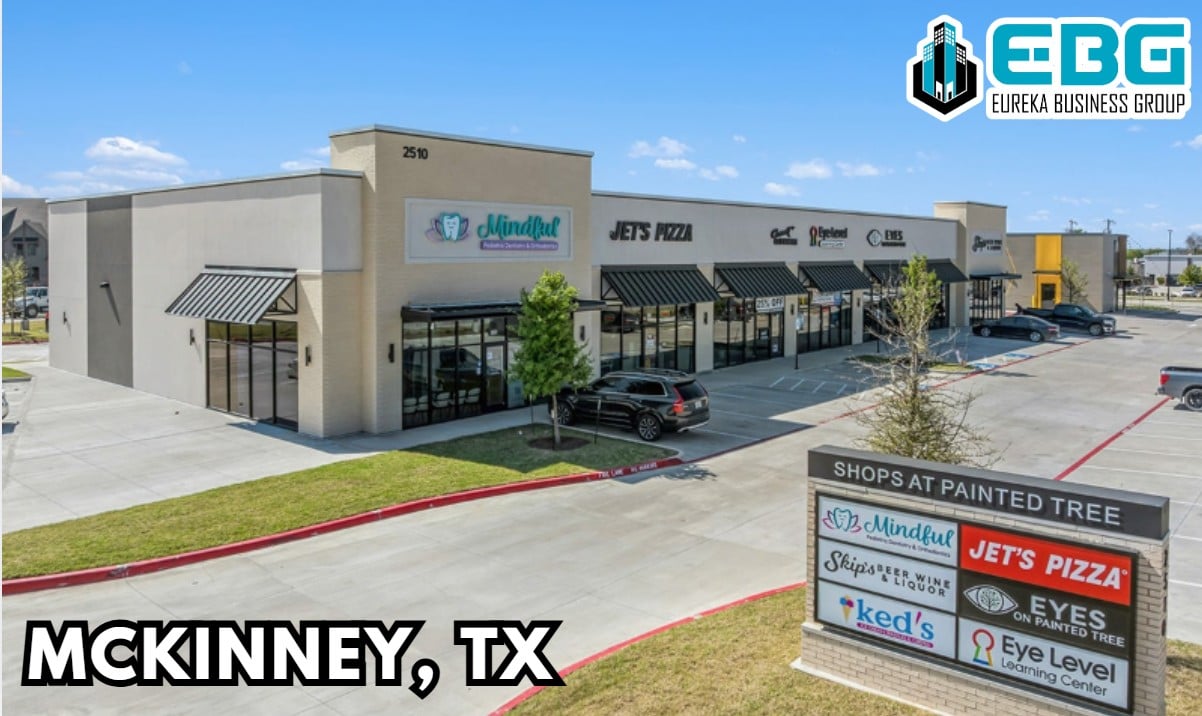
3,100 SF Single Tenant Retail

Why we like it:

* Brand-new 15-year absolute NNN lease
* Strong franchise operator with 45+ unit pipeline
* 38,000+ VPD on US-380

Eureka Business Group: Your Retail Navigator; Charting the Course for Retail Growth!

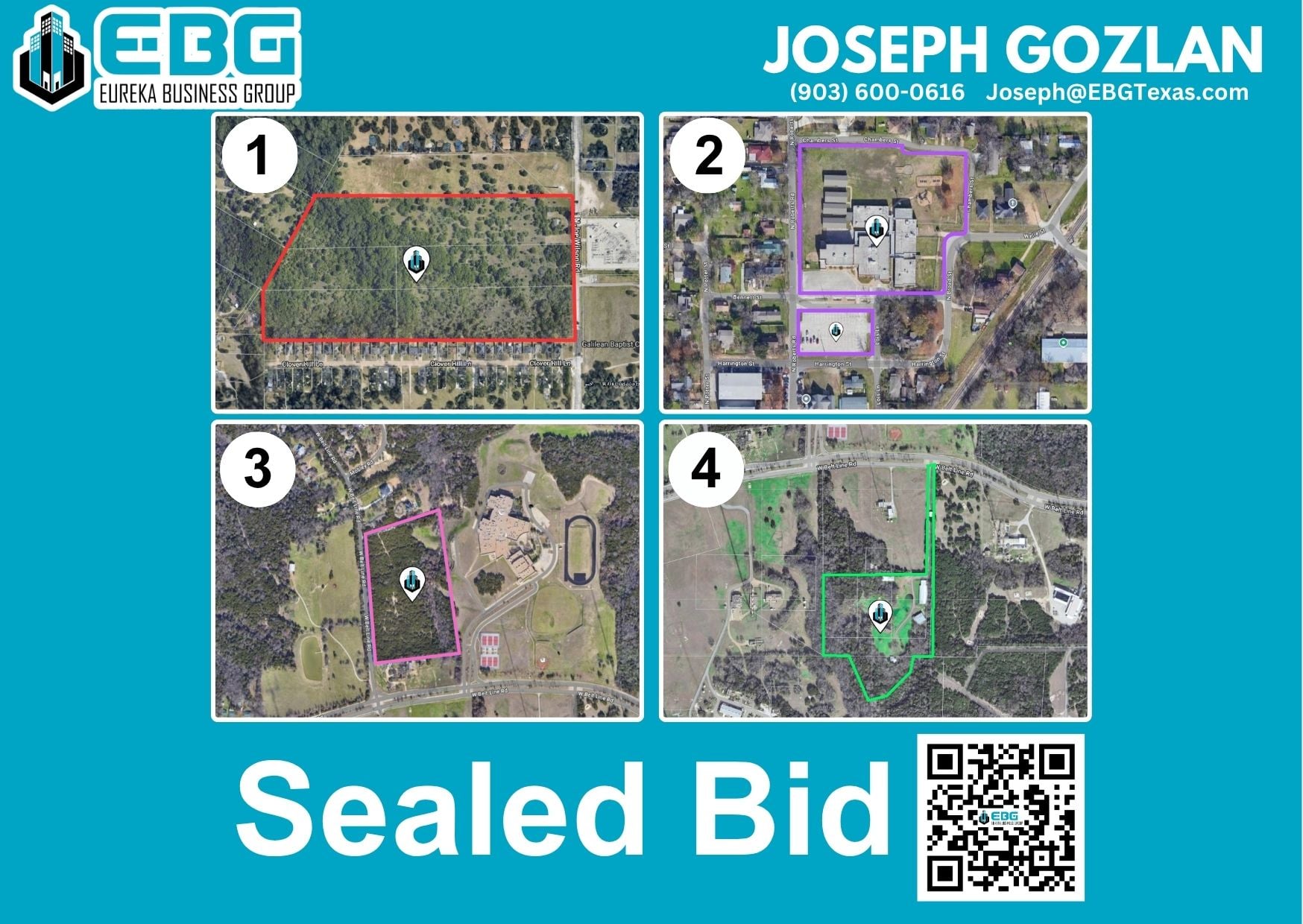
37.807 AC Residential Land

Why we like it:

* CHISD Asset Sale
* Sealed Bid Opportunity
* Zoned Residential
* Exclusive EBG Listing

Eureka Business Group: Your Retail Navigator; Charting the Course for Retail Growth!

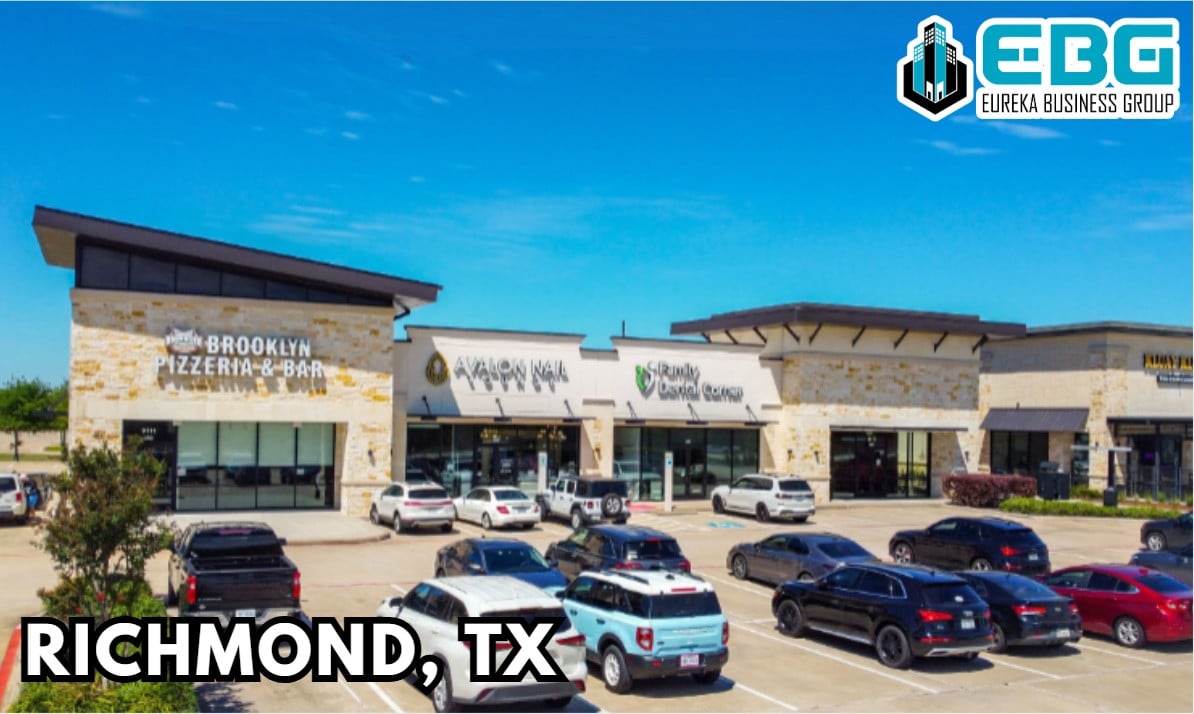
6,000 SF Retail Center

Why we like it:

* 100% leased
* Built in 2019 
* Adjacent to 170-acre mixed-use project: The Station
* High-income demographics: $130K+ HH income

$5M-$10M

Eureka Business Group: Your Retail Navigator; Charting the Course for Retail Growth!

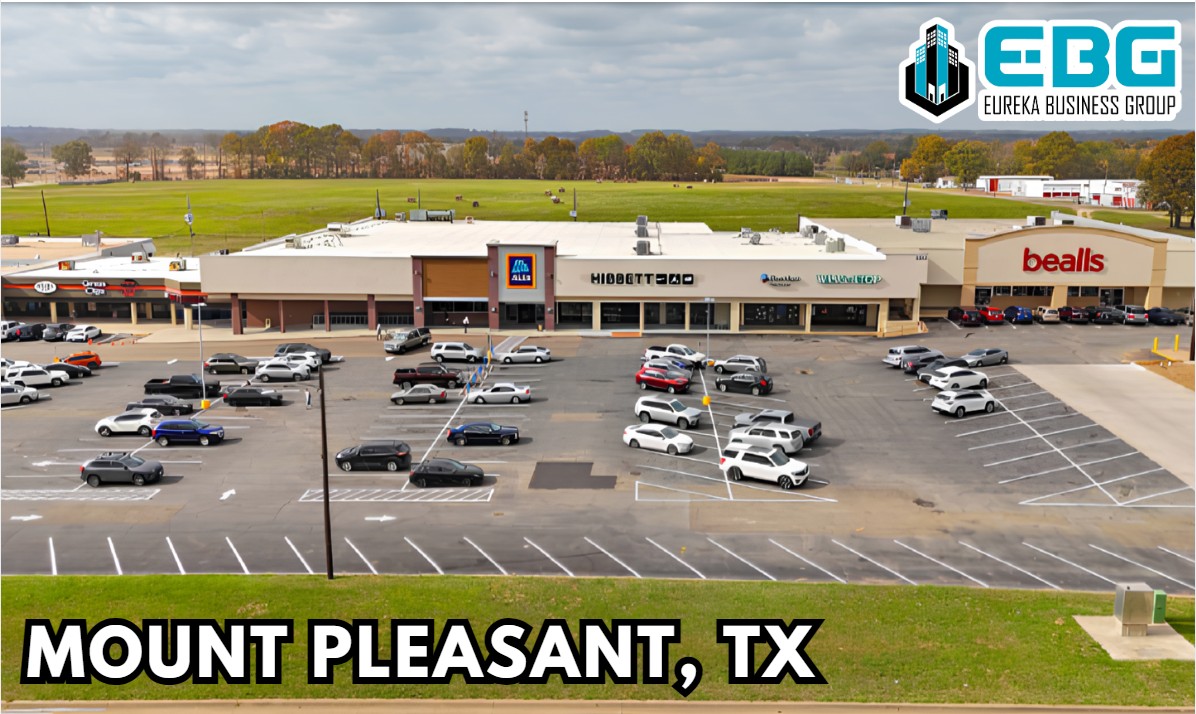
64,789 SF Grocery-Anchored Retail Center

Why we like it:

* Aldi grocery anchored
* 100% leased, national tenants
* 7.00% cap rate
* Dominant retail hub for 5-county trade area

$10M plus

Eureka Business Group: Your Retail Navigator; Charting the Course for Retail Growth!

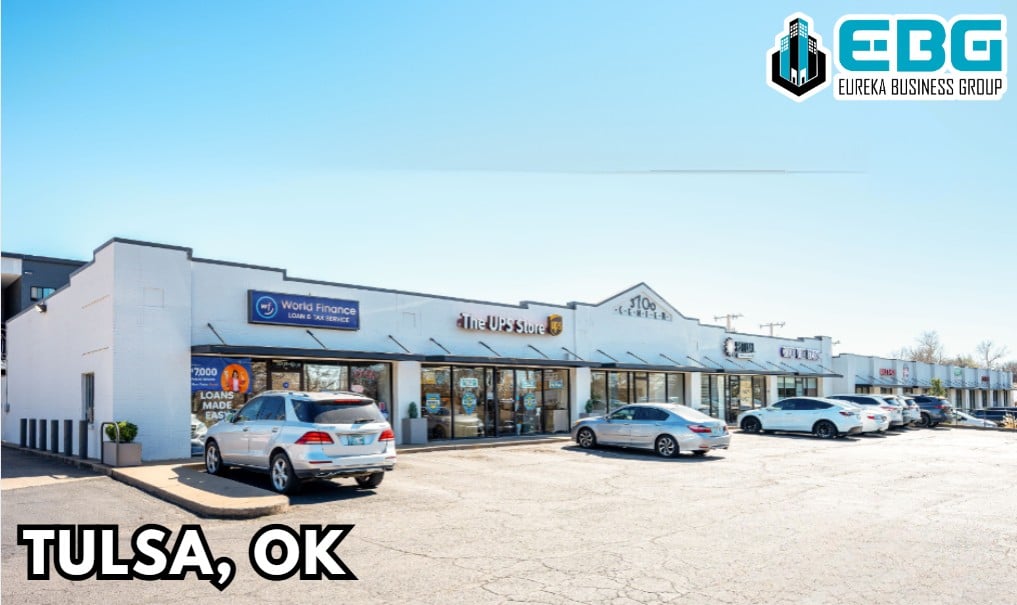
16,553 SF Retail Center

Why we like it:

* 100% leased
*Strong tenant mix
* In-place rent escalations
* Affluent trade area ($190K+ avg HH income)
* 40,300+ VPD

Eureka Business Group: Your Retail Navigator; Charting the Course for Retail Growth!

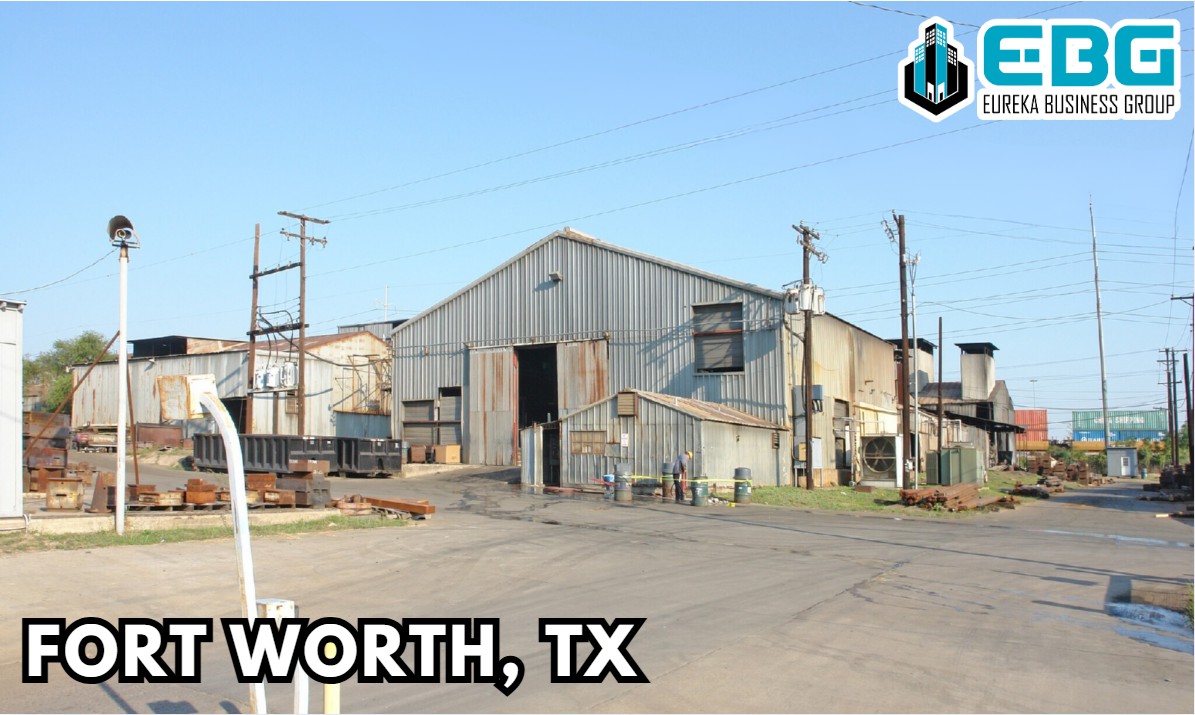
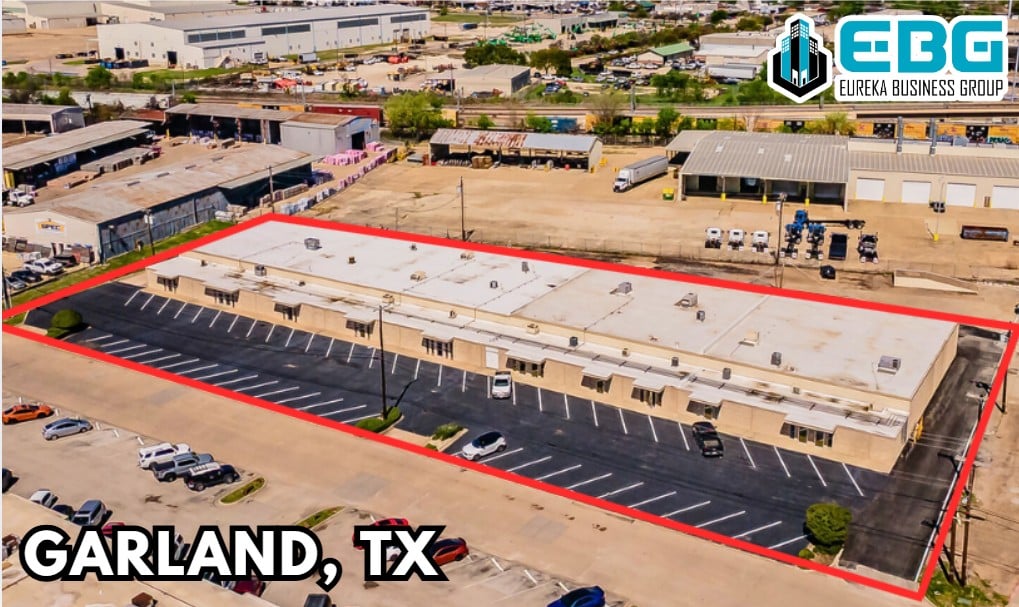
85,214 SF Flex / Industrial

Why we like it:

* Mission-critical American Airlines facility (76% of SF)
*100% leased with corporate-credit tenants
* 7% cap rate on in-place NOI
* Long-term tenancy: AA (29 yrs) + Concentra (19 yrs)

Eureka Business Group: Your Retail Navigator; Charting the Course for Retail Growth!

CRE News 01/23/2026

Listen to this week’s hottest Commercial Real Estate News on our podcast

Listen Now

Featured Listing: CHISD Assets

Eureka Business Group: Your Retail Navigator; Charting the Course for Retail Growth!

Joseph Gozlan, Managing Principal

Eureka Business Group

joseph@ebgtexas.com

(903) 600-0616

About Us

Eureka Business Group: Your Retail Navigator; Charting the Course for Retail Growth!

Established in 2008, Eureka Business Group is a full-service commercial real estate brokerage. We specialize in guiding retail investors, retail leaders, franchisees, and business owners through the complexities of retail commercial real estate in the Dallas-Fort Worth market. Whether you’re a seasoned investor, a franchisee ready to expand, or a first-time tenant, we provide expert solutions tailored to your unique goals.

Read More…

Eureka Business Group: Your Retail Navigator in DFW Commercial Real Estate

Sign Up Here

Be the first to learn about lucrative commercial real estate investment opportunities in the DFW market pre-vetted by our CRE experts!

Eureka Business Group​ | DFW Retail Investment and Capital Markets Advisors
Read More

Commercial Real Estate News – Week of January 23, 2026

Commercial Real Estate News – Week of January 23, 2026

Click below to listen: 

Transcript:

 I was looking at the financial headlines this morning with my coffee and I have to be honest, I felt like I needed a flow chart just to figure out what is actually happening in the economy right now. It is a messy start to 2026, isn’t it? The signals are just all over the place. Messy is putting it lightly.

Look at this on one screen I’m reading that the retail apocalypse is officially dead, right? We just hit a trillion dollars in holiday spending. People are buying things like there’s no tomorrow. But then you look at the other screen and it’s a bloodbath. Household names are shuttering hundreds and hundreds of stores.

It feels like we’re living in two different timelines at the same time. Exactly, and usually when you see that kind of contradiction, record spending at the exact same time as record closures, it means the headline numbers are hiding something massive. For sure. So that’s what I wanna do today. I wanna separate the noise from the actual signal.

We are looking at the state of commercial real estate in early 2026, and specifically we need to look at why the average creates such a false picture. Because if you’re a retailer in a dying mall in the Midwest, this is a recession. No question, but if you’re a landlord in Dallas-Fort Worth, it feels like the boom times are just getting started.

That is the focus we’re gonna unpack the resilience of retail, the absolute juggernaut that is the Texas economy, but people are calling y’all street. And then we have to take a hard look at the macro picture. We do. We need to talk about interest rates and this this maturity wall that everyone is whispering about.

It is a lot to cover, and it’s worth noting right up front that this deep dive is powered by the team at Eureka Business Group, right? They’re the authority on the ground for commercial real estate and DFW and frankly, with how confusing this market is with that split recovery we just mentioned. Having a guide like Eureka who really specializes in retail is well, it’s critical.

You need someone who knows the street corners, not just the spreadsheets. That’s it. Exactly. So let’s get into those spreadsheets first. I mentioned the trillion dollars You did. Walk me through this because inflation is still a thing. Is that trillion dollar number, is it real growth or is it just that a carton of eggs costs more now?

It’s a bit of both, but there is real volume there. For the first time ever, US holiday sales for that November December period passed the $1 trillion mark a trillion dollars. According to the National Retail Federation and CoStar, data sales grew about 4.1% year over year. Okay? 4.1% is decent, but again, if inflation is hovering near 3%, that’s barely breaking even in real terms, that’s true.

But look at what they bought. The biggest winner was clothing and accessories, which saw gains topping 6%. Oh, that’s interesting. It tells us something about consumer psychology. People aren’t just buying milk and eggs, they’re refreshing their wardrobes. They’re preparing to be out in the world. So the consumer is active, they’re active, but they’re extremely picky, and that is where the whole retail paradox comes in.

Okay. So if people are buying clothes, again, going back to the office, how do you explain the other side of the ledger? We’ve got GameStop closing nearly 470 stores. We have Macy’s closing another one 50 if the consumer is so confident. Why are these legacy brands collapsing? This is the classic K shaped recovery, playing out in real time.

The middle is just disappearing. Okay? If you look at the winners, it’s extremely telling. On one end, you have the deep value players. Ollie’s Bargain Outlet saw traffic jump almost 21%. Wow, 21%. Ross dress for less is up almost 10%, so people are hunting for deals aggressively. Consumer has money, but they feel squeezed by, three years of inflation.

So they’re trading down for goods, but, and this is the fascinating part, they’re not trading down on experience. Which brings us to the headline in the stack that I actually thought was a typo. TGI, Friday, PDI, Fridays. Didn’t they just file for chapter 11 bankruptcy And now I’m seeing they wanna open, what was it?

600 new restaurants, 600 by 2030, who is lending them money? That sounds completely insane on the surface. It does. Until you look at where they’re opening. This isn’t about putting another Fridays in a suburban strip mall in Ohio where the brand is, tired. This is a global play. A global play. Why?

’cause in many international markets, the brand still carries this sort of Americana prestige that has faded here at home. It’s a brand reset, it’s a brand reset, and frankly, it’s a bet that dining out is still something people fundamentally crave. Even if they can order. Uber Eats, humans are social animals.

We wanna go somewhere. So they’re exporting the brand to places where it’s still considered cool. That is a bold strategy. It is. But speaking of international strategy, there’s another entrant to the US market that highlights this shift perfectly. Viver, I know them. That’s the website where I buy cheap tools and like kitchen equipment.

I didn’t know they had stores. They didn’t. Until now, they’re a Chinese home improvement brand that has been purely e-commerce. Okay. But they just opened their first ever US brick and mortar store. And the location they chose tells you everything you need to know about the current real estate map.

Let me guess. Not New York. Not New York, not Los Angeles. They chose Houston, Texas, a 32,000 square foot flagship. Why Houston? It’s a strategic master stroke. First, Houston is a port city, so the logistics for a Chinese importer are streamlined, but more importantly, it signals where the growth is, right? You don’t launch a massive physical retail experiment in a shrinking market.

You go where the housing starts are, you go where the contractors are, and right now. That is Texas. It signals confidence. It’s not just shipping from a warehouse. They want a showroom. Exactly. And it proves that retail isn’t dead. It’s just changing hands. The old guard, the department stores, they’re molting, and these new digitally native brands are moving in to fill the void.

So if the department stores are molting, does that mean the malls are finally dead? Because dead malls has been a YouTube genre for what, five years now? Contrary to popular belief, the mall isn’t dead. The bad mall is dead. Investors are actually buying malls again. There were 50 mall deals in 2025, which is the third highest total in 20 years.

Who is buying them? Groups like Simon Property Group and listen to this, Simon is boasting 96.4% occupancy. 96% That is higher than some apartment buildings. It’s not about dead malls anymore. It’s about evolution. The Class A malls, the ones that have evolved into mixed use destinations, they’re thriving, they’re replacing the dead Sears with gyms, entertainment, and better dining.

Okay, let’s go back to that Ville store in Houston, because that brings us to our second big bucket, the Texas juggernaut for the second year in a row, Dallas-Fort Worth has been named the number one real estate market to watch. It has. I feel like we hear this every year. Texas is growing. But is it just because land is cheap or is something else happening?

It used to be because land was cheap. Yeah, that’s changing. The biggest driver right now is what the industry is calling y’all street. Y’all Street. I love that it’s catchy, but it represents a massive structural shift in the US economy. The financial migration to DFW is accelerating. You have the Texas Stock Exchange set to launch in 2026.

You have Goldman Sachs, Wells Fargo, and Morgan Stanley all looking for or building massive spaces in uptown and the legacy area. So this isn’t just about companies moving their headquarters for a tax break. This is the financial infrastructure of the country moving south precisely. And that brings high income earners, but there is another piece of data.

That explains why retail specifically is doing so well in Texas compared to, say, New York or San Francisco and what’s that? Office attendance. Ah, the return to office battle. I assume Texas is winning that one. It’s not much of a battle here anymore. Castle Systems data shows that Texas cities are absolutely crushing the national average.

Austin is at 76.6% of pre pandemic attendance. Dallas is at 66.6%. Houston is at 64.2%, and compared to the traditional financial hub, New York is lagging at 60.1%. Chicago is even lower. So let’s unpack why that matters for retail, because I think people disconnect those two things. They are completely connected.

If you’re a retailer or a restaurant owner. Those percentage points are your lifeblood. That’s your lunch crowd. That’s your lunch crowd. That’s your happy hour traffic. That is the person popping into a shop on their way home. Density drives retail. If the office towers in Dallas are two thirds full, that ecosystem works.

If they’re half empty, the ground floor retail stars. That explains why the construction cranes are everywhere. In DFWI was looking at the forecast. DFW has the most retail space under construction in the entire state, and here’s the economics lesson. Usually when you have record supply, when you build that much, rents drop right supply and demand 1 0 1.

But in DFW, the rent growth forecast is 3%. That’s higher than the statewide average of 2.5%. Demand is out piecing the concrete trucks. Let’s talk about some specific deals, because this is where the Eureka connection really makes sense. It’s not just downtown skyscrapers. It’s happening in the suburbs too, right?

Look at the Shivers Farm project in Southlake. Southlake is already a very affluent area. It is, but this is a massive mixed use project that’s gonna bring the area’s first specialty groc. When we say specialty grocer, we’re usually talking about the high-end brands that drive massive foot traffic. A specialty grocer usually keeps property values nice and high in the surrounding neighborhood.

It does. It anchors the asset but it’s not just the prime suburbs. Look at Dunhill Partners. They just acquired two grocery anchored centers, but not in Dallas proper. They bought in Lubbock. Brownwood, that is really out there. Why would a major investor go to Brownwood? Because they’re chasing yield and safety.

These are fully occupied centers with tenants like TJ Maxx and Aldi. They’re betting on steady cash flow in markets that aren’t as volatile. It shows the Texas miracle isn’t just limited to the Dallas City limits. It’s radiating outward. So Texas is booming. Holiday spending is up, malls are adapting. It sounds like a party, but I have to be the skeptic for a second.

We have to talk about the macro picture because there are some storm clouds on the rise and right there are, and the biggest one is affectionately known as the maturity wall. It sounds ominous. How big of a wall are we talking about? $936 billion. Almost a trillion dollars. Again, it’s the theme of the episode.

So $936 billion in commercial real estate loans are maturing in 2026. That’s right. So for the listener who isn’t refreshing Bloomberg terminals all day, can we break down why this is such a specific danger right now? Sure. Think of it this way. Imagine you bought a building five years ago with a teaser rate of say 3%.

Your monthly payment is manageable, you’re happy. Sure. But in commercial real estate, those loans aren’t 30 year fixed mortgages. They’re usually five or 10 year terms. And the term is up, the term is up, the bill is due. You have to go get a new loan to pay off the old one. But now the bank says, great, we can lend to you, but the rate is 6.5%.

Oh, suddenly your monthly payment doubles. Your tenants aren’t paying double the rent. Oh. So math just breaks. The math breaks completely. And traditionally you would just sell the building, but who wants to buy a building that doesn’t make money? That’s the crisis. And to make it worse, the regional banks who usually lend on these deals are terrified.

They’re pulling back. So if the banks are out, who steps in? I saw a note here about private credit and something called CACA is fascinating. It stands for Commercial Property Assessed Clean Energy. That sounds like a government rebate program. Not alone. It started that way. Yeah, but it has morphed into a lifeline.

Here’s how it works. Yeah. Say you need $20 million to finish a hotel like the Rio in Vegas, which just use this to close a massive $176 million deal. Okay? The bank won’t give it to you, so you go to a CPAs lender, they give you the money for energy upgrades, HVAC, windows, that kind of thing, right? But here’s the trick.

You don’t pay it back like a mortgage. You pay it back as a line item on your property tax bill. Wait, so it’s attached to the taxes? Yes, and because taxes get paid before the mortgage in a bankruptcy, the C PACE lender is at the very top of the food chain. They’re super safe, and because of that safety, they’re willing to lend.

When banks aren’t, it’s like hacking the hierarchy of who gets paid. We call it the capital stack. Think of a building’s funding like a lasagna. C Pace manages to squeeze itself right onto the top layer. It’s becoming the only way to get deals done in this high rate environment. That is wild. So we are innovating our way out of the credit crunch, but even if you can get the money, can you actually build anything?

I’m looking at these labor numbers, 350,000 open construction jobs. That is the other headwind. We’re not just short on cash. We’re short on bodies. And it’s not just because people don’t wanna work, it’s because the competition has changed. How so if you’re an electrician in Dallas, are you gonna wire a retail strip mall, or are you gonna go work on that massive new AI data center where the semiconductor plant that pays 40% more?

So the AI boom is actually poaching labor from the retail sector. It is cannibalizing the skill trades, yeah, which drives up the cost of construction. And if it costs more to build. Landlords have to charge higher rents to make a profit. It’s a cycle that keeps inflation sticky, as the Fed likes to say, which brings us full circle to inflation.

I saw it hovering around 2.7%. That’s still above the Fed’s target, isn’t it? It is. The target is 2% and the stubborn part, the sticky part is shelter costs, rents, so the Fed is holding steady. And interestingly, even though they cut short term rates last year, the 10 year treasury yield, which drives mortgage rates.

Has actually risen. So the market is saying, we don’t believe inflation is gone yet. Precisely. The market is betting that high costs are here to stay for a while. Okay, let’s try to synthesize all of this. We’ve covered a lot of ground. We have a trillion dollars in holiday spending, but GameStop is closing.

We have DFW booming as y’all street, but we have a trillion dollar loan wall hitting the market. What’s the so what for our listener? I think there are three main takeaways. First, retail isn’t dying, but it is bifurcating. It’s splitting into value. The Ross and S and premium experience. If you are stuck in the middle, if you’re in the middle selling boring products, in a boring box, you are in trouble.

The middle is the kill zone. Okay, number two, second. Geography matters more than ever. If you own retail in DFW or Texas, generally you are insulated from a lot of these national headwinds. The migration and the return to office culture are providing a safety net that New York or San Francisco just don’t have right now.

And the third, the capital markets are falling, but they’re different. The banks are out. Private credit is in, if you’re an investor. 2026 is gonna be the year of the refinance hustle. It will be the biggest hurdle, but for those with cash, it might be the biggest buying opportunity in a decade. I love that crisis equals opportunity.

Now, before we wrap up, I wanna leave the listener with a thought that struck me while reading about TGI Fridays and Veeva. Let’s hear it. We’re seeing TGI Friday’s expand while GameStop shrinks. Are we seeing a fundamental shift where dining out. Is becoming the new buying stuff for a generation that can buy any physical object on their phone in three seconds is the only reason to leave the house to eat or have an experience.

That’s a profound question, and I’ll add one more to that. As Texas builds its own stock exchange and y’all street becomes a reality, how long until DFW pricing matches the coastal cities it’s replacing? When does the affordability advantage? Just evaporate. Ooh, that is the billion dollar question for the next decade.

That is all we have time for today. A huge thank you to Eureka Business Group for powering this deep dive. If you need to navigate the DFW retail landscape, you know who to call. Until next time, keep watching the trend lines, not just the headlines. Thanks for listening, everyone.

** News Sources: CoStar Group 
Read More

EBG Listings of The Week 01-17-2026

EBG Listings of The Week

January 17, 2026


Check out this week’s video about the first of 9 trends we predict will dominate retail real estate in 2026!

As we do every week, we took time and reviewed all the commercial listings that came on the market and curated this hand-picked list representing the top opportunities we identified as the best value.

If you wanted to keep up to date on retail real estate news, we have a LinkedIn Newsletter you can subscribe to.


Did you know you can LISTEN to this email?

Under $2M

Eureka Business Group: Your Retail Navigator; Charting the Course for Retail Growth!

10,000 SF Self-Storage Facility

Why we like it:

* Newly built 2024
* 100% leased
* Highway 34 frontage

Eureka Business Group: Your Retail Navigator; Charting the Course for Retail Growth!

18,775 SF Self-Storage
>>OFF-MARKET<<

Why we like it:

* Value add opportunity
* No new competing supply within 5-mile radius
* Expansion upside with additional land and pad-ready space

Eureka Business Group: Your Retail Navigator; Charting the Course for Retail Growth!

756 SF Medical/Office

Why we like it:

* Prime West Plano location near Willow Bend
* Ideal size for individual medical or professional user
* Surrounded by established retail, office, and medical uses
* Very(!) affluent demographics with high household incomes
* Exclusive EBG Listing

Eureka Business Group: Your Retail Navigator; Charting the Course for Retail Growth!

2,900 Medical/Office

Why we like it:

* Two combined units
* Can lease part or all
* Selling well Below county assessed value!
* Owner financing available
* Exclusive EBG Listing

Eureka Business Group: Your Retail Navigator; Charting the Course for Retail Growth!

2.20 AC Mixed Use Land

Why we like it:

*Mixed-use zoning

* 320′ Gus Thomasson frontage
* Up to 84 apartments + retail possible
* City supports corridor redevelopment efforts
* Owner financing available

* Exclusive EBG Listing

$2M-$5M

Eureka Business Group: Your Retail Navigator; Charting the Course for Retail Growth!

5,043 SF Single Tenant Retail

Why we like it:

* Absolute NNN
* Zero landlord responsibilities
* 16+ years remaining term
* Annual increases
* Prime Preston Rd location

Eureka Business Group: Your Retail Navigator; Charting the Course for Retail Growth!

10,388 SF Single Tenant Retail

Why we like it:

* Brand-new 2025 construction
* 15-year absolute NNN lease
* National, credit-backed tenant
* Massive traffic on US-75

Eureka Business Group: Your Retail Navigator; Charting the Course for Retail Growth!

41,000 SF Industrial Park

Why we like it:

* Strong value-add
* Rents ~65% below market
* Short-term leases allow fast mark-to-market
* $2M+ recent capital improvements

Eureka Business Group: Your Retail Navigator; Charting the Course for Retail Growth!

4,608 SF Single Tenant Retail

Why we like it:

* Absolute NNN l
* Zero landlord responsibility
* 9 years remaining
* Strong local operator
* 7.25% cap rate
* Recent roof & HVAC

Eureka Business Group: Your Retail Navigator; Charting the Course for Retail Growth!

7,720 SF Single Tenant Retail

Why we like it:

* 15-year NNN lease
* Established regional tenant
* New 2025 construction
* Strong retail corridor at I-20 & Hwy 80
* Located in one of the fastest-growing counties in Texas

Eureka Business Group: Your Retail Navigator; Charting the Course for Retail Growth!

37.807 AC Residential Land

Why we like it:

* CHISD Asset Sale
* Sealed Bid Opportunity
* Zoned Residential
* Exclusive EBG Listing

$5M-$10M

Eureka Business Group: Your Retail Navigator; Charting the Course for Retail Growth!

11,000 SF Retail Center

Why we like it:

* Grocery-anchored
* 100% leased with long-term NNN leases
* High-growth Ellis County location

Eureka Business Group: Your Retail Navigator; Charting the Course for Retail Growth!

9,233 SF Retail Center A

Why we like it:

* Medical, retail & QSR tenants
* NNN leases with rent bumps
* New construction
* Superior Preston rd. Location!

Eureka Business Group: Your Retail Navigator; Charting the Course for Retail Growth!

8,500 SF Retail Center B

Why we like it:

* Medical, retail & QSR tenants
* NNN leases with rent bumps
* New construction
* Superior Preston rd. Location!


Eureka Business Group: Your Retail Navigator; Charting the Course for Retail Growth!

10,611 SF Retail Center C

Why we like it:

* Medical, retail & QSR tenants
* NNN leases with rent bumps
* New construction
* Superior Preston rd. Location!


Eureka Business Group: Your Retail Navigator; Charting the Course for Retail Growth!

CRE News 01/16/2026

Listen to this week’s hottest Commercial Real Estate News on our podcast

Listen Now

Featured Video

Eureka Business Group: Your Retail Navigator; Charting the Course for Retail Growth!

Joseph Gozlan, Managing Principal

Eureka Business Group

joseph@ebgtexas.com

(903) 600-0616

About Us

Eureka Business Group: Your Retail Navigator; Charting the Course for Retail Growth!

Established in 2008, Eureka Business Group is a full-service commercial real estate brokerage. We specialize in guiding retail investors, retail leaders, franchisees, and business owners through the complexities of retail commercial real estate in the Dallas-Fort Worth market. Whether you’re a seasoned investor, a franchisee ready to expand, or a first-time tenant, we provide expert solutions tailored to your unique goals.

Read More…

Eureka Business Group: Your Retail Navigator in DFW Commercial Real Estate

Sign Up Here

Be the first to learn about lucrative commercial real estate investment opportunities in the DFW market pre-vetted by our CRE experts!

Eureka Business Group​ | DFW Retail Investment and Capital Markets Advisors
Read More

Commercial Real Estate News – Week of January 16, 2026

Commercial Real Estate News – Week of January 16, 2026

Click below to listen: 

Transcript:

 Welcome back to the Deep Dive. This week we are jumping right into the very volatile world of commercial real estate news from January, 2026. We’re focusing in on the retail sector specifically. Exactly. And the Texas market, which is it’s always dynamic. It really is, and our mission today is to try and cut through what feels like a fundamental contradiction in the market.

It really does seem that way on the surface. On one hand, you’ve got real pain. High profile bankruptcies, huge anchor spaces coming back on the market, and some serious local distress in big urban centers. Then on the other hand, you have this surge of investor capital debt markets that are easing up and a record number of store openings.

How can both of those things be true? That’s the question. We need to synthesize that conflict and show you where the real opportunity is. It’s a great way to frame it because the sources are all suggesting 2026 is a quote, new chapter for cre, a new chapter. Yeah. We’re moving past that deep uncertainty of the last few years, but that opportunity, is not spread out evenly.

The biggest risk now isn’t the market collapsing, it’s just investing in the wrong type of asset or the wrong part of town. And for anyone focused on Dallas-Fort Worth. That kind of surgical knowledge is everything this year. Absolutely critical. Okay, so let’s start with the big picture, the national story around retail.

For years, all we’ve heard about is the retail apocalypse, the doom and gloom. Yeah, it felt endless, but the data we’re seeing right now, it seems to definitively bury that storyline. It does. The shift in national sentiment is powerful. JP Morgan is reporting that retail has the, strongest valuations in a decade.

In a decade. Wow. Now they are careful to exclude regional malls from that statement, which tells you a lot right there. It tells you where the strength is. Exactly. And commercial property executive just came out and said the retail apocalypse narrative is officially considered buried. And you can see that confidence in what retailers are actually doing with their physical space and their long-term plans.

Yeah. Core Site Research is tracking a really remarkable number, 11,118 planned store openings for 2026, and you have to compare that to the closures, right? Only 566 planned closures. So it’s a clear net positive. The trajectory is up. It just shows you that brands still believe a physical location is vital.

And consumer behavior is backing this up too. It is. We’re seeing data from retail stat. That shows Trip Mall foot traffic is up around 18% from pre COVID levels 18%. People want that convenience. They want quick necessity based trips. These smaller centers are just proving to be way more resilient. And you saw this play out over the holidays, right?

The data really highlights this split. It really does. Mall foot traffic actually jumped 22.6% in December. Driven by those last minute shoppers looking for value. Exactly. But contrast that with downtown retail traffic that actually slipped. It’s still 5% below where it was a year ago. So people are choosing accessibility and value over that, big destination shopping experience, especially in those dense urban cores.

What’s fascinating is how the overall health of this sector hides these huge shifts happening inside it. The market is completely bifurcated. Winners and losers, big time necessity, retail, and these open air centers are driving all the good news. While the older specialty formats are the ones creating all this vacancy, it’s like the market’s shedding dead skin.

That’s a great way to put it, and reinvesting that energy into healthier tissue. Okay, so let’s dive into the winners first, because that data is really compelling For sure. The winning categories are pretty clear, gross, anchored, and necessity based retail. It’s the boring stuff that always works, right?

First National Realty Partners confirms they’re seeing historically strong fundamentals here, record occupancy, strong rental growth, and critically very limited new construction. There’s no new competition showing up to dilute the market, and that predictability is exactly why the big money is pouring in.

It is investors are snapping up, net lease retail properties like crazy. Maybe explain net lease for our listeners really quickly. Sure. It’s basically a property where the tenant, usually a big corporate chain, pays for almost everything. Taxes, insurance, maintenance. It minimizes the landlord’s risk. And gives them a very predictable income stream, and that’s why Morgan Stanley’s head of Real Assets is calling it their highest conviction strategy.

Right now. It’s as safe a bet as you can make in CRE. We just saw a perfect example of this out in California actually. The Village Del Lomo Mall Sale. Yep. In Torrance, a great, located open air center. It’s sold for a massive $108.3 million. And the interesting part is the buyer was a 10 31 exchange buyer.

So that’s sophisticated capital that had to be reinvested immediately from a previous sale. Exactly. It shows that investors are willing to pay up for these quality, predictable assets, even in a higher interest rate environment. Okay, so now let’s pivot to the other side of the coin. The losing retailers, this is where all that anchor space is coming from.

And for local professionals, this is where you find the risks, but also the repositioning opportunities. And the luxury segment is facing a huge disruption. One that hits very close to home for DFW, it does sacks global. Which owns Sax Fifth Avenue and Neiman Marcus filed for bankruptcy and they filed in Houston, Texas.

And that move immediately casts this huge shadow of uncertainty over that iconic Neiman Marcus flagship store in downtown Dallas. I’m sure city officials are pretty nervous about that. You have to be and beyond luxury. The consolidation just keeps going in other sectors. Macy’s is moving ahead with its big plan, their bold new chapter, right?

They’re shutting down another 14 stores this year, part of 150 planned closures by the end of 2026. And then there’s GameStop. Their headquarters is just outside Dallas in Grapevine, and they’re closing 470 stores nationwide. They’re calling it portfolio optimization, basically shifting away from brick and mortar.

Even fast food isn’t safe. Jack in the box is going through a huge retrenchment closing 200 restaurants after an $81 million loss, and the real warning sign is that their same store sales fell by 7.4% in the last quarter. That signals deep trouble. And the cuts are heavily focused in California, Texas, and Arizona.

And this is where that contradiction just becomes so stark. You see those closures, but then you see aggressive expansion from other players, from the necessity retailers. Exactly. While department stores shrink, a company like Aldi is planning to open 180 new stores in 2026 alone, they’re betting big on that convenient value-driven grocery model.

And the convenience store space is absolutely on fire, thriving. Seven elevens, parent company seven and I holdings had a great quarter. Net income was $1.26 billion. They even raised their profit forecast for 2025, and their strategy is key. Focus on fresh food and build digital relationships. Their online sales were up 21%.

That’s how physical retail survives and thrives. That strong performance brings us right back home to the Texas market. This is where we see the ultimate paradox playing out. It is DFW is ranked number one nationally for growth, but that’s happening right alongside some very specific, very painful corporate uncertainty on a local level, which creates both tremendous risk and enormous potential.

The DFW Advantage is still undeniable though. PWC and the Urban Land Institute ranked it the number one market to watch again for 2026 for the second year in a row. Oh, that covers commercial and home building. The fundamentals, population growth, job diversity are just so powerful, but that top ranking is fighting a major headwind right now in downtown Dallas office space.

The huge headwind. We just got the news that at and t is moving its global headquarters from downtown Dallas out to a suburban campus in Plano, and that’s not happening tomorrow. It’s by 2028. But the decision is made and that decision alone is gonna leave 2 million square feet of downtown office space empty, which is about 6% of the entire downtown submarket.

But it’s more than just the square footage, it’s the signal it sends. Exactly. It confirms that the traditional nine to five central business district tower model is structurally impaired, and this is just adding to an already high CBD vacancy rate of around 33%. We’re seeing the fallout from high interest rates too.

The national, that huge 52 story, landmark Tower downtown. It’s heading to foreclosure. The owner is literally handing the keys back to the lender. They said even with 80% apartment occupancy, the math just didn’t work with their debt. And yet, despite all that DFWs, industrial and Logistics Foundation is as strong as ever, which confirms where the real strength of the metroplex is.

It’s in its ability to move goods. It is a developer like IAC Properties just broke ground on a massive 727,000 square foot speculative industrial park in Southern Dallas County, and this is their 13th development in the area. So they have long-term confidence. Absolutely. And we’re also seeing that confidence in infill locations.

Dolphin Industrial just bought a smaller, 70,000 square foot building in Carrollton, and they called it an irreplaceable infill asset. For industrial infill just means it’s already close to consumers. Perfect for last mile delivery. Okay, so let’s bring it back to DFW retail specifically. The investment activity here really does mirror those national trends we talked about.

It does. It’s favoring stability over flash. We saw a great example with SRS Real Estate Partners selling a Crunch Fitness and R 40,000 square feet sold for $13.75 million at a 7% cap rate. For those who don’t know, the cap rate is the expected return. A 7% cap shows a really stable asset, and it demonstrates that investor interest is still incredibly strong for things like health and wellness anchored retail, especially in strong suburban areas like Row.

So we have this massive contradiction downtown, office distress, major anchor closures, but capital is flowing everywhere else. Let’s connect this to the macroeconomic picture because the debt markets are really the catalyst for everything, and the outlook there is definitely getting better. It is because expectations are finally stabilizing.

Inflation is hovering near 3%, so the markets are anticipating at least one fed rate cut in early 2026. And that anticipation is helping borrowing costs, solidify. Commercial mortgage rates are stable now around 5.17%. That return of certainty is the key, but here’s the massive headline. This is the core of the deployment story.

The dry powder. Exactly. Investors have piled up $250 billion in unspent capital. Just for North American real estate, that is a massive wave of cash just waiting for the right moment, and after two years of waiting for rates to stabilize, 2026 is expected to be the year of deployment, and all that dry powder is aimed squarely at the maturity wall, which is the $936 billion in CRE mortgages that are maturing in 2026, right?

All these loans have to be refinanced. Probably at much higher rates. That strain creates buying opportunities for these investors with all the cash and the banks are finally loosening up. The data is dramatic. Only 9% of banks are tightening lending standards. Now, back in April, 2023, that number was 67.4%.

Wow. What a shift. It’s huge. And you’re also seeing government backed lenders like Fannie Mae and Freddie Mac increase their loan purchase caps by 20%. Injecting more liquidity. So bringing this all back home for you, the listener, focused on DFW retail, what’s the big message? The message is that the market is still incredibly attractive.

It’s ranked number one for a reason, but you have to be, surgical investors have to avoid those big old anchor boxes being empty by Macy’s or the uncertainty around a downtown Neiman Marcus. The priority should be. The priority should be necessity based, high traffic, service oriented retail, and it has to be in strong growing trade areas.

And all the corporate moves we talked about, like at t, they confirm where that growth is. They do. It’s in the suburbs, the rapidly growing corridors like Plano, rtt, Carrollton. That’s where capital needs to be focused right now, and that really is the crucial application of all this. You have to understand the dichotomy between the national confidence, which is backed by all this capital and the specific local distress like the downtown Dallas office Corps.

Being able to tell the difference between a structural flaw and a cyclical opportunity is everything. This year it’s the whole game. So let’s leave you with a final thought to mull over. We know there is $250 billion in dry powder out there waiting to be deployed, and we know DFW is the number one target market nationally.

So the question is, what is the competitive landscape going to look like over the next 12 months for those high quality grocery anchored retail sites Right here in DFW? Excuse me, fierce. And maybe more importantly, how quickly is that wave of institutional capital gonna compress the cap rates on the very best, most resilient assets?

That is the immediate pressure you need to be anticipating as you plan your acquisitions.

** News Sources: CoStar Group 
Read More

EBG Listings of The Week 01-10-2026

EBG Listings of The Week

January 10, 2026

,

New Year, New Beginning!

As expected, we see new listings coming up on the market and with that new opportunities to invest.

For all the business owners on that list, if you don’t own the building your business is in, give me a call to discuss why now is one of the best times to make a move and buy that building or put your business into your own asset! 

As we do every week, we took time and reviewed all the commercial listings that came on the market and curated this hand-picked list representing the top opportunities we identified as the best value.

If you wanted to keep up to date on retail real estate news, we have a LinkedIn Newsletter you can subscribe to.


Did you know you can LISTEN to this email?

Under $2M

Eureka Business Group: Your Retail Navigator; Charting the Course for Retail Growth!

18,775 SF Self-Storage
>>OFF-MARKET<<

Why we like it:

* Value add opportunity
* No new competing supply within 5-mile radius
* Expansion upside with additional land and pad-ready space

Eureka Business Group: Your Retail Navigator; Charting the Course for Retail Growth!

756 SF Medical/Office

Why we like it:

* Prime West Plano location near Willow Bend
* Ideal size for individual medical or professional user
* Surrounded by established retail, office, and medical uses
* Very(!) affluent demographics with high household incomes

Eureka Business Group: Your Retail Navigator; Charting the Course for Retail Growth!

8,500 SF Medical Building

Why we like it:

* Investment-grade medical tenant
* Long operating history at the site
* Triple-net lease with limited landlord duties

Eureka Business Group: Your Retail Navigator; Charting the Course for Retail Growth!

2,900 Medical/Office

Why we like it:

* Two combined units
* Can lease part or all
* Selling well Below county assessed value!
* Owner financing available
* Exclusive EBG Listing

Eureka Business Group: Your Retail Navigator; Charting the Course for Retail Growth!

10,000 SF Single Tenant Retail

Why we like it:

* Corporate-guaranteed 
* Brand-new 2024 construction
* Below-market rent with upside
* Strong traffic

Eureka Business Group: Your Retail Navigator; Charting the Course for Retail Growth!

7,768 SF Child Care

Why we like it:

* Large site with functional improvements
* Suburban DFW growth corridor
* Limited competing inventory

Eureka Business Group: Your Retail Navigator; Charting the Course for Retail Growth!

2.20 AC Mixed Use Land

Why we like it:

*Mixed-use zoning

* 320′ Gus Thomasson frontage
* Up to 84 apartments + retail possible
* City supports corridor redevelopment efforts
* Owner financing available

* Exclusive EBG Listing

$2M-$5M

Eureka Business Group: Your Retail Navigator; Charting the Course for Retail Growth!

13,908 SF Retail/Medical

Why we like it:

* Fully leased
* Medical-heavy tenant mix
* Long-term tenants in place
* Prime Plano Road frontage

Eureka Business Group: Your Retail Navigator; Charting the Course for Retail Growth!

46,238 SF Retail Center

Why we like it:

* Well below replacement cost
* High traffic hard-corner location
* Short WALT = value-add
* Ability to convert gross to NNN


Eureka Business Group: Your Retail Navigator; Charting the Course for Retail Growth!

37.807 AC Residential Land

Why we like it:

* CHISD Asset Sale
* Sealed Bid Opportunity
* Zoned Residential
* Exclusive EBG Listing


Eureka Business Group: Your Retail Navigator; Charting the Course for Retail Growth!

15,000 SF Multifamily 

Why we like it:

* Fully renovated asset
* Infill Lakewood location
* Stabilized Class B asset


$5M-$10M

Eureka Business Group: Your Retail Navigator; Charting the Course for Retail Growth!

7,924 SF Retail Center

Why we like it:

* Built-In rent escalations
* NNN leases
* National and regional tenants
* Prim location on Highway 380

Eureka Business Group: Your Retail Navigator; Charting the Course for Retail Growth!

12,759 SF Retail /Office Center

Why we like it:

* Stabilized multi-tenant asset
* Service-oriented tenant mix
* Value-add upside through leasing second floor
* High traffic intersection

Eureka Business Group: Your Retail Navigator; Charting the Course for Retail Growth!

14,593 SF Retail Center

Why we like it:

* Fully leased 
* Below-market rents with upside
* Hard-corner on FM 1488
* Affluent area demographics

$10M plus

Eureka Business Group: Your Retail Navigator; Charting the Course for Retail Growth!

22,319 SF Retail Center

Why we like it:

* Newer construction asset
* Fully leased
* Long-term leases with rent escalations
* Strong medical and service tenant mix
* Located in one of the fastest-growing Austin suburbs

Eureka Business Group: Your Retail Navigator; Charting the Course for Retail Growth!

CRE News 01/09/2026

Listen to this week’s hottest Commercial Real Estate News on our podcast

Featured Listing: CHISD Assets

Eureka Business Group: Your Retail Navigator; Charting the Course for Retail Growth!

Joseph Gozlan, Managing Principal

Eureka Business Group

joseph@ebgtexas.com

(903) 600-0616

About Us

Eureka Business Group: Your Retail Navigator; Charting the Course for Retail Growth!

Established in 2008, Eureka Business Group is a full-service commercial real estate brokerage. We specialize in guiding retail investors, retail leaders, franchisees, and business owners through the complexities of retail commercial real estate in the Dallas-Fort Worth market. Whether you’re a seasoned investor, a franchisee ready to expand, or a first-time tenant, we provide expert solutions tailored to your unique goals.

Read More…

Eureka Business Group: Your Retail Navigator in DFW Commercial Real Estate

Sign Up Here

Be the first to learn about lucrative commercial real estate investment opportunities in the DFW market pre-vetted by our CRE experts!

Eureka Business Group​ | DFW Retail Investment and Capital Markets Advisors
Read More

Commercial Real Estate News – Week of January 09, 2026

Commercial Real Estate News – Week of January 09, 2026

Click below to listen: 

Transcript:

 Welcome back to the Deep Dive. It’s the first full week of 2026, and you know, the commercial real estate headlines are really giving us a remarkably detailed map of the year ahead. They really are. We are certainly seeing confirmation that the industry has moved past peak uncertainty. There are definite signs of stabilization, but the, uh, the major takeaway is market bifurcation.

That’s it. That is the crucial distinction we need to make today. Performance is just swinging wildly based entirely on asset class and well geography. Absolutely. Our mission today is to do a surgical deep dive focus. Specifically on this shift, we’re gonna put a special emphasis on the Texas triangle, particularly the Dallas Fort Worth market.

Mm-hmm. And uh, the fiercely resilient. Neighborhood retail sector, right? We need to understand the data that proves why DFW retail is acting as this undeniable bright spot amidst, you know, wider economic anxiety and some very serious pockets of distress. And our sources for this deep dive are, well, they’re a stacked portfolio of recent reporting.

We’re covering everything from the wakening of capital markets to massive corporate power shifts right here in North Texas, and some pretty shocking fraud allegations in the Sunbelt multifamily space. Yes. We’ve extracted the crucial details so you can navigate 2026 with confidence. So let’s start exactly where the good news is.

Strongest Dallas-Fort Worth. Mm-hmm. The underlying fundamentals here are just so overwhelmingly powerful. Mm-hmm. ULI and PWC. In their joint report, they named DFW, the number one US real estate market for overall prospects for 2026. This isn’t just, you know, optimism. This is statistical confidence in long-term growth.

That’s an incredible endorsement. And when we drill down and look specifically at retail performance, the numbers are absolutely stunning. They really are. The latest Weitzman forecast confirms that 2025 marked the third consecutive yearly record for retail occupancy. It hit a near perfect 95.3% for anyone investing or brokering commercial assets.

That level of saturation in a major metroplex is, it’s huge. This isn’t a peak they are expecting to fall off of, right? Not at all. Weitzman projects occupancy will hit a new all time high of 95.4% in 2026. And what makes that data point so powerful is that this growth is projected even with new retail construction jumping to 3.8 million square feet, which is the most since 2018.

Exactly. The sources are definitive on this. Mm-hmm. DFW is experiencing, and I’m quoting here, the tightest retail market DFW has ever seen. Okay. So let’s unpack that growth. We can pinpoint the exact engine driving this record breaking performance, grocery anchored retail. Yes. Grocery anchored retail.

These are the neighborhood community centers, the essential services that thrive, no matter what they were, 96.4% leased an all time high for that specific sub-sector and the composition of the new construction. That really tells the whole story, doesn’t it? It does. Grocery stores accounted for a massive 82% of the 2.4 million square feet of new retail space delivered in 2025.

So this explosion of activity was largely spurred by the aggressive entrance of HEB into North Texas, right? It resulted in 18 new grocery stores opening in 2025 alone with another 34 already slated for 2026 and 2027. The pace of that expansion is just, wow, it’s incredible. It’s why DFW is officially deemed the most active grocery market in the entire country.

And that level of new competition, it forces strategic, uh, defensive moves from the incumbents. It does, and that’s a major anecdote for anyone tracking essential retail strategy. Walmart is responding to this intense grocery competition. What are they doing? They’re breaking ground on three massive new Supercenters simultaneously in Frisco, Melissa and Selena.

This is a clear, long-term commitment to the region and to put that move in context for you, those are the first new supercenters they have opened in DFW since 2013. So a gap of nearly a decade, a huge gap. It highlights how serious the battle for essential retail dominance has become, and it shows, you know, profound long-term confidence in the stability and growth of these North Texas suburban markets.

That confidence, it’s clearly backed up by institutional capital. We have seen some massive transactions recently that demonstrate a deep underlying appetite for high quality North Texas retail. Yeah. Let’s walk through those key institutional deals from the end of 2025. Please. Absolutely. So the big one was the $785 million sale of Planos Legacy West.

That sprawling 35 acre mixed use development. Wow. It stood as North Texas’s largest single real estate transaction of 2025. And this wasn’t just a big sale, it was a testament to the value placed on these mixed use environments in affluent suburban corridors. And that institutional interest wasn’t an isolated event, was it?

No, not at all. You also had the $78 million sale of shops at Legacy North also in Plano for those who track transaction thresholds that confirms that high quality suburban retail is attracting top tier investors. Investors willing to pay a premium for that stability. Exactly. And that corporate stability is solidifying the entire DFW foundation.

At and t is officially shifting its global headquarters from downtown Dallas to Plano, right to 5,400 Legacy Drive by 2028. So what does that consolidation of their central Dallas, Plano and Irving offices into a single suburban campus, what does that mean for the region? It’s a huge symbolic vote of confidence in the suburban DFW market.

It signals that companies are optimizing their footprint and that, you know, legacy office cores are potentially losing out to these integrated suburban campuses. And you also saw Texas Instruments begin production at its new semiconductor facility in Sherman. That’s right. This diversification from tech and telecom to manufacturing, coupled with a relentless population influx.

It just confirms that North Texas CRE is showing clear signs of stabilization. That makes the DFW success story less about a real estate cycle and more about, well, a fundamental economic shift. So if we zoom out to the national level, how do these Texas trends fit into the wider picture? They align perfectly.

Yeah. National retail fundamentals are widely described as the strongest in a decade, a whole decade. Yep. We’re seeing major investment interest because the demand for space is fierce. Data suggests 98% of new retail spaces are being leased within nine months of listing. That’s incredible. Plus, we saw 28 retail focused investment funds launched in 2025, and they collectively raised $4.5 billion.

That confirms the capital is chasing this asset class, but we know the market isn’t uniform. Let’s analyze the major bifurcation happening within the retail sector itself. Where are investors finding that resilience? Well, what’s fascinating is the continued demand for experiential and, um, essential net lease assets.

Take WP Carey for example, they just acquired 10 large lifetime fitness clubs for $322 million. For those unfamiliar with the financing structure, can you quickly explain what a sale leaseback means in this context? Certainly. So in a sale leaseback, WP Carey buys the real estate from Lifetime Fitness and then immediately leases it back to them on a very long-term lease.

Okay. It’s a mechanism that provides lifetime with a massive cash infusion for growth while WP Carey locks in a high credit quality tenant. With predictable income and this kind of high-end experiential retail, this so-called athletic country club model is proving incredibly resilient. It really is. In fact, lifetime becomes WP Carey’s third largest tenant by rent.

So we have the winners locked in essential neighborhood retail and high-end experiential concepts. Now what about the old legacy players on the legacy shopping center side? We see Brookfield Properties resurrecting the GGP General growth properties name for its mall division. This signals a renewed focus on operating those top tier, high-end shopping centers, a move to consolidate and survive, but the luxury retail sector specifically is under.

Well, it feels like an existential threat. It is, and the headlines are dramatic sacs. Fifth Avenue’s Parent Company, SACS Global Enterprises is preparing for a Chapter 11 bankruptcy filing and that’s after missing a hundred million dollars interest payment, correct. This is a classic case of debt overriding fundamentals.

The previous merger with Neiman Marcus saddled the company with $2.2 billion in debt and the vendor payments have been so delayed that over a hundred brands have reportedly stopped shipping products as sacks. It’s hard to overstate the symbolic weight of that collapse when analysts start suggesting that the highest land value for the iconic Fifth Avenue sax flagship is likely not as a retail store that tells you everything you need to know.

The old luxury department store model is truly broken. Regardless of how good the real estate is, and even in the messy business of big box liquidation, complexity remains high. It does the plan $997 million cash sale of 119 JCPenney stores. That’s 16 million square feet of space. It hit a major snag.

That transaction is now in legal limbo. Over a dispute involving a mere $5 million deposit. Wow. It just illustrates the difficulties in liquidating these massive multi-asset legacy portfolios, even when institutional interest is technically there. So if DFW is a fortress for neighborhood retail, how do we reconcile that incredible success with the broader distress hitting the Texas triangle?

Because the news isn’t all rosy for the Sunbelt. We can’t ignore the major dead challenges. We’re seeing over $826 million worth of troubled commercial real estate loans headed to January foreclosure auctions across the Texas Triangle. That includes DFW, Houston, Austin, and San Antonio, and Dallas County accounts for a significant portion of that distressed debt.

Right. Something like $280 million. That’s right. And what assets are primarily driving those foreclosures? It’s multifamily. The major foreclosure cases in Dallas include a large 650 unit multi-family complex owed by the embattled syndicator tides, equities. They’re facing a $76.4 million loan challenge.

This feels symptomatic of the pressure point caused by rate hikes on those variable rate loans. It is, and this really requires us to look at the collapse of syndication models in the region. It offers critical context for the DFW distress, the dramatic fall of John p Veto’s. Luen Capital, a Dallas-based 10,000 unit multifamily empire.

It’s a huge cautionary tale here. A tale about the risks of that rapid acquisition boom. Exactly. By late 2025, over half of Luing Capital’s holdings were either in foreclosure or handed back to lenders. And what’s especially troubling are the, uh, the allegations of fraud that have surfaced what kind of allegations, ex-employees claimed lu inflated repair costs and invoiced for work not done just to draw loan funds early.

It got so bad. That city officials in Plano deemed at least one apartment complex, decrepit or uninhabitable. This environment of distress is clearly fueling a dramatic surge in government enforcement. We aren’t just seeing foreclosures, we’re seeing federal charges. That’s the critical shift. The national backdrop confirms this enforcement trend is serious.

The SEC, for example, charged executives of drive planning. With a $372 million Ponzi scheme, and this involved what they called sham real estate bridge loan investments, defrauding over 2000 investors. And just for context, a bridge loan is essentially a short term high interest loan. It’s often used to acquire or stabilize a property quickly before refinancing with longer term cheaper.

The fact that the SEC is aggressively targeting these schemes shows how much scrutiny is now on the capital staff. There was another case too, right? With JLL? Yes. A federal judge recently awarded JLL $21.7 million in restitution in a separate mortgage fraud scheme. In that one, investors falsified a $96 million sale price to get an inflated $74 million loan on an Ohio apartment complex.

So this heavy scrutiny on underwriting, appraisal, fraud, and financial representations, it signals a profound shift. It does. Lenders and government agencies are no longer tolerating the sloppy or fraudulent underwriting practices that characterize some of the earlier cycles. Okay, shifting now from distress to deployment, let’s look at the broader capital environment.

Despite these pockets of distress, there are clear signs the market is beginning to thaw. That’s correct. CRE is indeed moving past peak and certainty. One indicator is CMBS issuance, which reached its highest level since the post-crisis period of 2007 to 2009 and CMBS commercial mortgage backed securities.

Those are pools of commercial loans packaged and sold to investors. So increased issuance means more confidence. It indicates confidence in future credit quality. Yes. And we are tracking a substantial amount of sideline money. Deloitte reports that a staggering $585 billion in CRE dry powder capital raised but not yet invested is poised for deployment globally.

So Colliers is projecting that this liquidity combined with lenders beginning to ease restrictions, will drive transaction volume growth of what? 15 to 20% in 2026. That’s the projection. The capital is eager to move. However, we can’t ignore the immense hurdle remaining. The debt cliff, that’s the big one, over $1 trillion.

In commercial real estate loan maturities are expected in 2026. A lot of this maturity wall is actually due to extensions that were granted over the past two years, and this mountain of maturing debt will still face high borrowing costs. The fed might hold or cut slightly, but the 10 year treasury is expected to stay near or just below 4%.

Which ensures that borrowing costs remain elevated. It means that the gradual saw in capital markets offers no sudden relief for those needing to refinance troubled assets. And finally, we have a major political wild card that could fundamentally shift where all that dry powder gets deployed, right?

President Trump recently announced that he’s taking steps to prohibit large institutional investors from buying single family homes, framing it as a policy to protect home ownership and affordability, and this is a massive factor for capital allocators to consider. This policy immediately caused single family rental REIT stocks, firms like Invitation Homes and American Homes.

Four rent to tumble, three to 5%. Just the threat of it. Just the threat of regulatory blockage is enough to make institutional investors pause their residential acquisition strategies, and that raises the crucial question for the entire commercial market. If these massive institutions are effectively pushed out of the single family residential sector.

Where will that sideline capital flow? It creates a pressure cooker scenario. Historically, when one asset class becomes politically risky, capital seeks sanctuary in the most stable cash flowing commercial sectors, so let’s bring it all back home for you. The key insight is not just that DFW is growing, but that DFW retail is an undeniable fortress.

It’s a bright spot driven by essential grocery expansion and high value mixed use sales. Like Legacy West, right? This is not a generalized recovery story. This is a story of extreme asset class selectivity. Commercial real estate leaders are laser focused on discipline. They’re avoiding the sloppy underwriting that led to these recent syndication collapses.

Absolutely. Top executives across the industry agree that the key decision for firms this year is where not to deploy capital. They’re prioritizing cash flowing assets in fundamentally strong, demographically driven markets like DFW over high risk or legacy assets. Which leaves us with the provocative thought for you to consider as you map out your strategy for 2026 and 2027.

If political pressure and regulation successfully push institutional capital out of the single family residential market, how much of that massive pool of dry powder, that $585 billion we discussed will ultimately shift its focus to DFWs tight, high performing neighborhood retail sector, and what might that do to valuations in 2027?

It’s a compelling future scenario that hinges on policy and market fundamentals converging. Thank you for joining us for this crucial deep dive into the state of commercial real estate. We’ll catch you next time.

** News Sources: CoStar Group 
Read More

EBG Listings of The Week 01-03-2026

EBG Listings of The Week

January 03, 2026


Happy New Year!

The year just began but we’re still carrying forward the momentum from the busiest December the industry have seen in years!

As I mentioned in my last email, stay tuned for a new 2026 predictions video I’ll release soon. In the meanwhile, if you have any questions or want to schedule a quick consultation call (free of course), just reply to this email and we’ll set it up!

As we do every week, we took time and reviewed all the commercial listings that came on the market and curated this hand-picked list representing the top opportunities we identified as the best value.

If you wanted to keep up to date on retail real estate news, we have a LinkedIn Newsletter you can subscribe to.


Did you know you can LISTEN to this email?

Under $2M

Eureka Business Group: Your Retail Navigator; Charting the Course for Retail Growth!

2,900 Medical/Office

Why we like it:

* Two combined units
* Can lease part or all
* Selling well Below county assessed value!
* Owner financing available
* Exclusive EBG Listing

Eureka Business Group: Your Retail Navigator; Charting the Course for Retail Growth!

3,127 SF Single Tenant Retail

Why we like it:

* 7 years remaining on lease
* 3% annual rent escalations
* Pet care tenant
*Affluent, high-growth DFW submarket

Eureka Business Group: Your Retail Navigator; Charting the Course for Retail Growth!

2.20 AC Mixed Use Land

Why we like it:

*Mixed-use zoning

* 320′ Gus Thomasson frontage
* Up to 84 apartments + retail possible
* City supports corridor redevelopment efforts
* Owner financing available

* Exclusive EBG Listing

$2M-$5M

Eureka Business Group: Your Retail Navigator; Charting the Course for Retail Growth!

2,274 SF QSR Retail

Why we like it:

* Absolute NNN lease
* Long-term tenant since 2009
* Drive-thru on 52K VPD corner
* Strong franchise guarantor

Eureka Business Group: Your Retail Navigator; Charting the Course for Retail Growth!

16,400 SF Retail Center

Why we like it:

* 100% leased
* Recently renovated (2025)
* All NNN leases
* Across the street from Walmart 

Eureka Business Group: Your Retail Navigator; Charting the Course for Retail Growth!

6,573 SF Medical Office

Why we like it:

* Class A multi-tenant medical
* 100% leased NNN leases
* Strong medical guarantors
* Signalized hard corner location
* Annual rent escalations

$5M-$10M

Eureka Business Group: Your Retail Navigator; Charting the Course for Retail Growth!

16,000 SF Retail Center

Why we like it:

* Brand-new 10-year lease
* Built 2023
* Rapid-growth Melissa market

Eureka Business Group: Your Retail Navigator; Charting the Course for Retail Growth!

13,079 SF Retail Center

Why we like it:

* Grocery-anchored (India Bazaar)
*100% leased, all NNN
* New 10-year anchor lease
* Affluent submarket

Eureka Business Group: Your Retail Navigator; Charting the Course for Retail Growth!

CRE News 01/02/2026

Listen to this week’s hottest Commercial Real Estate News on our podcast

Listen Now

Featured Listing: CHISD Assets

Eureka Business Group: Your Retail Navigator; Charting the Course for Retail Growth!

Joseph Gozlan, Managing Principal

Eureka Business Group

joseph@ebgtexas.com

(903) 600-0616

About Us

Eureka Business Group: Your Retail Navigator; Charting the Course for Retail Growth!

Established in 2008, Eureka Business Group is a full-service commercial real estate brokerage. We specialize in guiding retail investors, retail leaders, franchisees, and business owners through the complexities of retail commercial real estate in the Dallas-Fort Worth market. Whether you’re a seasoned investor, a franchisee ready to expand, or a first-time tenant, we provide expert solutions tailored to your unique goals.

Read More…

Eureka Business Group: Your Retail Navigator in DFW Commercial Real Estate

Sign Up Here

Be the first to learn about lucrative commercial real estate investment opportunities in the DFW market pre-vetted by our CRE experts!

Eureka Business Group​ | DFW Retail Investment and Capital Markets Advisors
Read More

Commercial Real Estate News – Week of January 02, 2026

Commercial Real Estate News – Week of January 02, 2026

Click below to listen: 

Transcript:

 Welcome to the Deep Dive. We are officially moving past the holiday quiet of that last week of the year, and stepping right into what our sources are suggesting is a well. A major transition point for commercial real estate. We’re looking across that pivotal week. The one that spanned Christmas to the new Year.

We’re analyzing the data points that signal the end of what some analysts have called peak levels of uncertainty. That’s a key distinction. The environment we’re charting for you is really defined by renewed momentum, clearer visibility, and. A growing sense of optimism. So the turbulence from all those rapid rate hikes has largely settled down.

It has, we’re seeing macro stabilization, things like monetary easing from the Fed, and even that modest fiscal stimulus coming outta the OBBA. And for those keeping track, the OBBA is the one big beautiful bill act. That’s the major piece of federal infrastructure spending that’s been trickling into the economy.

So you’ve got this monetary ease meeting, a modest fiscal push. But the real story here, it’s not uniformity, it’s what the sources are calling a sharp sectoral divergence a bifurcation across all the asset classes. Exactly. And while everyone is rightly focused on the future of AI infrastructure and the data center explosion that comes with it, right?

We’re drilling down into this surprising and I think far more stable resilience of the retail sector. Especially when you look at high growth metros like Dallas Fort Worth, that’s where the smart money is moving right now. Okay. Let’s unpack the fundamentals then. What are the anchor economic numbers that are really setting the stage for 2026?

Real GDP growth is projected to land somewhere between 1.7 and 1.9% for the year ahead. Okay. But here’s the massive caveat. More than half of all GDP growth in the prior year was. Attributable directly to AI driven capital investment. Wow. More than half. More than half. So the economy’s growing?

Yes, but it’s deeply reliant on this single technological sector. This creates specific opportunities, but also, specific risks for CRE markets that aren’t tied into that tech race. That concentration of growth is certainly something to monitor now for everyone focused on financing deals. The Federal Reserve stance is of course.

Paramount it is. After the cuts we saw the benchmark interest rate is now sitting in the 3.5 to 3.75% range, and this is where we see the first little flicker of a market disconnect. Financial markets are pricing in at least two more quarter point rate cuts for 2026. Okay? However, if you look at the Fed’s internal forecast.

What’s commonly called the DOT plot, it signals much greater hesitation among policymakers. So they’re not on the same page? Not at all. They’re hinting. We may see only a single cut maximum. So the market expects two, but the Fed is hinting at one. That’s a crucial difference for pricing risk. Why is the fence signaling so much caution?

Even with inflation having cooled off, they’re keeping a sharp eye on two things. First, persistent core inflation, particularly in the services sector. And second, the possibility of renewed tariff induced price shocks that could impact global supply chains. So the takeaway is we have stabilization, but the days of ultra low rates are just not coming back, not on the table.

Borrowing costs around 6% are pretty much the new baseline for a lot of these leverage transactions, and yet even this new certainty, even at these higher rates, it’s finally cracked the ice jam. We’re seeing institutional money finally moving off the sidelines. Absolutely. The certainty, not necessarily the affordability has had an immediate effect We saw.

A robust 17% increase in institutional sales activity through the close of 2025, which suggests that the difficult price discovery phase is largely over. It is. Can we quickly clarify what that means for our listeners? Is this basically saying buyers and sellers have finally stopped arguing about what assets are actually worth?

That’s the simplest way to put it. Yes. For two years you had sellers holding onto 2021 valuations and buyers demanding massive discounts because of 6% interest rates, a stalemate, a total stalemate that’s broken. Now transactions are clearing because buyers and sellers are finally aligned on today’s true risk adjusted value, and this unlocked capital is now flowing toward.

Defensive positioning and value creation. Okay, so if capital is moving defensively and it’s prioritizing stabilized income streams to hedge against volatility, that brings us directly to the retail sector. It does, which is exhibiting this extreme bifurcation we keep mentioning. Indeed, it’s really a story of opposites.

The neighborhood center is it’s the real estate success story of the last few years. US Neighborhood Center vacancy rates stood at just 5.2% at the end of 20 25, 5 0.2%. That’s the lowest level in over a decade and over a decade. That is incredible tightness for a sector that everyone thought was dying 10 years ago.

Yeah. What’s fueling this strip mall renaissance? A couple of factors. First supply is just minimal. There hasn’t been a lot of new construction to dilute the market. And second, the fundamental shift in work patterns. More hybrid, more work from home schedules that keeps people closer to home. They need convenient grocery stores, dry cleaners, quick service restaurants near where they live, but the other side of that bifurcation is brutal.

The sources reported some intense structural weakness in legacy assets. Specifically that Sacks Fifth Avenue was weighing a Chapter 11 filing after missing a serious $100 million interest payment. That is a stark signal. The high-end discretionary retail that relies on foot traffic in these, aging anchor department stores is just fundamentally struggling.

And we’re seeing that same weakness in the challenge of repurposing all that excess space, that massive $947 million deal for 117 JC Penny properties collapsed after the buyer missed a deadline. That’s nearly a billion dollars of real estate that needs a buyer willing to take on the massive headache of conversion.

So what happens to it? Copper Property Trust is scrambling to find new buyers for these huge, often obsolete big box spaces. We’re seeing that space increasingly repurposed often for industrial warehousing or maybe specialized medical use, but it requires significant capital and vision. It’s a game of real estate.

Darwinism really. So back on the success side, what’s making the consumer keep spending and fueling these neighborhood centers? Even when consumer sentiment readings have been so stubbornly low? It’s not irrational spending, it’s targeted spending. Retail sales grew a solid half a percent in October, November, which defied the sentiment index.

Okay. The resilience is being attributed to, solid holiday spending, but also what analysts call persistent deal seeking behavior. Shoppers are highly price sensitive. They’re focusing on essentials. That defensive mindset is exactly why the grocery anchored retail model is so compelling for investors right now.

Absolutely. That model is highly defensive. It insulates landlords from broader economic swings. By the end of 2024, the spending gap between dining out and groceries reached $21 billion as consumers prioritized at home consumption. 21 billion. It’s a huge number if you wanna secure income stream in this kind of economy.

Grocery anchored retail is one of the most reliable hedges you can find beyond groceries. We are also seeing urban retail adapt dramatically. It’s moving away from just shopping toward being a destination. The $550 million renovation of Onetime Square is a perfect example of that. It’s shifting to an experience driven value driver, and operators are adjusting their physical footprint too.

They have to counter rising costs, especially labor and rent. Look at a chain like the Japanese concept initially. They’re targeting just 300 square foot kiosks for their expansion. It shows that value and retail space is now measured in efficiency. Not just square footage. Okay, let’s unpack all this and bring it home to a specific geography.

DFW is the market where all these positive retail trends, low vacancy, high absorption, strong institutional appetite, they’re all amplified. It is year after year. DFW was again named a top US real estate market for overall prospects for 2026 by ULI and PWC. This isn’t a coincidence. It’s rooted in structural advantages, relentless population growth, massive corporate relocations and job diversity.

That structural strength underpins sustained reliable growth at other markets, just envy, and we’re seeing immediate, tangible evidence of institutional confidence. The shops at Legacy North and Plano recently sold for $78 million. A staggering number. And that’s a powerful demonstration of the deep institutional appetite and liquidity that exists specifically for high quality suburban retail centers in North Texas.

And the pipeline isn’t slowing down. Not at all. Stillwater Capital and Woodhouse just broke ground on a $750 million transit oriented mixed use project in Plano that reflects the continued vigorous demand for the suburban live work play model. Now, here’s where it gets really interesting. For me, the sheer competitive energy in Texas retail is driving unprecedented development.

Our sources dubbed 2025, another year of the grocer in Texas and DFW retail occupancy is expected to hit a record high of approximately 95.6%. Yow that record occupancy is a direct result of competitive pressure. H’s. Rapid market entry into North Texas has forced a massive defensive response from the incumbents and that benefits real estate investors.

The clearest example being Walmart, breaking ground on three massive new Supercenters simultaneously in Frisco. Melissa and Selena, their first new DFW Supercenters since 2013. That is a profound signal of confidence in the long-term suburban growth of North Texas. It absolutely is. This move isn’t just standard expansion.

It’s a direct response to HEB, and for developers and owners of surrounding retail pads. This competition between the major anchors, it acts as a mega anchor pulling in huge consumer traffic, huge traffic, and it spurs significant high quality retail development all around them. Reinforcing DFWs position as an undeniable retail growth engine.

That local dynamic is a unique source of value. So zooming out to connect DFWs growth back to the overall CRE landscape, we have to talk about industrial and data centers. They are the primary beneficiaries of this global AI infrastructure race. The scale of investment is just staggering. We saw SoftBank acquired Digital Bridge for $4 billion and Alphabet acquired intersects for 4.75 billion focused squarely on securing server ready power capacity.

Power capacity. That is the critical defining bottleneck for this entire sector, isn’t it? It is. Data center development is facing long delays for years or more because of power infrastructure constraints. Power availability has become the scarcity factor that overrides everything else. Even standard NMBA concerns.

That’s right. Developers are simply chasing kilowatts now, not just acreage. And this national industrial strength has a direct connection to DFWs periphery. The Texas Instrument semiconductor facility in Sherman is expected to catalyze a massive tech manufacturing ecosystem right in DFWs backyard.

Let’s shift gears to the office market. Are we seeing any relief there, or is the pain set to continue? The office market is experiencing a profound flight to quality. What that really means is there’s this widening yawning gulf between brand new class A trophy buildings and the obsolete class BNC assets.

Okay. Nationally class A vacancy is stabilizing below 18%, suggesting those premium assets are holding onto tenants. But the older buildings are facing a major reset year in 2026, so the crisis is really limited to the bottom two thirds of the market. And in Dallas, we’re seeing a specific trend helping to clear that older inventory owner user deals.

Exactly. We are seeing a noticeable trend where local companies are taking advantage of lower valuations to just purchase their own headquarters rather than leasing. This takes inventory off the leasing market and lets them gain a foothold at a good price. And we also see adaptive reuse providing a path forward for the truly obsolete assets.

Absolutely. A record $867 million loan was just financed for the conversion of 111 Wall Street in New York from office to residential. That’s a crucial sign of lender confidence in this strategy, and it’s a trend that DFW, with its deep stock of older office parks, will likely lean into heavily. Before we wrap up, let’s quickly touch on multifamily.

That sector saw a huge supply wave, particularly across Texas, that Texas supply absolutely peaked in 2025, which, naturally slowed rent growth. However, the good news is that the construction pipeline has since contracted by over 70%. So a correction is coming, a correction is coming. Continued strong population absorption in DFW means experts predict a sharp rent recovery beginning in late 2026, putting that sector back on a path toward healthy stabilization.

So after analyzing this pivotal transition week, what does this all mean for you, the listener? The key takeaway seems to be that the CRE market has successfully navigated the transition out of peak volatility. I think that’s right. The focus for 2026, regardless of the asset class, is now squarely on the fundamentals.

Superior location, sustained demand, and operational excellence. Absolutely. And when we look at DFW, the region’s structural advantages that population growth, job diversity, corporate relocations, they continue to provide compelling defensive opportunities. The strength we’re seeing in grocery anchored and suburban retail makes it an exceptionally strong, reliable bet for capital that’s seeking stability.

And as we move into this new phase. The very definition of a valuable asset is fundamentally changing. It’s not just about the physical space and the cap rate anymore. Our sources indicate that a massive 72% of corporate real estate leaders cite cost and budget efficiency as their top priority for 2026.

This efficiency mandate is what’s driving the next phase of value creation. The future of superior asset valuation will be driven by integrating ai. Into tenant operations. We’re talking about using AI for things like predictive maintenance. Fixing an HVAC unit before it fails or lead to lease automation in retail centers.

Exactly that. Technological efficiency imperative, turning existing assets into truly smart buildings to lower operating expenses and drive a quantifiable ROI on things like ESG upgrades. That’s what will separate the top tier assets from the rest. So here is a final, provocative thought for you to consider.

If operational cost control is the new priority, how quickly will the market begin to price that technological efficiency or the lack of it directly into the acquisition cap rate? The value of tomorrow’s real estate is no longer static. It’s defined by its ability to learn and adapt to tenant needs through technology.

** News Sources: CoStar Group 
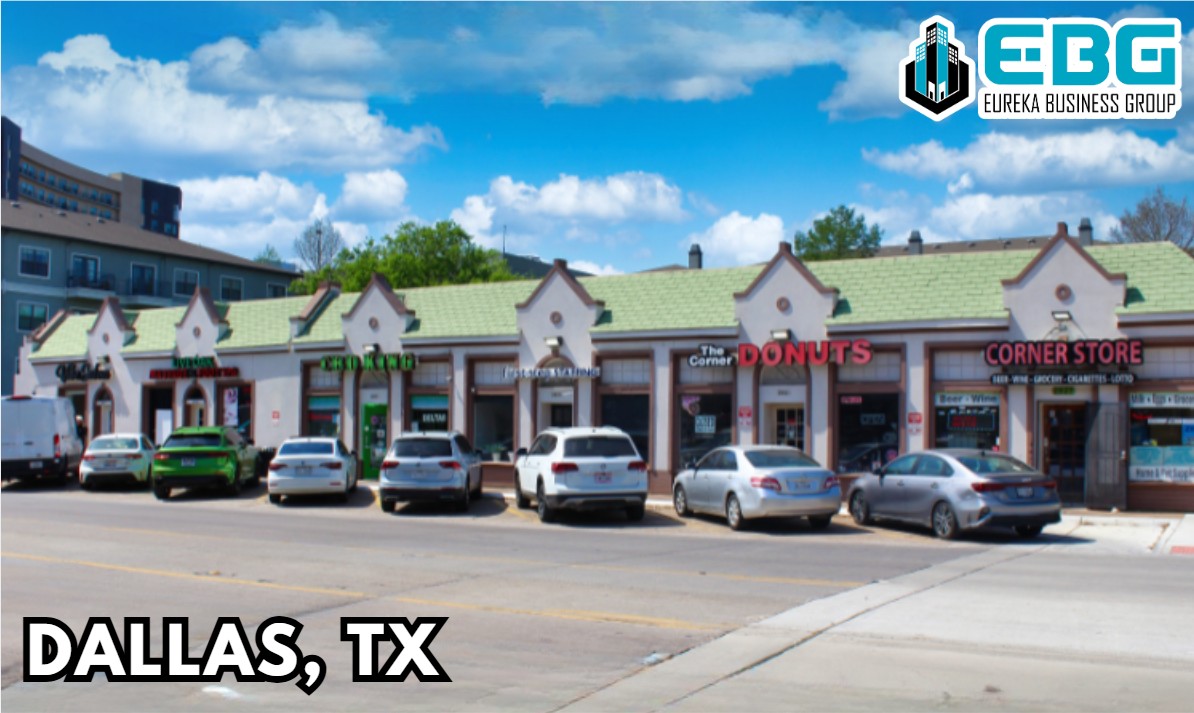
Read More

EBG Listings of The Week 12-27-2025

EBG Listings of The Week

December 27, 2025


This is the last email for 2025 and what a year it’s been! Retail & Industrial real estate did really well, some Medical performed as well while Multifamily and Office continue to struggle. 

I wanted to take a moment and thank you for being a part of our investors community and promise to keep adding value in any way that I can!
In the next couple of weeks I will create a 2026 projections video to share my thoughts about where the market is going and what will be the best strategy for this year so stay tuned! If you have any specific subjects. markets or asset classes you’d like me specifically address, feel free to email or message me and I’ll be sure to include that in the video.

As we do every week, we took time and reviewed all the commercial listings that came on the market and curated this hand-picked list representing the top opportunities we identified as the best value.

If you wanted to keep up to date on retail real estate news, we have a LinkedIn Newsletter you can subscribe to.


Did you know you can LISTEN to this email?

Under $2M

Eureka Business Group: Your Retail Navigator; Charting the Course for Retail Growth!

10,020 SF Single Tenant Retail

Why we like it:

* Corporate-guaranteed 
* Strong reported store sales
* Attractive 8.5% cap rate
* Near Walmart, Home Depot & Abilene Mall
* Recent roof & tenant improvements

Eureka Business Group: Your Retail Navigator; Charting the Course for Retail Growth!

2,900 Medical/Office

Why we like it:

* Two combined units
* Can lease part or all
* Selling well Below county assessed value!
* Owner financing available
* Exclusive EBG Listing

Eureka Business Group: Your Retail Navigator; Charting the Course for Retail Growth!

2,650 SF Single Tenant QSR

Why we like it:

* Absolute NNN
* zero landlord responsibilities
* ±14 years remaining + extension options
* Strong visibility on main retail corridor

Eureka Business Group: Your Retail Navigator; Charting the Course for Retail Growth!

1,250 SF Retail Condo

Why we like it:

* Strong surrounding income & growth
* Owner-user or investor opportunity
* Newer construction (2020)
* Vacant!

Eureka Business Group: Your Retail Navigator; Charting the Course for Retail Growth!

3,240 SF Single Tenant QSR

Why we like it:

* Brand-new 20-year NNN lease
* Guaranteed by 13-unit operator
* Recently renovated (2021)
* Main thoroughfare location

Eureka Business Group: Your Retail Navigator; Charting the Course for Retail Growth!

13,787 SF Single Tenant Retail

Why we like it:

* New 10-year corporate lease
* Multiple renewal options
* Rent increases built into lease
* Located in Fort Worth MSA growth path

Eureka Business Group: Your Retail Navigator; Charting the Course for Retail Growth!

25,000 SF Self-Storage

Why we like it:

* Built in 2022 = minimal capex
* 7.58 acres, expansion upside
* Opportunity Zone
* Underserved storage market
* Value-add lease-up potential

Eureka Business Group: Your Retail Navigator; Charting the Course for Retail Growth!

15 AC Vacant land

Why we like it:

* Zoned: SFE
* High School and Middle School Next Door Traffic & Visibility
* Subdivision Development Potential Or Build a Generational Estate

* Exclusive EBG Listing

Eureka Business Group: Your Retail Navigator; Charting the Course for Retail Growth!

15 AC Vacant land

Why we like it:

* Zoned: SFE 
* Strong Belt Line Rd Traffic
* Adjacent To Commercial Properties, Potential For Re-Zoning

* Exclusive EBG Listing

Eureka Business Group: Your Retail Navigator; Charting the Course for Retail Growth!

 33,886 SF built on 5.585 AC

Why we like it:

* Zoned: OT-Res (Old Town -Residential)
* Located In The Heart Of Cedar Hill Future Growth Path!
* Multifamily, BTR, Townhomes, Mixed-Use, & Vertical Development Potential

* Exclusive EBG Listing 

Eureka Business Group: Your Retail Navigator; Charting the Course for Retail Growth!

2.20 AC Mixed Use Land

Why we like it:

*Mixed-use zoning

* 320′ Gus Thomasson frontage
* Up to 84 apartments + retail possible
* City supports corridor redevelopment efforts
* Owner financing available

* Exclusive EBG Listing

$2M-$5M

Eureka Business Group: Your Retail Navigator; Charting the Course for Retail Growth!

37.807 AC Residential Land

Why we like it:

* CHISD Asset Sale
* Sealed Bid Opportunity
* Zoned Residential
* Exclusive EBG Listing

$5M-$10M

Eureka Business Group: Your Retail Navigator; Charting the Course for Retail Growth!

19,858 SF Retail Center

Why we like it:

* 100% leased
* Strong daily traffic on Hwy 121 (≈140,000 VPD)
* Located in dense, high-income DFW trade area

Eureka Business Group: Your Retail Navigator; Charting the Course for Retail Growth!

59,236 SF Retail Center

Why we like it:

* 100% leased 
* National anchors
* 7.22% cap rate
* High-traffic corridor
* Houston-area growth market

Eureka Business Group: Your Retail Navigator; Charting the Course for Retail Growth!

CRE News 12/26/2025

Listen to this week’s hottest Commercial Real Estate News on our podcast

Featured Video

Eureka Business Group: Your Retail Navigator; Charting the Course for Retail Growth!

Joseph Gozlan, Managing Principal

Eureka Business Group

joseph@ebgtexas.com

(903) 600-0616

About Us

Eureka Business Group: Your Retail Navigator; Charting the Course for Retail Growth!

Established in 2008, Eureka Business Group is a full-service commercial real estate brokerage. We specialize in guiding retail investors, retail leaders, franchisees, and business owners through the complexities of retail commercial real estate in the Dallas-Fort Worth market. Whether you’re a seasoned investor, a franchisee ready to expand, or a first-time tenant, we provide expert solutions tailored to your unique goals.

Read More…

Eureka Business Group: Your Retail Navigator in DFW Commercial Real Estate

Sign Up Here

Be the first to learn about lucrative commercial real estate investment opportunities in the DFW market pre-vetted by our CRE experts!

Eureka Business Group​ | DFW Retail Investment and Capital Markets Advisors
Read More

Commercial Real Estate News – Week of December 26, 2025

Commercial Real Estate News – Week of December 26, 2025

Click below to listen: 

Transcript:

 If you’ve been following the economic news lately, it must feel like we’re living in, I don’t know, two different realities. It really does. On one hand you have the US economy just performing spectacularly. We’re posting the strongest GDP growth in two years, and it’s all fueled by this massive consumer spending.

Yeah. Holiday sales are expected to break a trillion dollars for the first time ever. Exactly. Okay. But then you look at consumer sentiment and it tells a completely different story. Confidence is down for the fifth straight month, hovering near some pretty recent lows. It is a classic economic paradox, isn’t it?

Right? You have this high velocity spending clashing with just. Deep, deep uncertainty. Right? And that’s precisely why we’re doing this deep dive today. Our mission is to, you know, cut through some of those mixed signals by looking at recent commercial real estate news. Okay. We’re gonna focus specifically on the, I think, surprising resilience of the US retail sector, and crucially how these national trends are really getting amplified in high growth markets like Dallas-Fort Worth, which is still the undisputed leader in overall CRE activity right now.

Still number one. Okay, so let’s unpack this. We have to start with the macroeconomic backdrop, the cost of money, because that tension is defining everything for investors today. Mm-hmm. Let’s look at what’s driving that spending growth. The US economy grew at a really powerful 4.3% annual rate in the third quarter of 2025, and that growth was, I mean.

Overwhelmingly driven by the consumer spending expanded by 3.5%, which is a big jump from the previous quarter. What’s fascinating to me though, is the composition of that growth. It sort of explains why the market feels so mixed. It does. While consumer spending is robust, especially on things like services and experiences.

Business investment growth has really slowed down sharply, right? Yeah. A sharp drop from the prior quarter. And this tells you that while Americans are still out there buying, businesses are pulling back, they’re cautious about the future, pausing, non-essential expansion. And even with all that spending, consumers are clearly anxious.

That’s why we’re seeing the conference board’s confidence score drop again in December down to 89.1. And it’s important to remember that score is based on a 1985 benchmark of 100. So 89.1 is, uh, it’s a significant dip. Concerns about sticky inflation, trade tariffs, federal policy shifts. Yeah, it’s all weighing on people.

And that anxiety translates directly to cost pressures. I mean, look. Annual US consumer inflation has eased a bit from 3% down to 2.7% in November. Okay. But the biggest pain point for households is still shelter. Rents are still up 3% from a year ago. That constant pressure on housing just squeezes the consumer wallet.

It makes that 4.3% GDP growth feel a little less meaningful to the average person. Now on monetary policy, we did see the Fed implement its third consecutive rate cut. That puts the benchmark rate between 3.5% and 3.75%, which was widely welcomed. It’s a signal that the short term borrowing rate is stabilizing in what a lot of people see as, you know, neutral territory.

So if we connect this to the bigger picture for commercial real estate. The narrative gets complex. It does. The Fed is signaling a slowdown in future cuts. Maybe just one more. In 2026, this confirms that the era of ultra cheap sub 4% money is, well, it’s definitively over. So for CRE investors, financing costs are still high.

We’re talking. Mid 6% range for most borrowers, right? And that’s roughly double the rates we saw just a few years ago. It fundamentally restricts who can buy and what they can afford, but the capital markets are showing some signs of life. We saw CMBS issuance, commercial mortgage backed securities.

Surpass $126 billion in 2025. That’s the highest level since 2007. On the surface, that looks like epic market strength, and this is where that theme of selectivity comes in. While that $126 billion figure is massive, it really masks some lingering stress in certain sectors. How so? While that issue in strength is almost entirely fueled by loans tied to say a high quality data centers or prime trophy office assets, mostly in places like New York City.

The majority of BNC class assets, you know, suburban office parks, older retail centers, they’re still struggling to get affordable financing. This higher cost of capital has really favored cash buyers and it’s forced what analysts are calling price discovery. Exactly. Meaning sellers finally had to accept that asset values had to be reset lower to meet this new reality Precisely.

Buyers only came back to the table when the valuations were recalibrated. It shows that high rates didn’t shut down the market. They just forced a major, and frankly, a healthy correction. So it demands a much more selective and capital rich approach, which is why we’re seeing is such a clear bifurcation in performance.

Okay, let’s transition that into the retail sector itself, because this is where that consumer paradox really plays out low confidence. Yet, holiday spending is tracking about 4% ahead of last year. It’s a mix, but the key point is that consumers are prioritizing specific types of spending. Online sales were especially strong up almost 8%, but even brick and mortar did well.

Electronics, clothing and accessories both saw growth over 5%, right? When people are concerned about the future, they tend to consolidate spending. It’s either necessities or smaller, immediate rewards like dining out or small luxuries, and that keeps the cash registers humming. The National Retail Federation projected that total holiday spending would surpass a trillion dollars for the first time.

That confirms this underlying resilience and that resilience has translated into better fundamentals for the properties themselves. The outlook for retail property investment is seen improving all through 2026. Building on a strong 2025 where investment volume was already 12% higher than the pre pandemic average.

The main reason for this strength, and this can’t be overlooked, is the supply dynamic. New retail construction just hit historic lows in 2025. How low? We saw less than 43 million square feet started and under 55 million delivered. That’s the smallest annual total since 2007. That supply constraint is the key ingredient, isn’t it?

You have steady consumer demand meeting this historic scarcity in new construction, and that scarcity is driven by the high financing costs and the labor shortages we’ve talked about. It just completely shifts the leverage to landlords for any quality space. Absolutely. Nationally retail vacancy held steady at a historically low 5.8% in Q3, and that scarcity helped push average US Retail rents up almost 2% to a record, $25 and 69 cents in square foot, and that growth was strongest wear.

Unsurprisingly, in the high growth southern markets, they saw a 2.3% increase year over year. And here’s where we see that selectivity playing out in some surprising ways. The return of the mall malls, which everyone had written off for years. We saw 38 single asset mall sales in the first three quarters of 2025.

That matches the total for all of 2024. And big landlords like Simon Property Group are reporting 96.4% occupancy. Very tight, but you have to highlight the difference here. The market is brutally bifurcated. Egg class malls are thriving because they’ve invested in experiences in technology. They attract the right demographics right at the same time.

We saw 13 million square feet of obsolete mall space get demolished in just the first nine months of 2025, 13 million. That’s a huge number. That demolition rate is the clearest signal you can get. Lower tier, poorly located assets are failing and failing rapidly. The market is not lifting all boats. It’s rewarding superior quality.

We’re seeing interesting moves from tenants too. Food and beverage is clearly a priority. Garden restaurants, olive Gardens parent company is ramping up openings. They’re expecting 65 to 70 new locations this fiscal year. They’re citing better than expected sales growth with Olive Garden’s, same store sales up 4.7%, and their story of distress is really a story of bad real estate.

They’re trying to renegotiate these pricey legacy leases from a 2014 sale leaseback deal that were structured way above current market rates and those outdated rigid lease agreements are now dragging down their profitability. It just underscores the risk of poorly negotiated real estate contracts. A good tenant can still fail under a toxic lease.

So let’s bring this focus home. Let’s pivot from the national trends to the market that’s really capitalizing on all this dynamism, Texas and specifically Dallas-Fort Worth. DFWs performance has been well staggering. It kept its number one spot in the U-L-I-P-W-C emerging trends report, and that’s backed by the numbers, nearly $18 billion in investment sales through Q3 of 2025.

And that investment is fundamentally driven by people. The DFW Metroplex has seen a massive 36% population increase since 2010, and that translates into an unprecedented surge in retail development. DFW saw 2.9 million square feet of new retail space delivered in 2025. That’s the highest amount since 2017.

Yearly, double the previous year’s figure. What’s fascinating is that even with that jump in supply demand remains just insatiable for well-located assets, which is why institutional capital keeps chasing those high profile deals. We saw a great example with CTO Realty Growth Selling Shops at Legacy North in Plano.

A prime retail hub in the Dallas area sold for $78 million, and that transaction achieved strong pricing because of significant leasing and stabilized occupancy in a really desirable growing suburb. And this strength isn’t just confined to DFW, is it? We’re seeing institutional capital flow into retail all across Texas.

Absolutely. Down in the Austin Metro, a joint venture bought the Wolf Ranch Town Center and Lakeline Plaza. That’s a million square feet for $250 million, and both of those centers were 99% leased, and for one of the partners, it was their first US Open air retail acquisition. That tells you a lot about confidence in Texas population dynamics.

Similarly, in San Antonio retail vacancy is a very healthy 4.3%. We saw the Park North Shopping Center sell for $115 million. The largest shopping center sale there since 2021. The common thread here is high occupancy and strong pricing, even with national headwinds, and importantly, D W’s Dominance is anchored by growth across all sectors.

It’s not just retail holding up the market. DFW is leading the nation in office demand 3.3 million square feet of net absorption through Q3. That’s the critical context. Plus you have massive infrastructure and manufacturing investment. That’s right. Texas Instruments just began production at its new semiconductor facility in Sherman, just north of Dallas.

It’s part of a $60 billion expansion plan, so that high tech manufacturing creates high paying jobs, which drives population growth and housing demand, which in turn fuels the need for new retail centers. It’s a powerful reinforcing economic cycle. It gives investors in the region an incredible buffer against uncertainty.

Okay, we have to close by looking at some of the headwinds that could still temper enthusiasm. The conference board projects that trade tariffs will remain a drag on the economy through 2026, which will keep overall spending in investments somewhat muted, especially for sectors that rely on international supply chains and on the construction pipeline front, the architectural billings index.

It fell for the 13th straight month in November, a score of 45.3. Anything below 50 means project demand is contracting that continuous drop signals that future new supply will stay severely constrained even in high growth markets. Even there, and despite construction jobs actually rising in 31 states led by Texas, that labor shortage is a huge factor.

Contractors keep reporting a lack of qualified workers as a key challenge to staying on schedule and on budget. That tight labor market combined with expensive financing just reinforces the lack of new retail inventory we talked about earlier. Separately, we are tracking some policy changes. A federal executive order was just signed to hasten the reclassification of marijuana from Schedule one to a less serious schedule three.

The legal details are complex, but easing regulatory burdens and simplifying banking access is expected to increase the uptake of industrial and retail space for that industry. So what does this all mean for you, the commercial real estate investor? Well, the data really confirms that retail properties, especially high quality supply, constrained assets and high growth southern markets like DFW are thriving.

They’re commanding record prices. Even as this macroeconomic uncertainty continues, it’s the definition of a flight to quality. The key takeaway is the continued need for acute selectivity. The success stories like Simon’s, 96.4% occupancy show the high value of quality, but conversely, that high demolition rate for obsolete malls underscores the risk in lower tier properties.

So investors have to focus on markets with robust population engines like DFW and properties serving those high growth areas. That’s the game right now. Okay. A final thought for you to explore as you plan for next year. Former Senator Mitt Romney recently wrote an op-ed calling for the elimination of 10 31 exchanges a critical tax break.

It allows real estate investors to defer capital gains when they sell one property and buy another. Right, and we’re talking about billions of dollars that flow through 10 31 exchanges for CRE deals every year. It peaked at over $18 billion in 2021. So here’s the question. What would the immediate and long-term consequences be for capital flow, for liquidity, and for asset pricing?

In a market like DFW Retail, if that crucial tax deferral were to suddenly close, it’s a potential policy shift that could fundamentally reset how real estate investment decisions are made across the board.

** News Sources: CoStar Group 
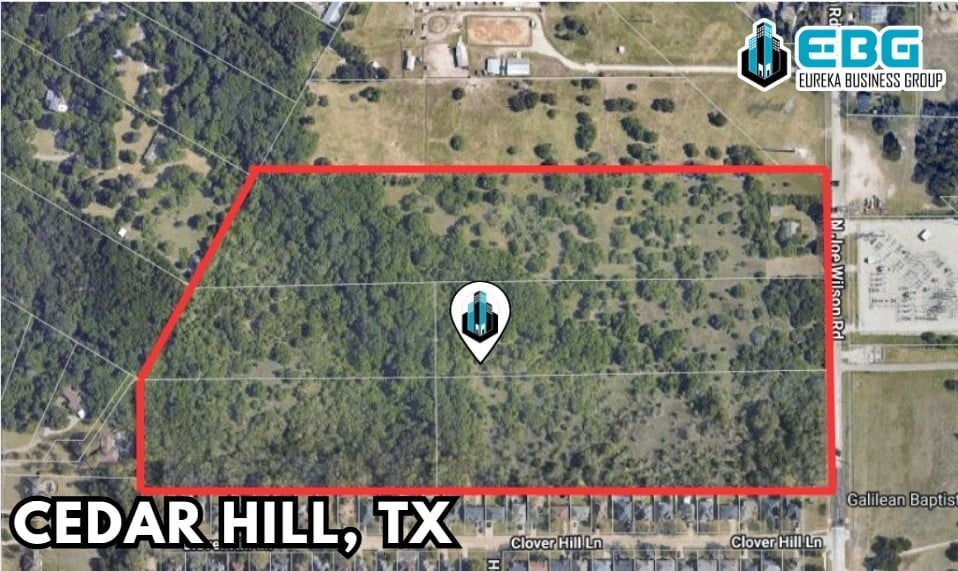
Read More