Welcome to the deep dive where we take a look at what’s happening in DFW, commercial real estate and beyond. It’s Valentine’s day, but today we’re ditching the chocolates and roses and talking about something you really care about making smart decisions in the DFW commercial real estate market. We’ve got some big things to talk about today.
A 750 million project that’s changing Plano DFW beating out Phoenix for the number two spot in the nation for bill to rent projects. Wow. And We’re going to see if b malls are really dead or not. Here to help us understand all of this is our expert. Glad to be here. Let’s jump in. Okay, let’s get started with the huge Haggard Farms development.
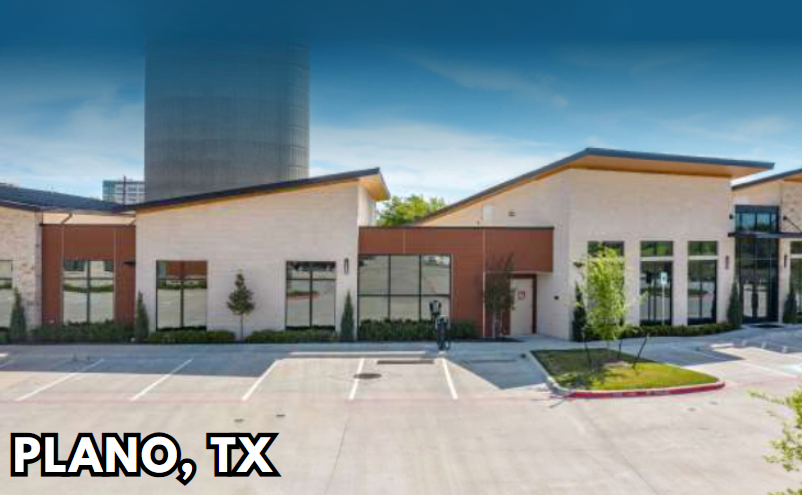
Okay. This 750 million project in Plano is at Spring Creek Parkway and Parkwood Boulevard. You know where that is. Yeah, I know it. Prime location. And it’s a great example of how popular these mixed use developments are right now. Yeah, they’re 200, 000 square feet of retail space. Huge. 700 multifamily residences.
A boutique hotel. offices and even more retail. Plus they’re putting in 10 acres of green space. Sounds nice. The retail should be done in about 14 months. Okay. And the residence is in about 20. The developer, Stillwater Capital, is starting with commercial amenities this summer, early summer. Oh, wow. So that means that they’re looking at retail as like the main driver of this whole thing.
Yeah, that’s what it seems. So they’re probably gonna get All sorts of different tenants in there, which is going to bring up the value. Makes sense. And you know, this all ties in with what we’ve been seeing lately with multifamily housing doing better than other types of real estate. Absolutely.
Investors are really interested in multifamily right now. Rents are strong. There’s not a lot of new supply. It’s a good investment. Makes sense. Plus, now that interest rates are up, it’s harder to buy a house. Yeah, it’s tough. So, people are renting more, which is good news for people who own rentals. Okay, let’s switch gears and talk about something else that’s hot right now.
Build to rent, or BTR for short. Okay. Get this, DFW is now number two in the country for BTR projects, and we’re even ahead of Phoenix. Really? I did not know that. Almost 8, 500 projects under construction in DFW. Wow. And for all of Texas, there are over 22, 000 BTR projects going on. That’s like 56 percent more than Arizona.
Wow. And a lot of this is happening because mortgage rates are so high, it’s hard to buy a house, especially for first time buyers. Right. People also seem to like the flexibility of renting, especially after the pandemic. Yeah. In DFW, we see a lot of BTR in Dallas, Fort Worth, McKinney, Princeton. Makes sense.
And get this. A third of the BTR projects in DFW are all part of one development, Living Fully Orchard Farms. Wow. One development. Yeah. So this is something that investors are really thinking about. Yeah. Because with all this new supply, will rents keep going up? Some people think they will, but others think they might slow down because of things like Construction slowing down.
Yeah. Materials costing more. Yeah, it’s hard to say for sure. You’ve got to watch things closely. It’s a really interesting time. It is. Okay, let’s move on to retail. Specifically those b malls. You know, the ones that are usually anchored by a department store. They’re not doing so well these days. Yeah, not so hot.
So, the big question is, are they done for or can they come back? Hmm. Good question. Okay. So let’s talk about this mall grading system for a sec. Okay. You’ve got A malls, which are like the top tier, right? Right. The best tenants doing really well. Then you’ve got B malls. Okay. Those are kind of in the middle.
And then C malls. Okay. Those are struggling. And there’s this company called Green Street. They’re like the experts in commercial real estate. Okay. They’re saying that for most malls that are graded B or lower, The future’s not looking good. Oh, wow. Yeah. They think a lot of them are going to be changed into something else over the next ten years.
Like, maybe apartments or offices. Interesting. So, why are these b malls having such a hard time? Well, you know, department stores are closing left and right. Yeah? And when they leave, it’s like a domino effect. Other stores close. Less people come to the mall. It’s a mess. Yeah, it’s tough. And then you’ve got online shopping.
That’s not helping either. Definitely not. People are buying more and more stuff online. So it’s a tough spot for BMalls. It is. But there might be some opportunities there for investors who know what they’re doing. Yeah, potentially. Like you said, maybe converting them into something else. Right, right. Or maybe finding those emerging brands, the ones that are growing.
They might be looking for space. Yeah, could be. A malls are full, so maybe they’ll look at B malls. Maybe. And there are some signs of this happening in DFW, Simon Property Group, they own a lot of malls. Yeah, I know them. They’re investing in b malls here. They’re trying to get those up and coming brands.
That’s smart. Yeah, and they’re putting money into the malls themselves, trying to improve them, make them nicer for shoppers. Okay. So that’s a sign that maybe there’s hope for some of these b malls. Yeah, maybe so. Okay, let’s zoom out and look at the bigger picture now. Construction costs went way up in January.
They did? Yeah. And that’s because of The new Trump tariff on imports. Contractors are buying everything they can now before prices go up even more. That’s a big deal. So what’s that going to mean for consumers? You think prices are going to go up? Some economists think so. Okay. And then you have Jerome Powell, the Federal Reserve Chairman.
He said they don’t need to lower interest rates anytime soon. Oh, wow. Which means that borrowing money is going to stay expensive at least for a while. Yeah. And that affects both development and investment. It makes it more expensive to build new projects. Right. And it can make investors less likely to put money into new projects.
Yeah, definitely. So, understanding all of this is really important. For anyone who’s involved in DFW real estate, it doesn’t matter if you’re a developer, an investor, or a tenant, these things are going to affect you. You got that right. It’s a lot to keep track of. Yeah. But that’s why we’re here, right?
Trying to make sense of it all. Exactly. Yeah, exactly. It’s a wild ride out there. Speaking of things changing, let’s talk about how they’re designing multi family properties these days. It seems like they’re really focusing on the people who are going to live there. Yeah, it seems like a much more, uh, User centric approach.
Totally. Architects and designers are like, actually listening to what people want. So what does that mean? Like, what are they actually doing? Okay, so you see bigger community spaces with like, awesome gyms and areas just for like, wellness stuff. Interesting. And then outdoors, you’ll see more rooftop patios and stuff and courtyards with landscaping and all that.
And pet stuff is huge now, dog parks, places to wash your dog. I see. It’s all about what people want these days. They want community, they want to feel good, and that’s what these places are trying to do. Makes sense. So it’s not just about those shared spaces, right? Like, what about the individual apartments themselves?
Yeah, so there’s this big push for personalization. Like, you can actually customize your apartment. Oh, wow. Yeah. Choose your paint colors, the fixtures, maybe even the flooring. So, it feels more like your own place. Interesting. So, it’s all about that unique, personalized living experience. What about, like, the design, the look of these places?
What are the trends? Okay. So, with colors, it’s bold but warm. Like, you’ll see mustard yellow, terracotta, blues. Oh, that’s interesting. So it’s not that minimalist thing anymore. Minimalism is still there, but people want a little more warmth, so you’ll see soft colors and natural stuff like wood and metal, and then like textures, you know, with rattan and leather.
Okay. And of course, sustainability is still huge, right? Oh yeah, absolutely. Lots of recycled and eco friendly materials like countertops made from recycled glass or furniture from reclaimed wood. And the fabrics too are more eco conscious. It’s good for the environment and people like it. Speaking of changes, let’s talk about working from home and how that’s impacting commercial real estate.
Yeah, that’s a big one. There’s the study from NYU in Columbia. They looked into this whole thing and basically working from home or even just part time, it’s causing office space demand to go down. Really? That makes sense, but I wonder how much of a difference it’s making. Oh, it’s a big difference. Look at New York, for example.
Office values there went way down during the pandemic because companies just needed less space. Wow. Yeah, same thing in other cities, San Francisco, Miami, Houston. It’s like a whole new way of thinking about offices. So what does this mean for the future of office buildings? Well, this study suggests that office owners, they gotta adapt.
Like, maybe convert some of that empty space into apartments. Two birds, one stone, right? You get more housing and deal with the empty offices. That’s clever. Anything else they can do? Yeah, they gotta be more flexible with leases. Okay. Offer more amenities, make the buildings more sustainable, that kind of thing.
It’s a tough time for offices, but there are ways to make them work. Yeah. Okay, let’s switch gears again. Data centers. They’re booming right now, but that’s causing its own set of issues. Right. All those computers, they use a ton of electricity, putting a strain on the power grid. And, interestingly, more and more data centers are turning to natural gas for power.
Oh, really? Why natural gas? Well, natural gas plants are reliable. Okay. They can be built pretty quickly, and they’re better for the environment than other fossil fuels. Okay, so it’s about having enough power, but also trying to be a little more eco friendly. Yeah, exactly. Are there companies doing this right now?
Oh yeah, Vantage Data Centers, they’ve teamed up with an energy company, VoltaGrid. Okay. And they’re putting in like a gigawatt of natural gas power at their data centers. All across North America. Northern Virginia, Phoenix, Montreal, Quebec City, you name it. Wow. And there’s another company, EdgeConnex, they’re building a natural gas plant near Columbus, Ohio, just to power their data center there.
It’s pretty amazing to see how they’re solving this energy problem while trying to do it in a responsible way. Yeah. Okay, let’s bring it back to DFW. You know, we were talking about Build to Rent earlier and how DFW is number two in the country for those projects. Right, it’s huge here. So, why is that? Is it just because they’re popular everywhere, or is there something specific about DFW?
It’s a few things. First, it’s harder to buy a house now. Right, those high mortgage rates. Exactly. And then, people want more flexibility. They don’t want to be tied down. Yeah, especially younger people. Right. And then, DFW has a ton of jobs. People are moving here and they need places to live. Makes sense.
Where are we seeing the most build to rent projects? Oh, Dallas, Fort Worth, McKinney, Princeton, those areas. Okay. And remember that crazy stat, a third of the BTR projects in DFW are all in one development, living fully orchard farms. Yeah, that’s wild. So what makes these build to rent places so popular?
They’re kind of like apartments, right? They have pools, gyms, all that. But then they also have backyards. Oak. And garages and all the smart home stuff. It’s like the best of both worlds. Apartment living with the space of a house. Yeah, I can see why people like them. Okay, let’s move on to something that could be a real game changer for retail.
Okay, what’s that? Drone delivery. Oh yeah! Walmart is going to start delivering stuff by drone. No way! Really? Where? In East McKinney. They’ve got the zoning approval and everything. Wow! So they’ve got this whole system. A drone carries the package to like A drop off point. Right. And then this little robot, a delivery droid, takes over from there and brings it to your door.
Pretty cool. So what are they going to be delivering? At first, it’s going to be like the things you need right away. Groceries, medicine, stuff like that. Makes sense. This could totally change how we shop. I mean, imagine getting your stuff delivered in minutes. Crazy. Are other companies already doing drone delivery here?
Yeah, Zipline. They deliver medical supplies. They’ve been doing it in DFW for a while now. Oh, yeah. I’ve heard of them. It’s interesting to see how drone delivery is going from, like A cool idea to something real and Walmart getting involved, that’s huge. Okay. Let’s shift gears again. Let’s talk about the northern part of Collin County.
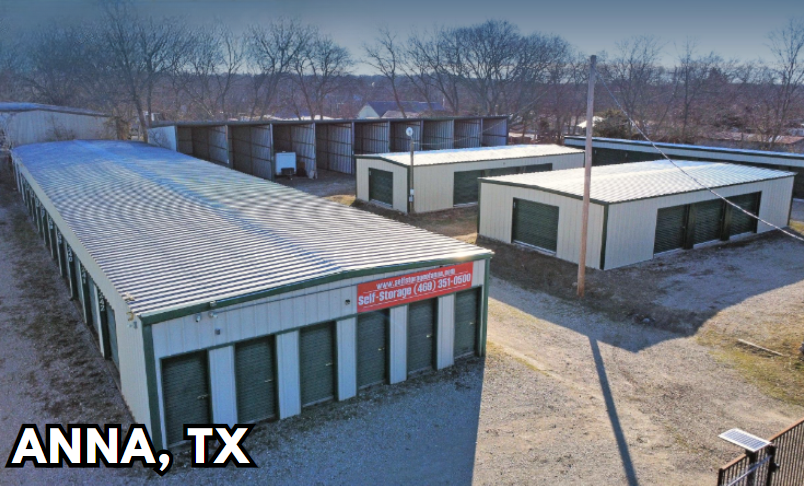
That area is really growing. Yeah, it’s booming up there. Like, Anna, Texas. They’re building this huge new community there, Liberty Hills. Oh yeah, I’ve heard of that. What’s driving all this growth up there? Well, Anna’s population is supposed to double by 2030. Wow, that’s a lot of people. So they need more houses, more businesses, everything.
And that’s where these big developments come in, like Liberty Hills. So what’s so special about Liberty Hills? What are they building there? It’s over a thousand acres, right along Highway 75. They’re going to have all sorts of houses, apartments, amenities, and retail space. It’s going to be its own little town, basically.
Wow, that’s ambitious. Yeah, and it’s not the only big project happening in Ananda. There’s also Shirley Farms. Shirley Farms. It’s a 1. 5 billion project. They’re building 3, 000 houses. Lots of green space and even a working farm a farm. Yeah, a real farm. That’s really cool It’s amazing how these places that used to be like out in the country are turning into cities.
It’s wild. Mm hmm. Speaking of wild What about the economy interest rates are up inflation all that stuff our investors worried, of course, they’re paying attention Yeah, but the market here, especially in DFW. It’s holding up pretty well Why is that? Well, the economy here is strong. Yeah. Lots of jobs.
People are still moving here. So there’s still demand for real estate. Okay. So it’s not all doom and gloom. No. Not at all. But. Investors are being smart. They’re focusing on things that are doing well, like apartments and industrial properties. They’re not just jumping into anything, they’re doing their homework.
So what would you tell someone who’s thinking about investing in DFW right now? Do your research. Okay. Know the market, understand the risks, and that’s where a company like Eureka Business Group can really help. Right, they’re the experts. Exactly, they can help you make smart decisions. Okay, let’s talk about something near and dear to Eureka Business Group.
You know, we talked about e commerce and how retail is changing, but there’s something else happening. Something big. Oh yeah, the metaverse. Yeah. It’s not just a buzzword anymore. It’s real. And it’s starting to change how we shop. I still don’t really get it. What is the metaverse exactly? It’s like a bunch of virtual worlds connected together.
You can hang out with people, go to events, shop, play games. All virtually. So how does that affect shopping? Well, stores are opening up in the metaverse. Really? Yeah, virtual stores and showrooms. You can walk around, check out the products in 3D. You can even try clothes on, see how furniture looks in your virtual house.
Sounds kind of like a video game. It is kind of like that, but it’s way more immersive than just shopping online. So are stores actually doing this? Yeah, Nike has a whole world on Roblox. It’s called Nikeland. Okay. You can play games, hear out, and buy Nike stuff. Gucci is selling Virtual handbags and shoes that you can only get in the Metaverse.
It’s pretty wild. So why is this good for businesses? Well, they can reach new customers, especially younger people who are all about the Metaverse. Okay. It’s also a cool way to build your brand, create experiences you couldn’t do in real life. Makes sense. And what about shoppers? What’s in it for them?
Well, it’s fun. It’s a totally new way to shop. You can check out products in 3D, hang out with brands, go to events, all virtually. So it’s a win win. It could be. But it’s still early days, you know. There are some things to figure out, like how to make it accessible to everyone, the technology, privacy stuff.
Right. But things are moving fast. It’s definitely something to keep an eye on. Definitely. Okay, let’s talk about another trend that’s blurring the lines between online and offline. Omni channel retail. Right. Yeah, it’s like everything is connected. Exactly. It’s about making the whole shopping experience seamless.
It doesn’t matter if you’re in the store, on their website, on their app. It should all be connected. Okay, so can you give me an example? Sure. Let’s say you’re on a store’s website. Okay. And you put some stuff in your cart. Later that day, you go to their store to actually see the stuff. With Omnichannel, you can just open your cart on your phone right there in the store.
I see. Try the stuff on, buy it right there, however you want to pay, credit card, phone, whatever. It’s all connected. That makes a lot of sense. So it’s all about the customer. Yeah, it’s about giving them what they want, when they want it. Okay, so, is this good for stores? Oh yeah, it can mean more sales, happier customers, and they get more information about you, so they can give you better recommendations and stuff.
That’s pretty cool. What about for shoppers? What are the benefits? It’s convenient, it’s flexible, and it’s more personalized. You get what you want, how you want it. Makes sense. Are there stores doing this well right now? Sephora is a good example. They’ve really nailed this omni channel thing. Oh, okay. How so?
They have a great app. Right. You can browse products, book appointments, even try on makeup virtually. Ah. And their loyalty program, it works online and in store. They’ve even connected their inventory so you can order online and pick up in store or the other way around. That’s smart. So they’ve really thought this through.
Yeah, and it’s working for them. It shows how powerful this omni channel thing can be. So for investors looking at retail, what should they keep in mind? Things are always changing in retail. Right. You gotta pay attention to the trends, like this metaverse thing, omni channel, and how the online and offline worlds are merging.
Location is still key. The mix of stores in a property and the overall experience it offers, that’s all important. Okay, good advice. Let’s talk about something that’s really changing the whole DFW landscape, the airport. Oh yeah, DFW Airport is getting a major upgrade. It’s a huge project. What’s going on there?
They’re adding a whole new terminal, Terminal F. Wow. It’s gonna cost three billion dollars, have 24 new gates, and it’ll be connected to the other terminals by that SkyLink train. That’s a lot of work. Why are they doing all this? Well, DFW is one of the busiest airports in the world. Right. They need more space for all the passengers and flights.
This will also help them compete with other airports and bring in new airlines. It’ll really solidify DFW’s place as a global airport. So what does this mean for DFW, for the people who live and work here? Jobs. Lots of jobs. Okay. It’ll boost the economy, bring in new businesses. Right. And it’ll make it easier for people to get in and out of the region.
It’s a big deal for DFW. Okay, let’s talk about another big issue for investors. Offices, right. They’ve been having a tough time. Yeah, but it seems like things might be turning around. Yeah, maybe. Companies are realizing that working in person is still important. Yeah, for collaboration, culture, all that.
Exactly. So, people are coming back to the office, at least some of the time, but it’s not the same as before the pandemic. Right. Offices are changing, they’re more about collaboration, they’re more flexible, and they have better amenities. So it’s not just rows of desks anymore. Nope. What kind of offices are doing well?
The Class A buildings? It’s the really nice ones in good locations. Those are the ones that companies want. They have all the cool stuff and a good address which helps them attract and keep good employees. Any examples of that here in DFW? The Star in Frisco is a good example. It’s a mixed use development and it’s got the Dallas Cowboys.
Headquarters there, plus other offices and a whole entertainment district. It’s a cool place. It shows how offices can work when they’re part of something bigger, where people can live, work, and play. So for investors looking at office space, what’s the advice? Be picky. Location, amenities, who’s already there, that’s all important.
And think about the future. Look for places that can adapt to how people work now. Okay, good advice. Now let’s talk about something that’s essential for any Growing region infrastructure, right? You got to have good infrastructure if you want to thrive. So what’s happening in TFW? Well, I already talked about the airport, but there’s more TxDOT the Texas Department of Transportation is spending billions to improve the roads and highways.
Okay, less traffic better flow safer roads It’s all good What about public transportation? DART, the light rail system, it’s getting bigger, connecting more places, giving people options besides driving. Makes sense. So people can get to work, go out, all that. Exactly. All this infrastructure, it’s good for the economy, and it makes DFW a better place to live.
It’s definitely an investment in the future. Speaking of the future, we’re seeing a lot of companies moving their headquarters to Texas. Oh yeah, it’s like a corporate migration. And DFW is a big winner. What’s the draw? A few things. Texas is good for business. Okay. Lower costs, great workforce. Yeah. And no state income tax, that’s a big one.
Definitely. Yeah. Any examples of companies making the move? Oh, yeah. Caterpillar, the construction equipment company, they moved to Irving from Illinois. Okay. And Charles Schwab, the financial giant, they moved from San Francisco to Westlake near Fort Worth. Wow, that’s a big move. It is. It just shows how attractive Texas and DFW are right now.
It’s exciting to see all this growth. But all these new people and companies need places to live. Exactly. There’s a housing shortage. Yeah. And developers are trying to keep up. So where are we seeing the most construction? Frisco, McKinney, prosper. They’re booming. Yeah. Those are hot areas. Good schools.
Nice communities. Close to jobs. It’s a good package. And what about the cities themselves? Dallas and Fort Worth. Oh, they’re doing well too. Lots of new apartments, condos, mixed use stuff downtown. Okay. It’s good to see growth all over the region. It means there are options for everyone. So what’s your take on the DFW real estate market right now?
It’s a good market. Okay. It’s strong. There are opportunities, but it’s not without its challenges. Right. The economy is good. People are moving here. There’s development happening, so the future looks good. Okay. But you have to stay informed. Know what’s going on and make smart decisions. That’s where Eureka Business Group can help.
Exactly. They’re the experts. They can guide you through it all. Let’s take a break, and when we come back, we’ll look at a specific development that really showcases how DFW is growing and changing. Welcome back to the Deep Dive. We’ve talked about so much today, from those big trends to what’s happening right here in DFW.
Now let’s zero in on one project that really shows how dynamic this market is, the fields in Frisco. Yeah, the fields, that’s a huge project. 2, 545 acres. It’s massive. It’s mixed use, like we’ve been talking about. Yeah, it seems like developers are all about these mixed use projects these days. Mm hmm.
Creating these destinations where you can do everything. Yeah, it’s the live work play concept. So what’s happening at the fields? What makes it so special? Well, they’re building all kinds of housing, from houses to apartments, and then there’s office space. Retail, restaurants, entertainment, parks, trails, you name it.
Wow, that’s a lot. It is. And get this, they’re putting in a 17 acre lagoon. A lagoon? Yeah, right in the middle of this whole thing. It’s going to be like a waterfront district. That’s pretty cool. So it’s like its own little city. What’s the idea behind all this? They want it to be walkable, connected, you can live there, work there, play there, everything.
Sounds like a great place to live. And Frisco’s the perfect place for something like this. It’s been growing like crazy. It has. And the fields is a big part of that growth. It’s bringing in people, businesses, everyone. Frisco’s becoming a real powerhouse. It’s amazing to see. Okay, let’s zoom back out again and talk about something that’s affecting commercial real estate everywhere, ESG.
ESG, yeah, that’s Environmental, Social, and Governance. It’s a big deal. It is. Investors are really focused on it now. It’s not just a side thing anymore. Nope. It’s front and center. Companies are being judged on it. Investment decisions are being made based on it. So what does it mean, really? What are we talking about when we say ESG?
It’s about how a company affects the environment, how it treats people, and how it’s run. Investors want to see that a company is thinking about these things, that it’s doing things the right way. Okay, and how does this apply to commercial real estate? It’s changing everything. How buildings are designed and built, how they’re managed, even how people invest in them.
So, green buildings, solar panels, that kind of thing. Exactly. People want buildings that are good for the environment, that save energy, reduce waste, and are healthy for the people inside. Makes sense. Are developers actually doing this? Oh yeah, a lot of them are getting LED certification for their buildings.
LED, okay. Yeah, it’s like a rating system for how sustainable a building is. And you see more solar panels, green roofs, that kind of stuff. It’s good for the environment, and it can save money in the long run. That’s great. Okay, let’s switch gears one more time and talk about something that always makes investors nervous.
A recession. Yeah, a recession. Are we heading for one? And if so, what’s it going to do to the commercial real estate market? Well, The economy goes up and down, that’s just how it works. So a recession is always a possibility. So are there signs that one is coming? It’s hard to say. Some things look good, some things don’t.
Right. Inflation is going down, but interest rates are still high. The job market is strong, but things are slowing down a bit. Okay, so it’s a mixed bag. But if we do have a recession, how will that affect real estate? It really depends on the type of real estate. Some sectors are more sensitive to the economy than others, like retail, that usually takes a hit when people aren’t spending as much.
Makes sense. What about offices? Offices are already dealing with people working from home. Right. So a recession could make things even tougher for them. What about industrial? That’s been doing really well. Industrial tends to hold up better during a recession. Okay. People still need warehouses and logistics, especially with all the online shopping.
So it really just depends. Yeah, it does. What should investors do? Don’t put all your eggs in one basket. Right, diversify. Exactly. Invest in different types of real estate in different places. Okay. And be smart. Do your due diligence. Make sure you understand the risks before you invest. Think long term.
Good advice. So as we wrap up this deep dive into the DFW commercial real estate market, what are the big takeaways? DFW is a strong market. It’s growing and there’s a lot of opportunity here. Okay. But it’s also complex and constantly changing. You got to stay informed, understand what’s happening locally, and be careful about where you put your money.
And that’s where Eureka Business Group can help. They’re the local experts. Exactly. They can help you make sense of it all and find the right opportunities. That’s right. Well, thanks for joining us on this Valentine’s Day edition of the deep dive. We had a lot of fun exploring the DFW commercial real estate market with you.
We’ll be back soon with another episode until then happy investing.