
Commercial Real Estate News – Week of May 02, 2025

Commercial Real Estate News – Week of May 02, 2025

Click below to listen: 

Transcript:

 Welcome to the Deep Dive. Today we’re really plunging into the modernization of commercial real estate, looking specifically at 2025. Yeah, it feels like a big year. Does this, we’ve gathered quite a mix of sources, articles, some visual data, trying to, get under the skin of the key trends, what’s really driving this transformation.

We’re looking at things like how digital tools are changing physical spaces, shifts in property types, multifamily retail. Logistics and those population shifts too, right? People moving around the country. Exactly. And it just feels like 2025 is shaping up to be a really pivotal year for the CRE sector.

It certainly seems that way. I think what’s really interesting is how technology changing demographics consumer habits. They’re all kind of converging, right? And it’s creating this this very dynamic environment for commercial real estate. So the goal today, is to dissect these different pieces.

Yes. See how they connect and really pinpoint what’s most critical for you, the listener, to understand as this modernization unfolds. Okay. Let’s let’s unpack this then. One of the first things that well jumps out from the sources is just how pervasive technology has become. We saw that image, you know that when was someone using a digital interface overlaid on a physical space?

Yeah, very illustrative. It really highlights how tech is becoming well fundamental to how we even understand and operate commercial properties now. The word modernization just keeps popping up around 2025. The key insight there I think, is that this merging of digital and physical, it’s not just about, cool interfaces, right?

It’s actually changing how we value and manage CRE fundamentally. Think about getting real time data from these tools. Yeah, understanding usage patterns, exactly how efficient things are. Running that level of insight we just didn’t have it before. It’s a really profound shift actually. For you listening, understanding this tech piece seems crucial.

Absolutely. It gives you that competitive edge helps you see the opportunities, maybe the challenges too, across different fields. Okay. Let’s pivot a bit. We’ve got some information pointing to pretty big shifts in the multifamily market. I. Ah yes. The Lament event. Yeah, exactly. Lament in conversation June 4th, 2025.

And the title is Turning Point. Multifamily Strategies Amidst Policy and Economic Shifts. That phrase Turning Point. It’s quite strong, isn’t it? It really suggests something significant is happening or about to happen. Multifamily is often seen as some kind of bellwether, A leading indicator.

Yeah, exactly. For broader economic trends, policy impacts, especially housing, urban development, it’s so fundamental. Housing is and sensitive to policy changes, economic pressure. So an event mid 2025, calling it a turning point. It strongly suggests that well, substantial policy shifts or economic forces are likely reshaping strategies right now in that market.

So if you’re in real estate, finance, urban planning, keep a close eye on multi-family strategies, it’s gonna be incredibly valuable, I think. Absolutely. And speaking of shifts, we have some fascinating data on where people are actually moving. Relocation maps. Yes. One shows Idaho and South Carolina topping the charts for post pandemic moves between January 21 and January 25.

So a clear trend there. But then another map gets more specific. Looking at people leaving California and New York from October 23 to October 24. And where do they go? Mostly neighboring states, it seems for Californians. Arizona got 8.1%. Nevada 6.9%. Yeah. And Texas took 10.1%. Okay. And for New Yorkers leaving New Jersey saw 14.6% Connecticut, 6.9% in Pennsylvania, pulled in 17.1%.

Wow. Those are some significant numbers and it raises that key question right. How does this movement directly impact the CRE market? Yeah. What’s the knock on effect? When you see population shifting like that, it naturally changes demand, both residential obviously, but also commercial properties and the places people are moving to and the places they’re leaving.

Exactly. Businesses often follow the people, so that could mean new construction, more competition for existing space, maybe shifts in property values too. So for anyone listening, understanding these population flows is pretty critical. Definitely whether you’re thinking about real estate investment, where to locate a business or even just forecasting regional economic growth.

These aren’t just stats. They represent real shifts on the ground. Good point. Okay, let’s turn to the retail sector. Now. We saw logos for retail dive and chain store, so some expert views there. Reputable sources, and there’s that graphic showing year over year percentage changes in consumer spending across different retail types.

This was from late March to late April, 2025, and it wasn’t uniform, was it? Not at all. Really varied performance. We’re talking liquor stores, clothing department stores, super stores, electronics, grocery shoes, even used merchandise stores. All showing different trends. Interesting. And it looks like external factors like those tariffs, the China 50% one others, and that 90 day pause, whatever that was, seemed to have an impact on spending.

Yeah. You can see dips and bumps aligning with those events, perhaps. And we even get some visual hints with brands like Kirkland’s, Ralph Lauren. Maybe hinting at Home Goods and Apparel. That produce section could represent grocery performance like A LDI or Walmart perhaps. What’s revealing there, I think is the granularity.

We’re not just seeing retail is up or retail is down. No, it’s much more specific. Exactly. We see how specific segments are reacting to economic stuff, trade policies, in a pretty short window. The difference between say discount grocers and high-end fashion tells a much more nuanced story. It really does, and having those specific brand examples, it helps ground the data in everyday shopping experiences we all recognize.

So for anyone tracking consumer demand, business owners, investors, or just interested in the economy. Yeah. Yeah. This kind of detailed insight is incredibly useful. Definitely. Okay. Finally, let’s look at logistics and industrial real estate. The backbone of commerce increasingly seems like it. We have this chart showing modern logistics concentration by market, demand profile.

It breaks markets down into different types, like things like high population port markets, SF Bay area Greater NYC are examples than local consumption like DC Philly High Growth Regional Dallas, Atlanta fit there. Okay, so different drivers for demand, right? Also regional distribution hubs. Think Chicago, Kansas City, and import heavy markets like Memphis and Savannah.

That makes sense. It really highlights that logistics needs aren’t uniform, are they? Not at all. It depends heavily on well, population density, port activity, regional growth, how many imports are flowing through. And we also saw that image suggesting a big logistics park digital commerce park, one down in Texas, right near major highways.

I recall I 20, I 45, exactly. Strategically placed. And that’s a perfect example, isn’t it? How infrastructure and specific market demand drive the creation of these huge logistics centers. So understanding these concentrations is key if you’re in supply chain management, definitely. E-commerce, regional economic development.

Yeah. It shows you where that critical infrastructure is, where the growth potential lies in those sectors. Okay. So let’s try and bring it all together. It seems the modernization of CRE in 2025 is it’s a pretty complex tapestry. It really is. We’ve got technology getting deeply embedded in how we.

Use and manage buildings. Deep integration. The multifamily market seems to be at a a turning point facing significant shifts. Yeah. Policy and economic pressures there. Populations are moving, reshaping demand geographically, big time retail is continuing to evolve. Reacting to economic pressures.

Consumer behavior shifts constantly adapting, and the whole logistics and industrial landscape is being shaped by very specific market needs and infrastructure. It’s all interconnected, isn’t it? That’s the key takeaway. I think, precisely. These aren’t happening in isolation. They’re all feeding into each other, contributing to this ongoing transformation of commercial real estate, the interplay between tech, adoption, demographics, economic policies, it’s creating a really transformative moment.

Yeah. So here’s where you really start to think, given all these rapid changes we’ve talked about the tech, the moves, the retail shifts, logistics, what unforeseen factors, what surprises might further shape the future of commercial real estate beyond 2025? That’s the big question, isn’t it? What haven’t we seen yet makes you wonder what other curves might be coming just around the corner.

** News Sources: CoStar Group 
Read More
Eureka Business Group: Your Retail Navigator in DFW Commercial Real Estate

EBG Listings of The Week 04-26-2025

EBG Listings of The Week


April 26, 2025


We have seen the multifamily assets continue to flood the market and the wave of foreclosures is in the works. We just learned about 6,300 units that are about to hit the market from just one ownership group going to foreclosure (click here to read more).

We strongly believe that NNN leases are the best investment opportunity these days. If you follow our content then you’ve heard me say that before: You can spell NNN this way: TTR = Transfer The Risk!
NNN leases allow you to transfer all the risk from insurance and property taxes rising to inflation and the jumps in labor expenses. 


As in every week, we reviewed all the commercial listings that came on the market and picked the top ones we feel are the best value.


Did you know you can LISTEN to this email?


Under $2M


Eureka Business Group: Your Retail Navigator; Charting the Course for Retail Growth! 

5,072 SF Medical Building 

Why we like it:

* Most affluent zip code in Plano
* Annual Rent Increases
* 7.25% cap rate


Eureka Business Group: Your Retail Navigator; Charting the Course for Retail Growth! 

 9,200SF Retail Center

Why we like it:

* 100% Leased
* Well below replacement cost
* Small touristic town with limited competition


Eureka Business Group: Your Retail Navigator; Charting the Course for Retail Growth! 

5,400 SF Flex/Industrial

Why we like it:

* New 2024 Construction

* Outside city limits (no zoning restrictions)

* 100% Foam insulated

* Exclusive EBG Listing


Eureka Business Group: Your Retail Navigator; Charting the Course for Retail Growth! 

 8,250 SF Single Tenant Retail

Why we like it:

* Bite size investment (under $650K)
* Across the street from the local community college
* Corporate Guarantee


Eureka Business Group: Your Retail Navigator; Charting the Course for Retail Growth! 

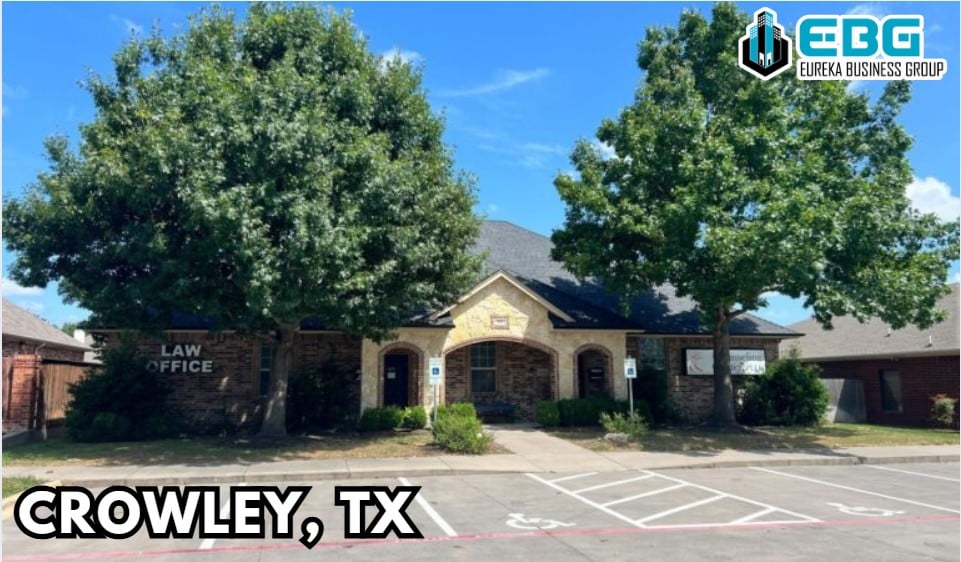
3,500 SF Medical/Office

Why we like it:

*Rare Crowley Medical/Office
* Sale-leaseback or seller will move out
* SBA loan opportunity for owner-users

* Exclusive EBG Listing


Eureka Business Group: Your Retail Navigator; Charting the Course for Retail Growth! 

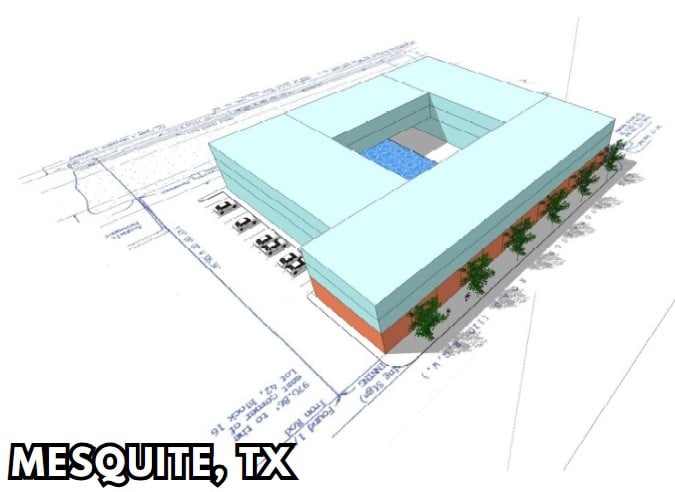
 2.20 AC Mixed Use Lot

Why we like it:

* Mixed-use zoning
* 320′ Gus Thomasson  frontage
* Up to 84 apartments + retail possible
* City supports corridor redevelopment efforts
* Owner financing available

* Exclusive EBG Listing


$2M-$5M


Eureka Business Group: Your Retail Navigator; Charting the Course for Retail Growth! 

 6 AC Unrestricted Land

Why we like it:

*US380 Frontage (383 ft)!
* McKinney ETJ
* On DFW’s hottest growth path!
* Exclusive EBG Listing


Eureka Business Group: Your Retail Navigator; Charting the Course for Retail Growth! 

25,827 SF Retail Center

Why we like it:

* 100% Leased
* Well below replacement cost
* Both tenants been there for over 20 years!


Eureka Business Group: Your Retail Navigator; Charting the Course for Retail Growth! 

4,972 SF Single Tenant Retail

Why we like it:

* 10% Cap Rate!
* Absolute NNN Lease
* Great Location, Huge lot!


Eureka Business Group: Your Retail Navigator; Charting the Course for Retail Growth! 

19,974 SF Retail Center

Why we like it:

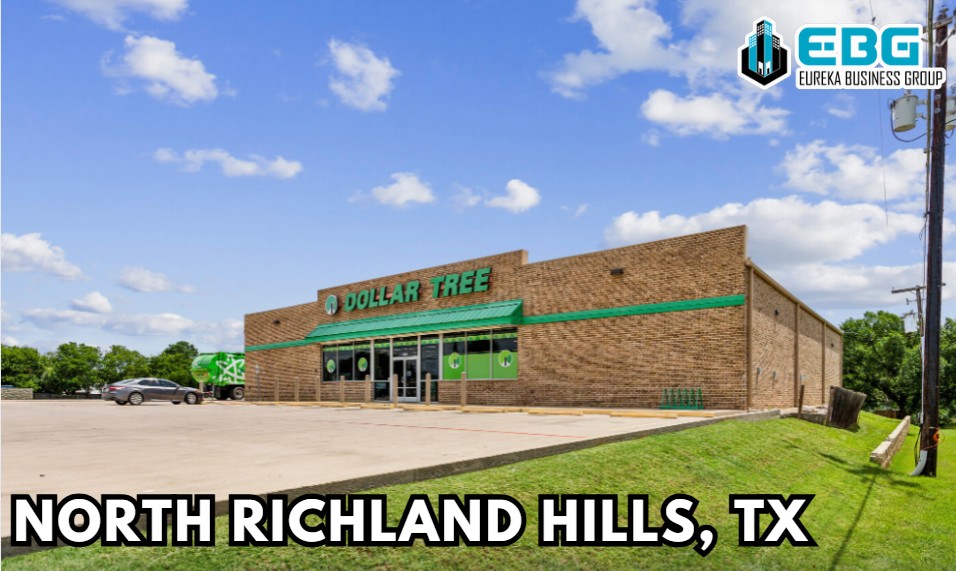
* Dollar Tree Anchor
* 7.5% Cap Rate
* Dense Retail Area


Eureka Business Group: Your Retail Navigator; Charting the Course for Retail Growth! 

32,149 SF Retail Center

Why we like it:

* Value Add opportunity
* Strong in-place cap rate
* Well below replacement cost


Eureka Business Group: Your Retail Navigator; Charting the Course for Retail Growth! 

 5,200 SF Medical building

Why we like it:

* 100% Leased
* Long term Leases
* Melissa is one of the fastest growing cities in the area


Eureka Business Group: Your Retail Navigator; Charting the Course for Retail Growth! 

12,174 SF Retail Center

Why we like it:

* 2020 construction
* 100% Leased
* Strong Tenants


$5M-$10M


Eureka Business Group: Your Retail Navigator; Charting the Course for Retail Growth! 

9,681 SF Retail Center

Why we like it:

* 100% leased with long term leases
* National Brand Tenants
* Located at the entrance to the Texas Motor Speedway!


Eureka Business Group: Your Retail Navigator; Charting the Course for Retail Growth! 

 337 Units Self Storage Portfolio

Why we like it:

* Value Add Opportunity
* 337 Units
* Rents below market


Eureka Business Group: Your Retail Navigator; Charting the Course for Retail Growth! 

20,000 SF Industrial Building

Why we like it:

* Melissa location on Hwy-121
* 7.75% Cap Rate with annual increases
* Minimal Landlord Responsibilities


Eureka Business Group: Your Retail Navigator; Charting the Course for Retail Growth! 

CRE News 04/25/2025

Listen to this week’s hottest Commercial Real Estate News on our podcast


Featured Video


Eureka Business Group: Your Retail Navigator; Charting the Course for Retail Growth!
 
 
Eureka Business Group: Your Retail Navigator; Charting the Course for Retail Growth! 

Joseph Gozlan, Managing Principal

Eureka Business Group

joseph@ebgtexas.com

(903) 600-0616


Eureka Business Group: Your Retail Navigator; Charting the Course for Retail Growth!


About Us


Established in 2008, Eureka Business Group is a full-service commercial real estate brokerage. We specialize in guiding retail investors, retail leaders, franchisees, and business owners through the complexities of retail commercial real estate in the Dallas-Fort Worth market. Whether you’re a seasoned investor, a franchisee ready to expand, or a first-time tenant, we provide expert solutions tailored to your unique goals.


Read More…

Eureka Business Group: Your Retail Navigator in DFW Commercial Real Estate

Sign Up Here

Be the first to learn about lucrative commercial real estate investment opportunities in the DFW market pre-vetted by our CRE experts!

Read More

Commercial Real Estate News – Week of April 25, 2025

Commercial Real Estate News – Week of April 25 2025

Click below to listen: 

Transcript:

 Welcome to the Deep Dive. Today we’re waiting into a pretty complex situation. The US real estate market. Yeah, it’s definitely in a period of flux that’s putting it mildly. Yeah. We’ve got sources looking at the big picture for a commercial real estate, but also a specific snapshot of retail from Q1 2025.

Quite a mix. Our mission here is to pull out the key insights. For you, the learner. We’re especially looking at the distressed side, like office buildings, multi-family housing, trying to help you see the landscape, maybe spot some opportunities without getting totally overwhelmed. Okay. Sounds good.

And it really is a tale of different sectors right now, as you said, commercial office that’s facing some serious headwinds nationally. Yeah, that seems like the big story. But then multifamily housing, it’s much more, varied, depends heavily on where you look and all this is happening while interest rates are still, stubbornly high, even with those Fed adjustments last year.

Let’s dive into the office buildings first. It seems like ground zero for a lot of the turbulence, the whole shift to remote and hybrid work since the pandemic I. That’s really the catalyst, isn’t it? Oh, absolutely. It’s fundamental. Companies are realizing they just don’t need the same amount of space, and frankly, they’re being drawn to newer buildings.

Better amenities. Yeah, maybe better deals too. Exactly. With so much space available, tenants have leverage, especially when looking at, say, class A buildings versus older stock. We saw the national office vacancy rate hit, what was it, 19.8% by the end of 2024, almost 20%. Wow. Nearly one in five offices just sitting empty.

That’s stark. It is stark. And it’s not just older buildings or suburban locations, so they’re often hit harder. It points towards a potential, long-term reshaping of what the office market even looks like. And it’s more than just empty space, right? Yeah. The financial pressure on the landlords must be immense.

Oh, it is. Because even though the Fed cut rates a bit in 24, commercial mortgage rates didn’t really follow suit in a big way. They’re still elevated, still expensive to borrow. Very, and landlords are also facing rising operating costs, utilities, maintenance, taxes, you name it. We’re hearing cases where the rent coming in barely covers those costs before they even think about paying the mortgage.

Oof. So that’s crushed property values. It does. It puts clear downward pressure, which then makes refinancing a massive challenge when those loans mature. So logic would say wave of foreclosures, distressed sales, hitting the market. But the sources suggest that hasn’t really happened. Not on a huge scale anyway.

What’s going on there? It’s this weird kind of standoff, a lot of owners are just holding on, maybe hoping the market turns around, hoping values recover. Buyers meanwhile might be waiting, thinking prices could fall further, and the banks and the lenders. Yeah. They’re often hesitant. Foreclosing is messy.

Managing these properties is costly complex, especially when you’re competing with brand new buildings. So they’re reluctant to officially recognize those losses on their books, so everyone’s waiting each other out. A delicate balance, very delicate, but it means that when deals do happen, they’re often these highly distressed situations or forced sales, and that unfortunately can pull overall pricing down even more.

It’s a tough cycle. But it’s not all doom and gloom everywhere. I think One source mentioned New York City seeing a big jump in office leasing. That’s right. A really significant increase, actually, almost 50% from October 23 to October 24. It really highlights that you can’t paint the whole country with the same brush.

So why NYC? Just a stronger return to office push there. Different industries. It could be a mix of things, certain sectors demanding in-person work, maybe the sheer scale and draw of New York. It shows that strong urban cores, especially for top tier properties, might have a different trajectory. That’s a crucial point.

Location, property class. It all matters. Yeah. And you mentioned the return to office push. Some employers are getting stricter about that, aren’t they? They are. That trend is definitely growing, wanting people back full time, that could certainly help absorb some of that vacant space over time. And there’s another angle too, converting offices to apartments.

I saw New York is looking at rezoning for that. Yes. That’s a really interesting development given how incredibly tight New York’s housing market is. I think the source said vacancy was just 1.4% in October 24. Wow. 1.4%. Yeah. And a shortage of something like half a million homes. So you’ve got this massive oversupply of office space potentially, and this huge undersupply of housing.

The logic for conversion seems pretty compelling there. So for you, the learner listening, yeah, maybe there’s a real opportunity there. Taking empty offices and turning them into needed homes. If you can navigate the complexities, of course, it’s definitely an area smart investors are looking at closely.

Now, if we switch gears to multifamily housing, the picture gets well fuzzier, less uniform distress than an office, right? More regional variation. The sources said. The Northeast seems to be holding up pretty well. Yeah. Rank growth there has been quite strong. Actually. New York City, again, median asking rent was up 2.1% year over year, as of October 24.

What’s keeping it strong there? Just not enough building. Steady demand. Probably a combination. Limited new supply coming online and some of those established markets. Stable local economies and just persistent demand for rental units, but other places. Not so rosy. There was talk about potential rent declines because of a construction boom that started during the pandemic.

Sounds like some cities might get swamped with new apartments. Exactly. And where that new supply is concentrated is key. Austin, Texas is the example. Given median rent there dropped significantly from about oh $4,480 in August 24 down to $1,394. By December 24, that’s a year over year drop of nearly 18%.

Almost unheard of previously. 18% drop. Okay, so that really shows how localized this can be. Too much building in one spot can really hit rents hard. Absolutely supply and demand right down to the neighborhood level sometimes. Yet, despite those headwinds in places like Austin, the sources suggest investors are still buying multifamily, and it might even be a preferred asset in 2025.

How does that square, it suggests investors are being selective. They see the fundamental need for housing long term, but they’re likely focusing on specific markets, maybe specific property types, workforce housing, for example, that seem more stable or have better growth prospects than say. Luxury high rises in an overbuilt area.

Okay. So diligence and local knowledge are absolutely critical there. Always. But especially now, let’s talk about the lenders again for a second. Yeah. Banks and other lenders. What’s their general strategy in this market? The sense is they’re trying to reduce their overall commercial real estate holdings where they can, the old playbook of foreclosing and trying to fix up a struggling property.

It’s just less attractive. Now, why is that More expensive? More expensive? Definitely more complicated. You’re competing with newer buildings. Tenant demand might be lower. It’s harder to turn those assets around successfully. So frankly, they’d rather just avoid having these underperforming loans on their books if possible.

Okay. So if banks are maybe reluctant to foreclose, how do investors actually get into these distressed deals? What are the main ways. There are a few key routes. You can buy the property directly from an owner who’s in trouble maybe before it even gets to foreclosure. You can buy at a foreclosure auction if one does happen, or through a bankruptcy sale.

And another really significant way, as mentioned the source I. Is buying the loan itself from the lender, usually at a discount buying the debt. Okay. Why would an investor do that? What’s the advantage? The big advantage is you get to reset the basis. If you buy the loan for, say, 70 cents on the dollar, your investment is based on that lower amount, which reflects the properties current reality.

Not the inflated value from years ago. Precisely, and then you have options. You can try to work with the existing borrower, negotiate new terms, maybe provide some flexibility that’s a loan workout, or if that doesn’t work, you can proceed with foreclosure yourself, but from a much stronger financial position because you bought the debt cheap.

Got it. Now foreclosure and bankruptcy. They sound legally complex. The source breaks down a few types. Mortgage, foreclosure, UCC, foreclosure, bankruptcy, sales. Can you give us the quick version of the differences? Sure. So mortgage foreclosure is what most people think of the lender. Takes back the actual real estate because the mortgage wasn’t paid.

The process varies by state. Some are faster. Non-judicial states, maybe a few months. Others like New York are judicial, meaning it involves lawsuits and courts and can take, a year or even two. Okay. Quite a difference. What about UCC? UCC foreclosure is a bit different. It targets the ownership interest in the company that owns the property, like the shares and the LLC.

It’s governed by the Uniform Commercial Code, hence UCC. It’s typically much faster, maybe 30 to 90 days faster. Okay. Any catches? A key thing is the lender can credit bid. Basically bid using the debt, the owed. But importantly, whoever buys through a UCC sale usually takes on all the debts tied to that ownership entity, the mortgage, any other liens, taxes, everything.

Ah, so you inherit all the problems potentially, and bankruptcy sales. Those happen within a bankruptcy case. Overseen by a judge can be voluntary, where the borrower agrees or involuntary. A big potential plus for buyers here is the chance to get the property free and clear of existing linen, which the court can approve.

Sometimes faster timelines too. Free and clear. That sounds appealing. It can be. But bankruptcy has its own complexities, of course. So lots of different paths, each with its own rules and risks. If you’re buying the actual property through one of these methods, what are the big legal things to watch out for?

Number one, properties are almost always sold as is where is right. Very limited promises or warranties from the seller. So your own due diligence is absolutely crucial. Meaning, meaning thorough inspections, environmental checks, and especially getting good title insurance and doing a full title search to uncover any leens or claims against the property.

You don’t want surprises later, right? No hidden problems. Exactly. Also, be aware that the current owner or other creditors might try to fight or delay the sale in court. And don’t forget potential real estate transfer taxes, which can be significant depending on the location. Okay? That’s for buying the property.

What if you’re buying the loan instead? What are the key legal checks there? There? Your focus is heavily on the loan documents themselves. The note, the mortgage, any guarantees are they correctly drafted, enforceable. You also still need thorough lien and title searches on the underlying property, even though you’re just buying the paper.

Absolutely, because the property is the collateral securing that paper. You need to know what you’d be getting if you eventually had to foreclose. A challenge can be getting physical access to inspect the property before buying the loan. That’s often limited. Makes sense. So you need protection in the deal itself.

Yes. You want strong protections in your loan purchase agreement. Things like representations and warranties from the selling lender about the loan status, maybe an indemnification clause to cover you if certain things turn out not to be true. It definitely sounds like you need good advisors, lawyers, financial experts, to navigate this.

100%. This is not a DIY space. The source even lays out some key rules for investing here. What are the main takeaways from those rules? First really understand the local market. National trends are one thing, but real estate is local. Analyze how the specific property is doing compared to its competitors.

Second exhaustive due diligence. Look for over-leverage, bad management, hidden liabilities, regulatory issues. Dig deep. Don’t just look at the surface, never. Third. Know what you don’t know. Get experienced professional advice. And finally, understand the nuts and bolts of these distressed transactions. How they work, what can go wrong, what your worst case scenario might be.

Solid advice. Okay, so that covers the distressed commercial side pretty well, but we also have that other report, the one on the retail real estate market for Q1 2025. Sounds like a different story altogether. It is, yeah. A contrasting picture. While office has these deep structural shifts happening, retail seems to be more softening, facing, broader economic headwinds, softening how, what did the Q1 data show?

It showed negative net absorption, meaning more space became vacant than was leased up about 5.9 million square feet nationally. That’s actually the weakest quarter for retail since the start of the pandemic negative absorption. So demand actually shrank in Q1. What’s driving that? A big factor highlighted is tariffs on imported goods.

The expectation is that these will raise costs for retailers, which they might pass on to consumers, exactly, which could lead to higher prices, maybe dampen consumer spending. It also just creates uncertainty for retailers trying to plan inventory, staffing, and investment. The report notes, consumer sentiment, actually dipped pretty low in early April 25 because of these tariff war.

Okay, so tariffs are casting a shadow. Is that showing up in vacancy rates too? Yes, the national retail vacancy rate ticked up slightly to 5.5% in Q1. Still relatively low historically, but up a bit year over year it seems. Neighborhood shopping centers saw the biggest hit in terms of occupancy loss and rents.

Are landlords having to cut rents in retail asking rents were still up slightly year over year, about 2.3% on average nationally, but that growth rate has definitely slowed down, so the upward momentum is fading. It seems so with stores closing the report expects closures to outpace openings and tenants facing those higher costs.

You’d expect more pressure on rent growth going forward. Landlords might have less pricing power, so maybe a tougher time for retail landlords. But does that mean opportunities for tenants? Potentially, yes. If you’re a retailer negotiating a new lease or a renewal, you might find landlords are a bit more flexible, offering better terms or concessions.

Interesting. So the dynamic is shifting. What’s the overall outlook for retail then? According to this report, the outlook is cautious. The market was already cooling a bit before the tariff news, which adds another layer of risk. Retailers themselves are maybe better prepared for disruption after dealing with the pandemic, but it’s still a headwind and vacancy.

Will it keep climbing? It might tick up further. The forecast mentioned potentially reaching 6.0% to 6.5% by early 2026. But one thing limiting a huge spike is that new construction is pretty constrained because building costs are so high so not a flood of new supply coming online to make things worse, right?

That could help stabilize things. Beyond early 2026. If the economy strengthens, maybe things pick up again, but near term it’s a cooler environment. And like with multifamily, I assume retail performance varies a lot by region and type of center too. Oh, definitely. The report likely breaks down those differences.

Some markets doing better, some worse power centers versus malls versus. Neighborhood strips. They all have slightly different dynamics. Granular data is key there too. Okay. This has been incredibly insightful, so let’s try to wrap this up. The US real estate market, definitely a mixed bag right now. That’s the main theme.

Yes, we’ve got major distress in commercial office. Driven by remote work and financial pressures, but that distress might create opportunities, especially these office tour conversion, right? A sector undergoing a real transformation. Then multi-family, much more varied. Some areas strong. Others facing oversupply issues from recent construction requires that a very local focus, very regional, very sub-market specific.

And finally, retail is softening. Not the same structural shift as office, but feeling the pinch from economic factors like tariffs leading to slower rent growth, and maybe some opportunities for tenants, a more cyclical downturn, perhaps exacerbated by current policy and economic conditions. Each sector really dancing to its own tune.

So as we finish this deep dive, here’s a thought to leave you with. The learner. We see these diverging paths. Office and distress, retail, softening office to residential, gaining traction. Looking ahead, what other maybe unforeseen real estate adaptations might emerge as work shopping and living patterns keep shifting.

Could we see completely new types of hybrid spaces or maybe totally different ways of repurposing buildings we haven’t even thought of yet. What’s the next big adaptation? Something to ponder. Definitely a space to watch. The only constant seems to be change. Indeed. Thanks for joining us on the deep dive.

** News Sources: CoStar Group 
Read More
Eureka Business Group: Your Retail Navigator in DFW Commercial Real Estate

EBG Listings of The Week 04-19-2025

EBG Listings of The Week

April 19, 2025

,

As I mentioned before: we have a narrow 14-20 months window where we can pick up NNN assets (mainly Retail and Industrial) at above 7% cap rates. One recent example we saw is an absolute NNN property with a corporate guarantee (Take 5 oil change) trading at over 6% cap rate. We see Starbucks trading at 6%, Dollar Tree at over 8% cap rates and more! 
As we see rates starting to go down with the recent drop of the 5yr treasury, That window will close sooner than everyone realizes…


As in every week, we reviewed all the commercial listings that came on the market and picked the top ones we feel are the best value.

Did you know you can LISTEN to this email?

Under $2M

Eureka Business Group: Your Retail Navigator; Charting the Course for Retail Growth!

5,040 SF Flex Building

Why we like it:

* Strong 8.41% current cap rate
* Low vacancy submarket (4.1%)
* Zero vacancies in four years
* McKinney is one of the strongest submarkets in DFW

Eureka Business Group: Your Retail Navigator; Charting the Course for Retail Growth!

5,400 SF Flex/Industrial

Why we like it:

* New 2024 Construction

* Outside city limits (no zoning restrictions)

* 100% Foam insulated

* Exclusive EBG Listing

Eureka Business Group: Your Retail Navigator; Charting the Course for Retail Growth!

 5,000 SF Medical Building

Why we like it:

* 100% leased long-term tenants
* High-visibility location with 33,000+ VPD
* NNN leases limiting landlord responsibilities

Eureka Business Group: Your Retail Navigator; Charting the Course for Retail Growth!

3,500 SF Medical/Office

Why we like it:

*Rare Crowley Medical/Office
* Sale-leaseback or seller will move out
* SBA loan opportunity for owner-users

* Exclusive EBG Listing

Eureka Business Group: Your Retail Navigator; Charting the Course for Retail Growth!

2,000 SF Retail NNN

Why we like it:

* Brand-new 15-year absolute NNN lease
* 10% rent increases every 5 years
* 49,600 VPD

Eureka Business Group: Your Retail Navigator; Charting the Course for Retail Growth!

 2.20 AC Mixed Use Lot

Why we like it:

* Mixed-use zoning
* 320′ Gus Thomasson  frontage
* Up to 84 apartments + retail possible
* City supports corridor redevelopment efforts
* Owner financing available

* Exclusive EBG Listing

$2M-$5M

Eureka Business Group: Your Retail Navigator; Charting the Course for Retail Growth!

 6AC Unrestricted Land

Why we like it:

*US380 Frontage (383 ft)!
* McKinney ETJ
* On DFW’s hottest growth path!
* Exclusive EBG Listing

Eureka Business Group: Your Retail Navigator; Charting the Course for Retail Growth!

16,200 SF Retail Center

Why we like it:

* 93% occupied with diverse tenant mix
* 7.25% current cap rate potential
* Brookshire’s grocery shadow-anchored location

Eureka Business Group: Your Retail Navigator; Charting the Course for Retail Growth!

2,070 SF Retail NNN

Why we like it:

* Absolute NNN 20-year lease
* 10% rent increases every 5 years
* Walmart Supercenter outparcel
* Recent 2025 renovations

$5M-$10M

Eureka Business Group: Your Retail Navigator; Charting the Course for Retail Growth!

14,966 SF Retail Center

Why we like it:

* Primum Frisco location
* 100% Leased
* Annual Increases to most tenants


Eureka Business Group: Your Retail Navigator; Charting the Course for Retail Growth!

±8,000 SF Absolute NNN

Why we like it:

* Zero landlord responsibilities
* Corporate guarantee
* Annual 2% rent escalations * High visibility location with 54,000 VPD

plus $10M

Eureka Business Group: Your Retail Navigator; Charting the Course for Retail Growth!

43,036 SF Retail Center

Why we like it:

* 100% Leased
* 6.75% cap rate
* Rents below market
* Strong location

Eureka Business Group: Your Retail Navigator; Charting the Course for Retail Growth!

CRE News 04/11/2025

Listen to this week’s hottest Commercial Real Estate News on our podcast

Featured Video

Eureka Business Group: Your Retail Navigator; Charting the Course for Retail Growth!

Joseph Gozlan, Managing Principal

Eureka Business Group

joseph@ebgtexas.com

(903) 600-0616

Eureka Business Group: Your Retail Navigator; Charting the Course for Retail Growth!

About Us

Established in 2008, Eureka Business Group is a full-service commercial real estate brokerage. We specialize in guiding retail investors, retail leaders, franchisees, and business owners through the complexities of retail commercial real estate in the Dallas-Fort Worth market. Whether you’re a seasoned investor, a franchisee ready to expand, or a first-time tenant, we provide expert solutions tailored to your unique goals.


Read More…

Eureka Business Group: Your Retail Navigator in DFW Commercial Real Estate

Sign Up Here

Be the first to learn about lucrative commercial real estate investment opportunities in the DFW market pre-vetted by our CRE experts!

Read More

Commercial Real Estate News – Week of April 18, 2025

Commercial Real Estate News – Week of April 18 2025

Click below to listen: 

Transcript:

 Okay. So you’ve handed us a really interesting collection of commercial real estate news this time, all from mid-April 2025. Yeah. Quite a snapshot, and as I’m looking through it, the, the big picture that emerges for me is one of a market that’s definitely it’s in flux. Flux is a good word, dynamic.

Maybe even a bit uncertain dynamic feels like an understatement, right? There’s a real sense of things shifting, retail office spaces even how lending is happening and all against this backdrop of, potential tariff changes and these inflation worries that just won’t quit. Exactly. So our mission here, is to try and pull out the crucial bits, connect these dots, and hopefully give you the listener a clearer picture of what’s actually going on, and importantly, why it matters.

Okay, let’s dive in. Starting with retail, it’s always so visible, good places to start. What really jumped out at me was this contrast. In the department store world, you’ve got the ongoing story, Macy’s, JCPenney, closing stores. We’ve seen that for a while. Yeah, that’s not exactly new news.

But then you have Boscovs, this chain from Pennsylvania. They’re actually going the other way. Expanding, opening their 51st store. Is it up near Rochester, New York? Yeah. The mall at Grease Ridge and creating 250 jobs. That feels like a pretty significant statement when so many others are pulling back.

It really is, and it makes you wonder what are they doing differently? What’s their strategy? The articles point to a few things. First, this real emphasis on like actual customer service on the floor with a large staff. They mentioned hiring over a hundred experienced people just for this new location.

Yeah. Which signals a real belief in that, human touch and retail in an age where everything’s pushing online. That commitment to the in-store experience. It could be a key differentiator. Maybe it shows that focusing on that physical experience can still work. Totally. And it seems like they’re not afraid to lean into some of that older retail charm either.

Like they kept their candy section. I saw that. Apparently it’s a genuine draw for people. Bit of nostalgia Maybe I. Could be, plus being smaller, private family owned it. It seems to give them more agility. They can micro-target their marketing locally. That nimbleness is huge and that local focus really shows up in things like their sports apparel sections.

Oh yeah, the article mentioned their Deford Mall store stocking specific gear for Philly teams, Penn State. Temple, Villanova, Penns, even local high schools. Ah, so really embedding themselves in the community that builds loyalty. Exactly. Deep local connection. And it seems to be paying off. They had that bankruptcy back in oh eight, right?

I remember reading about that. But they seem to have turned it around by focusing on these core suburban markets and they, strategically offloaded some smaller spots owned by Macy’s Smart, and now they’re doing what, $1.2 billion across 50 stores. Seems like they found their niche. They really seem to have, but it’s important, like you said, to contrast this with the wider picture For sure.

Yeah, because while Bosca is expanding the broader retail landscape, it’s still facing some pretty big headwinds. We’re still seeing those high profile bankruptcies, store closures. Party City, Joanne. Big Lots, Rite Aid. The list goes on. Yeah. It paints a picture of a really uneven playing field out there.

Definitely. And it’s pushing landlords, forcing them to adapt. We’re seeing reports they have to offer more concessions now what does that mean exactly? Like lower rent? Yeah, things like that. Lower initial rent, maybe rent free periods to start, help with build out costs. Basically sweetening the deal to get tenants in the door.

Okay. Some are even splitting up those big empty boxes, the old department store spaces for smaller places like quick service restaurants or turning old banks into clinics. I saw that mentioned to you. Exactly. It just shows how much that traditional retail model is being, shaken up. It really does, but even in that struggling group.

There are maybe some glimmers of hope, like big lots, right? They’re apparently on the comeback trail reopening nine stores in the south, part of a bigger plan, right? Like 55 stores by early June. Yeah, something like that. And this is after their bankruptcy in 2024. So getting new financing. Reinvesting in physical stores.

That’s significant. It suggests bankruptcy isn’t always the final chapter. Not at all. We’re seeing variety wholesalers too. They own Roses. Super 10 also reopening stores after their restructuring. I. So maybe a chance for a reset if they fix the underlying problems potentially. Yeah. And then you look at the Giants like Walmart, they’re not pulling back from physical stores, are they?

No. That deal with sign value for digital billboards at thousands of stores over 5,000. Yeah. That’s a clear investment in keeping those physical spaces relevant, engaging customers while they’re actually there. Contrast that though, with the children’s place. Okay. What do they do? They seem to be going smaller.

Focusing on smaller store formats, sometimes putting them right next to Gymboree locations. Ah, like a side-by-side strategy. And this is after they cut down their total store count quite a bit. Yeah. And they’re pushing that premium quality angle for Gymboree. So carving out a more specific niche.

Maybe feels like it. Yeah. Okay. So yeah, you’ve got expansion, attempted comebacks, and then this kind of strategic retrenching. Lots of different plays happening. Definitely not a one size fits all situation in retail. Not even close. Now, one result of all this churn is more empty storefronts. Yeah. And it seems like old bank branches are growing.

Part of that problem makes sense with digital banking taking over. The article said it takes, what, six to 12 months on average to lease out a vacant bank space. That’s a long time for a space to sit empty. It is, and it’s leading to some well interesting potential policy ideas like this California proposal Senate Bill 7 89.

The idea to tax landlords for vacant storefronts like $5 per square foot per year, if it’s empty for more than half the year. Yeah. 182 days or more. Okay. So the goal is pretty clear. Push landlords to fill those spaces, reduce blight, maybe raise some funds for things like housing. That’s the argument for it.

Yeah. But there are definitely counter arguments like penalizing landlords for things maybe outside their control market downturns or. Just legitimately needing time to find the right tenant. Not just any tenant. Exactly. And the concern that landlords might just pass that tax cost onto their existing tenants in other properties through higher rents, which doesn’t really solve the vacancy problem, does it?

Not directly. And didn’t San Francisco try something similar already? Yeah. The article mentions that a vacancy tax that apparently didn’t have a huge impact. So these kinds of policies, even if they sound good, can have complex results. Depends a lot on the local market. It’s a tough balance, revitalizing areas without hurting property owners unfairly.

And speaking of struggling areas, that contest in San Francisco. Oh yeah. For ideas to fix up Market Street, it sounds like despite past efforts banning cars, tax breaks, they’re still dealing with high vacancies, low foot traffic. It really highlights that fixing these areas isn’t just about the buildings themselves.

It’s tied to the whole economic vibe, yeah. Attracting businesses, shoppers. It’s a bigger challenge, especially with changing habits, which brings us neatly to those broader economic factors hanging over everything, right? This article, cooling inflation offers cold comfort for uncertain consumers.

It says the CPI actually fell slightly in March. I. First drop since May, 2020. Yeah, a tiny dip, minus 0.1% on the surface. Sounds like good news. What? But the article points out, it’s not really boosting confidence. People still expect high inflation according to those surveys from University of Michigan and the New York Fed.

Okay? And there are still big worries about tariffs, how they might hit spending down the road. So even if the official number dips, the feeling out there is still uncertain pretty much. And it’s not just consumers. The producer Price index, the PPI that tracks costs for businesses, right? It shows input costs are still rising, which could eventually mean, higher prices for us anyway.

And the article mentions construction firms specifically seeing higher costs, which feeds right back into commercial real estate, makes new, builds, big renovations, more expensive, potentially causing delays. Okay, so you’ve got inflation worries, tariff, uncertainty, and that connects to Prologis, the big industrial player.

Exactly. They’re reportedly cutting back on some growth plans, specifically citing trade policy uncertainty. I. Wow. So that uncertainty isn’t just talk. It’s actually affecting major investment decisions. Seems like it tariffs remain this big question mark. Yeah, there’s another piece here just on the impact of Trump’s tariffs on US manufacturing kind of complex, right?

Some suspended, but maybe more action later. Total uncertainty for businesses trying to plan long term and there’s no consensus on whether they even help or hurt manufacturing overall. Some companies holding back investment because they just don’t know what’s coming. Makes sense, but. The flip side is if terrorists do encourage more domestic production, then you need more industrial space warehouses.

Factories, precisely. It sounds like Prologis, despite being cautious overall, is still seeing pretty strong demand from tenants. So maybe link to companies thinking about reshoring or nearshoring could be part of it. Fundamental need for logistics space seems strong even with the broader caution. I. Okay, let’s pivot to office space.

That’s been such a huge story since the pandemic. Definitely. We’ve got an article saying, office attendance, nears post pandemic. High average around 54%, maybe a bit higher in places like Chicago, Houston, Dallas, Austin. Yeah. Seeing higher rates in some of those Sunbelt cities, it seems, and it feels like more companies are pushing for more in-office time.

Amazon, Starbucks. At and t Dell. Yeah. All mentioned as increasing requirements. That’s definitely the trend. A gradual pushback towards the office, which could mean demand for office space starts to stabilize, maybe even tick up in some markets. But then there’s the cost issue again, that piece on construction materials costs climb a 9.7% annualized jump in the first quarter.

Yeah. Driven by lumber, steel, copper. That’s significant has to impact new office builds or major refits, right? Absolutely. Higher costs can mean delays, cancellations, or just rethinking plans altogether. So companies want people back, but building or upgrading the space is getting more expensive. Creates tension.

And we even saw that Caterpillar is calling workers back five days a week. Seems like a broad push across different industries. And it’s not just private companies shaping the office market. The federal government’s making big moves too. Oh yeah. Over 15 million square feet of federal property coming to the market.

That’s huge. That is a massive amount of space. And the key details seems to be where it’s coming from. Mostly lower quality buildings, like two and three star properties. Yeah, a disproportionate share. Which suggests landlords owning those types of buildings might feel the pain more, more vacancy pressure on rents, especially in the DC area where a lot of these cancellations are concentrated.

I. Big impact potentially for that specific market segment. And then there’s this other twist, a new directive telling federal agencies to prioritize suburban locations for new office space. Whoa. Okay. That’s a shift. Real estate pros look for signs of federal offices heading to suburbs. It’s basically reversing the old guidelines that favor downtowns that could really reshuffle the deck.

The federal government is such a huge tenant. Shifting demand out to the suburbs could be a big boost for suburban office markets. May less so for some downtown, potentially very significant, could affect property values, vacancy rates, the whole nine yards in both areas. Okay, so retail and office. Lots of moving parts.

What about the money side? Lending Investment? There’s an article, CRE, lenders Banking on Deal Momentum. Sounds like lenders are feeling a bit more optimistic. Why is that? Seems driven by more deals actually happening late last year and early this year. More transaction activity. Okay, so maybe the log jam is breaking a little.

Seems like it. And the article mentions credit is available, lenders are competing. Those are generally positive signs for market health. Capitals are flowing and that positive feeling extends to multifamily, too. Multifamily buyer and seller sentiment improves in Q1. Yeah, A slight uptick in sentiment for both buyers and sellers for core and value add properties.

Although concerns about interest rates are still there, it says. Absolutely. Rate volatility is still a big factor hanging over things. The piece probably digs into how IRR targets and cap rates are shifting in different markets. The financial metrics investors watch closely. Yeah. And there’s also a piece focusing on Freddie Mac’s small balance loans, emphasizing how important smooth financing is for those smaller multifamily investors.

Crucial part of the housing market. Those smaller landlords definitely. So yeah, pockets of optimism and lending and multifamily. Even with caution elsewhere shows how segmented the market is. It really does. And finally, just to add one more interesting wrinkle, let me guess. The pickleball quartz you saw too why new warehouses include pickleball, quartz, and food halls Uhhuh.

Yeah. It really shows how even industrial real estate is changing, trying to attract and keep tenants by offering amenities just like modern offices do. Exactly. It’s becoming a more competitive market, so landlords are thinking about the employee experience, even in warehouses, making them more than just boxes, pickleball, courts, and warehouses.

Definitely a sign of the time. It really is. Yeah. Reflects that need to make these places desirable work environments. After digging through all this, it’s it’s crystal clear, like you said at the start. The commercial real estate market right now is incredibly complex, deeply interconnected too. Resilience like with boscov’s and retail, but alongside those broader retail struggles and adaptations and huge shifts in office space driven by company policies and government moves.

Then cautious optimism in lending, despite those background worries about inflation and tariffs. A real mix. So as we wrap this up for you, the listener, here’s something to maybe mull over considering all these different paths, retail office lending, industrial amenities. Where might the unexpected opportunities pop up or the unexpected challenges say, in the next year and a half?

Yeah. How does this complicated mix of consumer choices, government actions, and global economics actually play out on the ground in our local economies? Definitely a lot to keep watching. I.

** News Sources: CoStar Group 
Read More
Eureka Business Group: Your Retail Navigator in DFW Commercial Real Estate

EBG Listings of The Week 04-12-2025

EBG Listings of The Week


April 12, 2025


We’re seeing the first wave of multifamily assets coming on the market these days. In the last 3 weeks we’ve seen more multifamily assets go  on the market than we’ve seen in the last 6 months and they keep coming. That said, asking prices are still not realistic enough to warrant jumping into the MF water just yet in our opinion though!
We anticipate that there will be more of that and they will turn from the “we really should sell it now” mode we’re seeing now into distressed asset and receivership sales over the next few months. 

I’ll repeat what I said before: We have a narrow 14-20 months window where we can pick up NNN assets (mainly Retail and Industrial) at above 7% cap rates. That window will close sooner than everyone realizes. 

As in every week, we reviewed all the commercial listings that came on the market and picked the top ones we feel are the best value.


Did you know you can LISTEN to this email?


Under $2M


Eureka Business Group: Your Retail Navigator; Charting the Course for Retail Growth! 

13,535 SF Retail Center

Why we like it:

* Value Add Opportunity

* Recently vacated after long term tenantship
* Low price/SF


Eureka Business Group: Your Retail Navigator; Charting the Course for Retail Growth! 

7,900 SF Retail Center

Why we like it:

* Destination town for vacations

* Over 7% cap rate

* 100% leased


Eureka Business Group: Your Retail Navigator; Charting the Course for Retail Growth! 

5,400 SF Flex/Industrial

Why we like it:

* New 2024 Construction

* Outside city limits (no zoning restrictions)

* 100% Foam insulated

* Exclusive EBG Listing


Eureka Business Group: Your Retail Navigator; Charting the Course for Retail Growth! 

16 Units Multifamily

Why we like it:

* Munger street location

* Fully Renovated

* High demand rental area


Eureka Business Group: Your Retail Navigator; Charting the Course for Retail Growth! 

3,500 SF Medical/Office

Why we like it:

*Rare Crowley Medical/Office
* Sale-leaseback or seller will move out
* SBA loan opportunity for owner-users

* Exclusive EBG Listing


$2M-$5M


Eureka Business Group: Your Retail Navigator; Charting the Course for Retail Growth! 

 6AC Unrestricted Land

Why we like it:

*US380 Frontage (383 ft)!
* McKinney ETJ
* On DFW’s hottest growth path!
* Exclusive EBG Listing


Eureka Business Group: Your Retail Navigator; Charting the Course for Retail Growth! 

±22,033 SF Retail Center

Why we like it:

* Value Add Opportunity

* Only 61% leased
* Dense retail area


Eureka Business Group: Your Retail Navigator; Charting the Course for Retail Growth! 

9,572 SF Retail Center

Why we like it:

* 100% Leased

* 7% cap rate

* One dark unit


$5M-$10M


Eureka Business Group: Your Retail Navigator; Charting the Course for Retail Growth! 

18,530 SF Retail Center

Why we like it:

* Mansfield market is booming

*  2018 Construction

* Shadow anchored by Market Street grocery


Eureka Business Group: Your Retail Navigator; Charting the Course for Retail Growth! 

CRE News 04/11/2025

Listen to this week’s hottest Commercial Real Estate News on our podcast


Listen Now


Featured Video


Eureka Business Group: Your Retail Navigator; Charting the Course for Retail Growth!
 
 
Eureka Business Group: Your Retail Navigator; Charting the Course for Retail Growth! 

Joseph Gozlan, Managing Principal

Eureka Business Group

joseph@ebgtexas.com

(903) 600-0616


Eureka Business Group: Your Retail Navigator; Charting the Course for Retail Growth!


About Us

Established in 2008, Eureka Business Group is a full-service commercial real estate brokerage. We specialize in guiding retail investors, retail leaders, franchisees, and business owners through the complexities of retail commercial real estate in the Dallas-Fort Worth market. Whether you’re a seasoned investor, a franchisee ready to expand, or a first-time tenant, we provide expert solutions tailored to your unique goals.

Read More…


Eureka Business Group: Your Retail Navigator in DFW Commercial Real Estate

Sign Up Here

Be the first to learn about lucrative commercial real estate investment opportunities in the DFW market pre-vetted by our CRE experts!

Read More

Commercial Real Estate News – Week of April 11, 2025

Commercial Real Estate News – Week of April 11, 2025

Click below to listen: 

Transcript:

 Welcome to the deep dive. If you’re here, it’s because you wanna cut through all the noise, the endless information, and just get to what matters. Exactly. No endless scrolling needed. We we extract the key insights for you, and this week we’ve got a really interesting mix. It’s all commercial real estate news, focusing on the week of April 11th, 2025.

And our mission, as always is to make sense of it all. Connect the dots between these headlines for you. Give you that clear understanding fast, right? Think of it as, sifting through everything, the tariff talk, economic indicators, big property deals, highlighting the connections. Yeah, the key takeaways.

We’ll touch on potential tariff hikes consumer confidence, some major deals, specific company moves the whole picture. Okay? So let’s dive right in then. Tariffs definitely a huge topic this week. Me too. China reportedly raising tariffs on some US goods to 125%. That’s significant. It really is. And it’s not just a number in a trade report, is it?

No, exactly. How does something like that actually. Hit the commercial real estate world here. What was fascinating potentially is how this could speed up a trend. We’re already seeing companies rethinking global supply chains, right? The whole reshoring or French shoring idea, bringing manufacturing closer.

Precisely. And for our listeners, that could mean more demand for industrial real estate. Factories, warehouses, yeah. Especially in certain areas. Areas with good infrastructure. Transport links. Exactly. But. There’s a flip side to, it could create vulnerabilities if those new supply chains aren’t quite robust yet.

Logistics challenges. Okay, that makes sense. So it’s not just prices going up, it’s potentially reshaping where things get made, stored, moved, yeah. Affecting warehouses, factories, hubs, definitely. And then there was, trump’s proposal about undocumented workers in farming and hotels. That feels quite different.

But I guess it connects back to real estate too. Absolutely. It does. Think about those sectors, agriculture, hospitality, they rely heavily on this workforce. Sure. So if labor availability changes drastically, it hits operational costs, profitability even. So for farms, maybe it changes how land is used or invested in, could do.

And for hotels, especially in certain markets, you might see pressure on wages, maybe even service levels, impacting occupancy if they can’t staff properly. It really shows how policy decisions over here can ripple into property values and operations. Over there. It’s all interconnected. And speaking of hospitality, we also caught wind of the Marriott, CEO.

Sounding pretty bullish. Yeah, that was interesting. Especially with these, potential economic clouds gathering. So what should we make of that confidence? Is it just Marriott or a major player like Marriott, seeing strong demand is definitely positive for hotel owners, for investors, shows, travel’s holding up for now at least.

Sure. But you have to ask, is that optimism across the board or is it. Maybe concentrated like luxury travel, doing well while budget options feel the pinch if inflation keeps biting. Good point. The hotel market isn’t just one thing and need to look deeper. Okay, let’s shift gears some specific deals.

The Sheridan, Dallas, huge hotel here in Texas looking to refinance about $300 million. That’s a big number. It is. What does that refinancing tell us? The scale itself, 300 million for what? Over 1800 rooms. It just highlights the massive financial weight behind these big hotels. So getting the loan is good news.

Yeah. Shows confidence. It could suggest lender confidence. Yeah. Yeah. In that property, it’s management. But it also points to the significant debt loads many large hotels are carrying, which raises questions exactly with economic uncertainty. How sustainable is that? If travel dips or rates stay high, it might maybe create opportunities later if some properties face distress, something for investors to watch.

Interesting perspective. Okay. On the buying side, Singapore’s SE capital, they picked up a hotel in Kagoshima Japan. Always interesting seeing that international capital flow. What’s the significance? Cross-border investment like this often signals where investors see value or potential growth globally.

So SE capital sees something in Japan’s hotel market. Apparently so could be rising tourism or recovering economy. There maybe just better risk adjusted returns compared to elsewhere. Right now it shows how linked these global markets are. Got it. Okay. Back stateside, retail news, big lots. Ah, yes. The comeback story seems like it.

New ownership planning to reopen over 200 stores. That sounds. Bold for brick and mortar these days is bold, but it’s a great example of how established brands, even in discount retail can find new energy. They must see unmet demand. That’s the bet, right? That they’ve found a niche, a strategy to capture shoppers in their sector.

It reminds us the physical retail story isn’t just doom and gloom. There are opportunities if you adapt. And speaking of adapting Ikea finally opening in Dallas proper. Yeah. At the shops at Park Lane, but a smaller concept store that feels key. The smaller format for a giant like Ikea to do that and finally be in the city.

It’s really interesting. It could be a strategic shift, reaching urban consumers who won’t trek out to the huge suburban stores or maybe testing the waters. Offering easier access could be both testing markets, complimenting the big boxes. It shows how major retailers are playing with formats to fit changing habits.

Urban living. That could influence what kind of retail spaces are needed in cities. Definitely could. And sticking with North Texas seems like there’s a real push for transit oriented projects. 2D Yeah. Richardson, Garland, Addison. All promoting sites near the Dart Light rail. I. Using that existing infrastructure seems smart.

It’s a big trend in growing metro areas. Build homes, offices, shops around transit hubs, makes things more walkable, sustainable, and boosts property values nearby. Generally, yes. People in businesses pay for that convenience, that access. It’s a long-term play shaping how the area grows. Okay, let’s zoom out a bit.

Broader economy inflation looks like it cooled slightly. March CPI at 2.4% annually, yes, down a bit from February. That’s, generally seen as good news. People are watching that closely, but there are caveats, right? Always. Housing costs are still sticky, keeping overall inflation up and analysts warned those new tariffs we talked about could push prices back up again.

Encouraging, but potential headwinds remain. Okay. And employment jobless claims actually ticked up. They did 223,000 for the week ending April 5th. A slight increase after things were pretty stable. Not worrying sign well when week isn’t a trend, but it’s something to watch. Could be an early sign of softening.

Oxford economics noted. The labor market’s still okay for the Fed’s current stance, but if claims keep rising, they might rethink things possibly. And they also mentioned a potential link again between tariffs in a weaker job market, which could delay any rate cuts. It’s all tangled together. Trade jobs, fed policy.

We also saw US manufacturing activity dipped in March. Fell back below that expansion line, right? The ISM index back below 50. Yeah. After a couple months above it, that could be another sign of cooling. Maybe some reaction to trade uncertainty. So manufacturers seeing less demand. That’s what an ISM below 50 usually suggests, and that can ripple out.

Affect demand for industrial space. Transport the whole supply chain. Okay, one more broad indicator. CEO turnover apparently up 11% in February, especially in tech and government, nonprofit. Yeah, that’s noteworthy. High turnover at the top can signal uncertainty about the future or big strategic shifts happening.

So maybe challenges or big changes in tech and government, nonprofit sectors could be, and that might indirectly affect their real estate needs, right? Maybe consolidation, rethinking office space. Okay. Let’s zoom back in specific companies, US cellular. Big layoffs announced thousands of jobs. Yeah. Yeah. As that T-Mobile acquisition moves ahead, that’s gotta have real estate fallout.

Oh, definitely. Big mergers often do US cellular will likely need less office space. Other facilities, especially around their Chicago HQ, where their lease is apparently up soon too, shows how corporate moves hit local CRE markets directly. Then there’s Amazon planning another what, $15 billion warehouse expansion.

15 billion. Just underscores the relentless demand for e-commerce fulfillment. It is been driving industrial growth for years and looks set to continue. Seems so though. It was interesting. They reportedly looking for capital partners for some projects, maybe sharing the risk given the huge scale. And the article mentioned potential headwinds from tariffs on construction materials too.

Yeah, another connection back to trade policy impacting costs. Okay. And Dave and Busters. Doing more sale lease backs this year. Leveraging their property assets. Can you just quickly explain what that is? Sale lease back? Sure. Basically, they sell a property, they own one of their venues to an investor.

Okay. And then immediately they lease it back. So they still operate there, but they don’t own the building anymore. Why do that? It unlocks cash tied up in the real estate. They can use that money for their main business, upgrades, expansion, whatever, and they offload being a landlord, maintenance taxes that goes to the new owner.

That gives them financial flexibility. Exactly. The fact they’re doing more suggests they like the strategy. I. Got it. Okay. Let’s look at some regional trends. Dallas-Fort Worth apartment rents, they edged up first quarter they did, but the growth rate slowed and some neighborhoods actually saw rents dip.

So a mixed picture. What’s driving that? It seems like a rebalancing. DFW is still dynamic. Rents are up overall, but slower. Growth, some declines. It suggests all the new supply, the new apartment buildings might be catching up with demand in certain spots. More competition among landlords. Starting to look that way.

Still growing, but maybe moderating a bit. Okay. Meanwhile, down in Houston, an office campus in the energy corridor found a buyer after facing foreclosure. Yeah, that’s interesting. Houston’s office market has had its challenges. So positive sign, maybe it could be a tentative sign, a stabilization, maybe renewed interest in certain parts of the market, but it’s also, a stark reminder of the pressure on some office properties, work patterns changing.

Tenant demand shifting depends on the price it’s sold for the buyer’s plans. Exactly key things to watch there and the build to rent trend. Just keeps rolling, doesn’t it? It really does hit a new high in the US in 2024. Completions, big jump here over year and Texas. DFW Houston leading the Way big time.

Texas is a hotspot. Why is it so popular now? Build to Rent single family homes. Several things. Affordability issues in buying a house. Push people to rent. Some demographics just prefer renting the flexibility and they like new homes, modern amenities, but without the ownership commitment.

Makes sense. And Texas has the population growth and relatively friendly development environment. Perfect storm for bill to rent. Okay. A unique Dallas story. Next, the Neiman Marcus downtown flagship. Ah, the saga continues. Looks like it’s staying open through the holidays, at least the city agreed to accept the land underneath as a donation.

The really interesting arrangement shows that complex interplay, doesn’t it? Iconic retailer city wanting a vibrant downtown, the value of the actual land. So the city taking the land donation means they’re committed to keeping it open. It suggests a commitment from both sides to find a way. Yeah, short term fix, maybe paves the way for something longer term.

Very unique situation. Definitely. Okay. Lastly, infrastructure. North Texas. Moving ahead with Lake Ralph Hall, new Reservoir. Crucial project. Fanning County seems essential for a region growing like North Texas. Absolutely long-term growth needs reliable water. It’s fundamental for housing, for businesses.

Big infrastructure like this supports the future real estate landscape. Make sure the resources are there. Wow. So you really see it when you lay it all out. Even just one week’s news. So many connections. It’s not just isolated deals, is it? It’s the economy policy, consumer shifts, all shaving the market terrorists influencing manufacturing locations impacting industrial space, right?

Economic signals pointing to shifts that affect investment everywhere from hotels to shops, infrastructure paving the way for what comes next. It all weaves together. It really does. Yeah. Underscores why you need to see that bigger picture. Which kind of brings us to the final point. Something for you, our listener, to think about.

Given all this, the tariff uncertainties, the mixed economic signals. Some strength, some weakness. The busy real estate activity like hotel refinancing, retail adapting, TOD focus, build to rent, booming. What are the big opportunities or maybe the biggest challenges for businesses, for communities in the next few months?

Yeah. What do you see emerging from this mix? I. Think about how these trends might connect with things you follow. Tech advancements, changing work and shopping. Consumer shifts maybe towards sustainability. What’s happening specifically where you are. Keep these connections in mind as you navigate your own world.

Thanks for taking this deep dive with us.

** News Sources: CoStar Group 
Read More
Eureka Business Group: Your Retail Navigator in DFW Commercial Real Estate

EBG Listings of The Week 04-05-2025

EBG Listings of The Week

April 05, 2025

,

As I mentioned last week, we are seeing an uptick in commercial real estate transactions closing. We’re seeing properties that have been on the market for over a year, finding buyers and closing. Interest rates settling below the 6.5% mark are also a big contributing factor!


As in every week, we reviewed all the commercial listings that came on the market and picked the top ones we feel are the best value.

Did you know you can LISTEN to this email?

Under $2M

Eureka Business Group: Your Retail Navigator; Charting the Course for Retail Growth!

14,400 SF Self Storage

Why we like it:

* Remotely managed!

* 96 units

* Over 7% cap on actuals

Eureka Business Group: Your Retail Navigator; Charting the Course for Retail Growth!

5,400 SF Flex/Industrial

Why we like it:

* New 2024 Construction

* Outside city limits (no zoning restrictions)

* 100% Foam insulated

* Exclusive EBG Listing

Eureka Business Group: Your Retail Navigator; Charting the Course for Retail Growth!

1,269 SF Freestanding Retail

Why we like it:

* Bitesize investment

* Very high traffic road

* Strong tenant in place

Eureka Business Group: Your Retail Navigator; Charting the Course for Retail Growth!

3,500 SF Medical/Office

Why we like it:

*Rare Crowley Medical/Office
* Sale-leaseback or seller will move out
* SBA loan opportunity for owner-users

* Exclusive EBG Listing

$2M-$5M

Eureka Business Group: Your Retail Navigator; Charting the Course for Retail Growth!

5,715 SF Single Tenant NNN

Why we like it:

* Zero Landlord Responsibilities

* Annual Rent Escalations

* Strong operator (85 locations)

Eureka Business Group: Your Retail Navigator; Charting the Course for Retail Growth!

±4,000 SF Single Tenant NNN

Why we like it:

* 7.25% cap rate!

* Zero Landlord Responsibilities

* 14 years remaining on lease

Eureka Business Group: Your Retail Navigator; Charting the Course for Retail Growth!

 6.09 AC Unrestricted Land

Why we like it:

*US380 Frontage (383 ft)!
* McKinney ETJ
* On DFW’s hottest growth path!
* Exclusive EBG Listing

Eureka Business Group: Your Retail Navigator; Charting the Course for Retail Growth!

36 Units Multifamily

Why we like it:

* Denton is a strong market

* Walking distance to UNT

* Newer construction (98-08)

Eureka Business Group: Your Retail Navigator; Charting the Course for Retail Growth!

9,660 SF Retail Center

Why we like it:

* Over 7% cap rate on actuals

* 100& Leased

* Over 31,000 VPD!

$5M-$10M

Eureka Business Group: Your Retail Navigator; Charting the Course for Retail Growth!

 9,919 SF Medical Building

Why we like it:

* Most affluent area in Plano!

* Long term lease in place

* Newer construction (2019)

Eureka Business Group: Your Retail Navigator; Charting the Course for Retail Growth!

10,641 SF STNL Child Care

Why we like it:

* Rare Addison asset

* 7.3% cap rate

* Zero landlord responsibilities

Eureka Business Group: Your Retail Navigator; Charting the Course for Retail Growth!

CRE News 04/04/2025

Listen to this week’s hottest Commercial Real Estate News on our podcast

Featured Video

Eureka Business Group: Your Retail Navigator; Charting the Course for Retail Growth!

Joseph Gozlan, Managing Principal

Eureka Business Group

joseph@ebgtexas.com

(903) 600-0616

Eureka Business Group: Your Retail Navigator; Charting the Course for Retail Growth!

About Us

Established in 2008, Eureka Business Group is a full-service commercial real estate brokerage. We specialize in guiding retail investors, retail leaders, franchisees, and business owners through the complexities of retail commercial real estate in the Dallas-Fort Worth market. Whether you’re a seasoned investor, a franchisee ready to expand, or a first-time tenant, we provide expert solutions tailored to your unique goals.


Read More…


Eureka Business Group: Your Retail Navigator in DFW Commercial Real Estate

Sign Up Here

Be the first to learn about lucrative commercial real estate investment opportunities in the DFW market pre-vetted by our CRE experts!

Read More

Commercial Real Estate News – Week of April 04, 2025

Commercial Real Estate News – Week of April 04, 2025

Click below to listen: 

Transcript:

 Welcome to the Deep Dive. This week we’re taking a look at the really dynamic world of commercial real estate, specifically the news that broke, during the week of April 4th, 2025. Ah, and what’s really interesting this week is how we’re seeing signs of both continued investment and maybe some potential headwinds on the horizon, right?

We’ve got a collection of reports looking at everything from where investors are putting their money. Despite some well interesting bond market activity to how shifts in consumer spending and new tariffs could impact the retail landscape and even where job growth is actually happening across the country.

Yeah. And plus we’ll explore how some like. Iconic buildings are being reimagined. A few notable shifts in the office space, market, and even the ripple effects of rising insurance costs. Exactly. Our goal here is really to go beyond just the headlines. We wanna connect the dots between these seemingly disparate pieces of information and really understand the underlying trends.

Shaping commercial real estate, and maybe more importantly, we wanna give you a clearer picture of what these developments mean for the broader economy and your understanding of it. Okay. So let’s dive right into where the smart money seems to be going. The investment landscape. It’s, a little counterintuitive perhaps.

How since the Federal Reserve started lowering short-term interest rates last September, the 10 year treasury yield has actually climbed right by early January. It had jumped by over a percentage point from that September high, even though the Fed had cut those short-term rates by the same amount.

What’s going on there? Yeah. It’s a fascinating situation, isn’t it? Yeah. Typically, you might expect long-term rates to follow the trend of short-term rates. But the fact that the 10 year treasury yield has risen despite the Fed’s easing. It suggests a couple of key things.

The market is anticipating. Like what? It often signals an expectation of stronger economic growth in the future. Potentially leading to increased borrowing and thus pushing long-term rates higher, almost independent of the immediate short-term rate adjustments. Okay. So despite this like slightly unusual bond market behavior, the reports we’re looking at indicate that we can still anticipate increased investment in commercial real estate.

What’s fueling that confidence then? The underlying expectation of continued relatively strong economic growth is a pretty significant driver. Uhhuh. Despite some of the challenges we’ll probably touch on later, many investors still see positive momentum in the overall economy. Okay. And additionally, the prospect of ongoing large government budget deficits.

That can sometimes make real estate, particularly income generating properties seem like an attractive investment, maybe as a potential hedge against inflation, right? So for many. These fundamental economic factors seem to be outweighing the concerns related to, bond market fluctuations.

Okay, that makes sense. Let’s move to something that hits a bit closer to home for all of us, how we’re spending our money and what that means for the retail sector. Yeah. The National Retail Federation, the NRF is forecasting retail sales growth for 2025 to be somewhere between 2.7% and 3.7%. Now on the surface, that sounds like growth, which is good, right?

Yeah, it does. But how does that compare to what we’ve seen in recent years? That’s a really crucial question to ask. While you know any growth is generally welcome, this projected range does indicate a potentially more moderate pace of growth compared to the well. Often stronger figures we saw in the immediate post pandemic period.

Okay. Several factors are contributing to this more cautious outlook, and one of the big clouds on the horizon seems to be tariffs. There’s talk of new tariffs potentially leading to higher prices and creating more general economic uncertainty. How significant of an impact could these tariffs really have on what we pay for goods?

Yeah. The expectation is that these tariffs will indeed translate to price increases for. A wide array of consumer goods. And when you combine that with existing inflationary pressures and the fact that many consumers have already started being more selective, kind of trading down to less expensive options, right?

We’ve seen that these new tariffs could really put a squeeze on household budgets and further limit overall consumer spending power, even with a relatively healthy job market. These tariffs are definitely posing a challenge for both consumers and businesses. And we’re hearing about a new set of tariffs announced by President Trump targeting products from China, Canada, and Mexico.

That sounds like it could really disrupt things for retailers, doesn’t it? It certainly could. The retail industry operates on these really complex global supply chains. Yeah. And these tariffs are expected to create disruptions in those established networks. The most immediate effect will likely be an increase in the cost of goods imported from these countries.

Now whether retailers absorb those costs or pass ’em on to consumers, in the form of higher prices, that remains to be seen, but either way, it puts pressure on the industry. Yeah, it sounds like the retail folks aren’t exactly celebrating this news. The NRF and other retail associations have apparently voiced some strong concerns.

What are they particularly worried about? Their primary worry centers on the potential negative consequences for businesses, particularly smaller retailers who often have less leverage in their supply chains compared to, the larger corporations. Makes sense. They anticipate that these tariffs could lead to a decrease in overall sales growth as consumers become more hesitant to make purchases because of rising prices.

And there’s also concern about retaliatory tariffs from other countries, which could further complicate international trade. That knock on effect. It’s interesting though, to note that some retailers seem to have been anticipating this to some extent. The reports mentioned companies like Target and Macy’s have already been taking steps to reduce the reliance on imports from China, so they saw the writing on the wall.

That’s a keen observation. Yeah. Recognizing the potential for increased tariffs, particularly on goods from China. Some of the larger retailers have been proactively diversifying their sourcing strategies. They’ve been exploring alternative suppliers in other countries to lessen their exposure and, mitigate the potential cost increases associated with tariffs on Chinese imports.

Yeah, it’s a strategic move really to try and build more resilient supply chains. Smart. Okay. Let’s switch gears now and talk about where people are finding work. We’ve heard a lot about the Sunbelt being a major hub for job growth since the pandemic began. Is that still the dominant trend? The data definitely confirms that initial trend.

Yeah. The Sunbelt region, states like Texas, Florida, North Carolina, Georgia, they did experience the most significant surge in job creation in the five years following the start of the COVID-19 pandemic. Remarkably, these four states alone accounted for almost half of all the new jobs added across the entire nation between February, 2020 and February, 2025.

Wow. Almost half. That’s a pretty significant concentration of job growth in just one region, but the reports suggest that this growth might be starting to spread out a bit more now precisely. While the Southern and Western states continued to show strong job growth in 2024, the rate of that growth has moderated somewhat.

Okay. And what’s interesting is that. We’re seeing more widespread job creation across other regions of the country too. So including the Northeast, the Midwest, and even states like Louisiana. It suggests a broader recovery and expansion across different economic areas. That’s good to see other parts of the country participating more in job growth.

The report specifically highlights New York’s job market recovery as being quite notable. What’s behind that? Positive trend there. Yeah. New York’s recovery has indeed been impressive. It ranked sixth nationally in terms of the percentage increase in jobs, and second in just the sheer number of net new jobs added.

Wow. A key engine driving this resurgence has been the professional services sector that’s seen significant growth in hiring within the state, so areas like finance. Tech consulting, legal services. Okay. On the other hand though, it seems like the federal government job market has seen a bit of a downturn.

Federal government payrolls are down and the District of Columbia has been particularly affected. What’s the story there? Since February of last year, federal government payrolls have decreased. By about 1.5% nationwide. And the District of Columbia, with its, high concentration of federal agencies and employees has experienced a more pronounced impact from these job cuts.

Yeah. This could be attributed to various factors, maybe budget adjustments. Shifts in government priorities, or even the sort of long-term effects of remote work policies that were put in place during the pandemic. Okay. Let’s move on to something a little different, the realm of experiential retail.

There’s this company called Level 99 that’s expanding nationally, and it sounds like it offers a pretty unique entertainment experience. What can you tell us about them? Yeah. Level 99 is an intriguing newcomer in the entertainment industry. They’re focused on creating these immersive social entertainment experiences that go beyond, traditional offerings like movie theaters or arcades.

Their concept centers around really large venues. We’re talking over 45,000 square feet, ah, capacity for over a thousand players at a time. Wow. Filled with interactive challenge rooms, and it’s all complimented by a full service bar and restaurant. They have ambitious plans looking to open around four new locations annually.

Their fifth location is actually set to open at Disney Springs in Florida, interactive challenge rooms in a massive space. That sounds like a significant departure from the usual entertainment options. What kind of demand are they hoping to tap into? They’re aiming to capitalize on the increasing consumer desire for more active and engaging entertainment experiences.

Instead of just passively consuming entertainment. Guests at level 99 pay for a block of time to explore the venue and participate in a really wide range of mental and physical challenges. It’s designed to be very social and interactive, encouraging, collaboration, and a bit of friendly competition.

Interesting concept. Now let’s take a look at the office space market. We’re seeing some notable moves from some major companies. Wells Fargo, for instance, is planning to vacate its downtown Fort Worth Power. Where are they planning to relocate? So Wells Fargo’s plan is to move into a new mixed use development called the offices at Clear Fork.

The move is anticipated in 2026 when the project’s finished. Okay? But interestingly, they are also in the process of building a really substantial office campus out in Irving, Texas that’s expected to house around 4,000 employees. 4,000. Wow. Yeah. So it appears they’re strategically shifting their office footprint within the Dallas-Fort Worth metro area.

Okay. And we’re also seeing that LegalZoom is looking to sublease its office space in Austin, Texas. That seems like a pretty significant change for them. What’s driven that decision? LegalZoom’s move to sublease their Austin office space. It’s part of a broader strategic realignment of their operations.

This includes closing a regional hub in Texas and opening a new facility out in California. So it’s really clear illustration of how companies are reevaluating their office space needs and adopting more flexible work models in the post pandemic environment. Many are just finding they need less traditional office space than they did before.

Yeah, that trend continues. Speaking of Austin, there’s some interesting data emerging about the apartment market there, and also in San Antonio, it seems like the demand for new apartments is currently strongest in the suburban areas. That’s right in the central Texas region. So covering both Austin and San Antonio, new apartment buildings located in suburban areas are experiencing faster lease up rates compared to those in the downtown course.

Downtown Austin, despite often featuring, high-end amenities and premium pricing is actually seeing slower absorption rates and increasing vacancy in its newly constructed apartment inventory. But it sounds like downtown San Antonio’s apartment market is performing differently. Yes.

Interestingly, the multifamily market in downtown San Antonio is actually demonstrating stronger performance in terms of how quickly new units are being leased compared to its suburban areas. Oh, interesting. This suggests maybe a different dynamic in renter preferences there with downtown living, holding a stronger appeal in San Antonio than perhaps in Austin right now.

San Antonio is also undergoing a significant surge in high-rise construction, primarily concentrated downtown. That suggests a long-term belief in the revitalization of the city’s urban center, doesn’t it? Absolutely. The current wave of high-rise development in downtown San Antonio represents the second largest such boom in the city’s history.

Wow. This focus construction activity really reflects a sustained trend of investment and revitalization efforts aimed at enhancing the downtown area as a vibrant destination for residents, workers, and visitors. Okay. We also saw that Foot Locker is making a pretty significant move, leaving its New York City headquarters and heading south to Tampa Bay, Florida.

It sounds like cost considerations are a major factor in that decision. Yeah, foot Lockers specifically cited cost benefits and a desire to refocus on their core retail business as the primary reasons behind their decision to relocate their corporate headquarters from New York City to a smaller and presumably more cost effective space in Tampa Bay.

Ah, it’s another example of a company’s strategically evaluating its real estate needs and making choices based on operational efficiency and, financial. Considerations Right now let’s explore how existing retail properties are adapting to the changing landscape. We’re seeing some really fascinating transformations of historic department store buildings.

The Mazen Blanche in New Orleans is one example. What’s become of that iconic structure? The Mazen Blanche Building. Yeah. A historically significant department story in New Orleans. It’s undergone a remarkable adaptive reuse project. It’s been beautifully restored and reopened as a Ritz-Carlton hotel.

Oh wow. Yeah. It’s a prime example of how these large, often architecturally significant retail spaces can be creatively reimagined and given a new purpose in a completely different sector, really contributing to the revitalization of urban areas. That’s great to see On a well, somewhat less positive note for a longstanding brand, Huns has filed for bankruptcy.

What are their plans for the future? Yeah. Hooters has indeed filed for bankruptcy protection and is planning to transition towards a franchise focused business model. Okay. The strategic shift is intended to address their current financial challenges and also to adapt to evolving consumer preferences within the casual dining sector.

By emphasizing franchising, they likely aim to reduce their direct operational costs and leverage the local market knowledge and investment of franchisees. Makes sense. It seems like even convenience stores are evolving beyond just being a quick stop for gas and snacks. They’re increasingly expanding their food service offerings and even their store sizes.

That’s a key trend we’re observing. Yeah. Convenience stores are increasingly positioning themselves as a kind of go-to destination for fresh ready-made meals. They’re investing in expanding their kitchen facilities and store layouts to accommodate more extensive food preparation and offerings.

They’re really aiming to capture the growing consumer demand for convenient and maybe higher quality food options on the go. And even a retail giant like Walmart is getting more involved in this space with plans to open or remodel a significant number of fuel centers across its network. That sounds like it could create some serious competition for traditional convenience stores.

It doesn’t need. Walmart’s increased focus on its fuel centers, including both developing new locations and renovating existing ones. It signals a growing level of competition within the convenience retail sector. I. Particularly in areas like fuel and potentially prepared food and convenience items too, right?

Their scale and existing customer base give them a pretty significant competitive advantage there. No doubt. We’re also seeing a shift in the amount of available retail space, particularly in those large like anchor size locations. It sounds like there’s been a noticeable increase in vacant big box stores.

What’s driving that trend? Yeah. The amount of available retail space in those larger anchor tenant size boxes has definitely increased over the past year. This is largely a result of recent store closures by several major retailers. Okay. Currently, neighborhood and power centers, which typically rely on these larger anchor stores to draw traffic, are experiencing the most significant impact from these closures and the resulting decrease in demand for those large bases.

Let’s touch on some of the new development projects that are in the pipeline. Collin County and North Texas continues to experience significant growth and there’s a 42 acre mixed use development planned in Lucas. What can you tell us about that? Yeah. This development in Lucas really underscores the ongoing expansion in the suburban areas of North Texas, right?

The 42 acre project is planned to be anchored by a Tom Thumb grocery store, and it’ll also include a mix of restaurant and retail spaces as well as a community park. With construction slated to begin later this year. It’s a clear indicator of the continued investment in growth in these rapidly developing communities north of Dallas.

Okay. Fort Worth is also seeing its share of new development activity. Transwestern is planning a 10 acre mixed use project there. What are the details on that one? Transwestern’s plans for a 10 acre mixed use development in Fort Worth, which will incorporate both residential and retail components. It signifies continued development momentum in that part of the Dallas-Fort Worth Metroplex, Uhhuh.

These types of projects aim to create more dynamic and walkable, urban or suburban environments, combining living and commercial spaces. And even with some of the potential economic uncertainties we’ve discussed, San Antonio seems to have a number of significant development projects underway. Still that’s accurate.

Yeah. San Antonio is currently experiencing considerable development activity across various sectors, so industrial facilities, multifamily residential complexes, mixed use developments. This suggests a sustained level of confidence in the region’s long-term growth prospects, and a continued flow of investment despite potential broader economic headwinds.

Okay, finally, let’s discuss an issue that’s directly impacting commercial property owners. The rising cost of insurance. It sounds like lenders are increasingly requiring what’s called force placed insurance. What exactly does that entail? Yeah. The increasing cost of insurance are becoming a really significant concern for commercial real estate owners Nationwide.

Lenders are increasingly requiring this force placed insurance right, which is coverage. The lender purchases on behalf of the borrower when the borrower’s own insurance coverage lapses. Or maybe doesn’t meet the lender’s specific requirements. Yeah. The critical issue here is that this forced placed insurance can be significantly more expensive, sometimes several times the cost than the insurance a borrower could get independently on the open market.

Oh, yeah. So this adds another layer of financial strain for property owners, particularly those already dealing with debt service and other rising operating expenses. So to bring it all together, you’ve seen this week how we have this interesting duality, strong investment activity persisting alongside growing concerns about consumer spending, especially with the potential impact of new tariffs.

Uhhuh Joe growth, while still robust in the Sun, bill is showing signs of broader distribution across the country, and the retail and office sectors are clearly in a state of. Constant evolution. Yeah. From the emergence of these immersive entertainment concepts to the creative reuse of historic buildings and even the transformation of your local convenience store, and we can’t overlook the added financial pressures coming from tariffs and escalating insurance costs.

And what’s particularly striking is how interconnected all these factors really are. The investment landscape is influenced by expectations of economic growth. Which in turn is heavily reliant on consumer spending. Yeah. Shifts in job markets, impact where people live and work, which then affects the demand for both residential and commercial real estate.

And these large scale economic trends are playing out in very tangible ways. From the closure of a major retailer to the opening of a new mixed use development in a growing suburb. Considering these really diverse and sometimes well contradictory trends from massive institutional investments to individual store closures and the impact of both national economic policies and very local development projects.

What do you think is the single most significant force that will shape the future of commercial real estate in the coming year? That’s a big question. It is, and perhaps more importantly for us as individuals. How might these ongoing shifts ultimately reshape the communities we live in and the daily lives we experience?

It certainly gives you a lot to consider. Thanks for taking this deep drive with us.

** News Sources: CoStar Group 
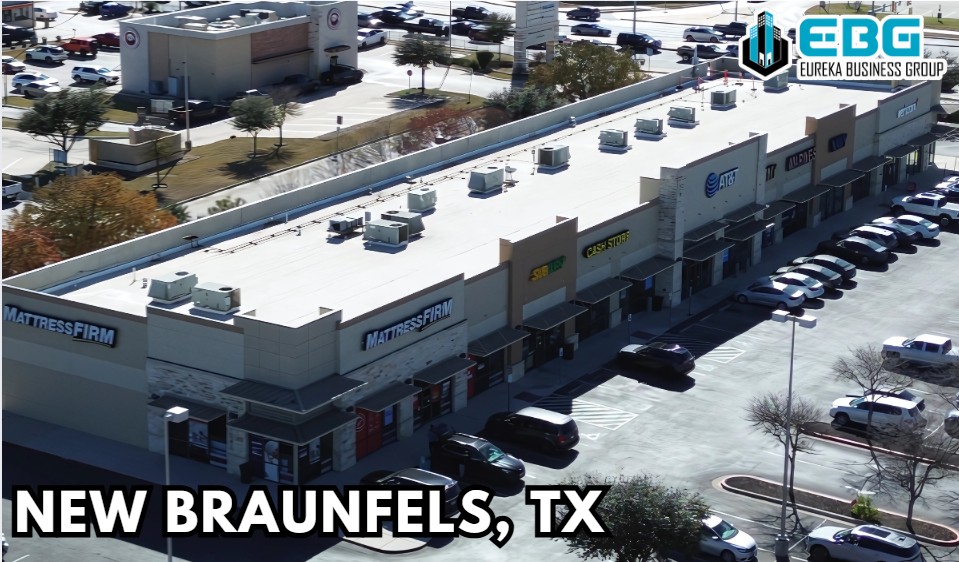
Read More
Eureka Business Group: Your Retail Navigator in DFW Commercial Real Estate

EBG Listings of The Week 03-29-2025

EBG Listings of The Week


March 29, 2025


The Commercial real estate market is definitely heating up. December reported over 40% increase in volume year over year and the first quarter of 2025 is at about 30% increase over Q1 2024!
Leading the charge are Retail and Industrial!

As in every week, we reviewed all the commercial listings that came on the market and picked the top ones we feel are the best value.


Did you know you can LISTEN to this email?


Under $2M


Eureka Business Group: Your Retail Navigator; Charting the Course for Retail Growth! 

±3,420 SF Office/Medical

Why we like it:

* Great Location
* Flexible Zoning
* Allen is a growing affluent market. 


Eureka Business Group: Your Retail Navigator; Charting the Course for Retail Growth! 

3,500 SF Medical/Office

Why we like it:

*Rare Crowley Medical/Office
* Sale-leaseback or seller will move out
* SBA loan opportunity for owner-users

* Exclusive EBG Listing


Eureka Business Group: Your Retail Navigator; Charting the Course for Retail Growth! 

±1 AC Commercial Lot

Why we like it:

* Celina is one of the hottest markets in the metro!
* Just a turn off Preston Rd.
* Very strong demographics 


Eureka Business Group: Your Retail Navigator; Charting the Course for Retail Growth! 

 ±5,755 SF Deep Ellum Asset

Why we like it:

* Hottest neighborhood in Dallas
* Open floor plan 
* Rare asset in Deep Ellum


$2M-$5M


Eureka Business Group: Your Retail Navigator; Charting the Course for Retail Growth! 

 6.09 AC Unrestricted Land

Why we like it:

*US380 Frontage (383 ft)!
* McKinney ETJ
* On DFW’s hottest growth path!
* Exclusive EBG Listing


Eureka Business Group: Your Retail Navigator; Charting the Course for Retail Growth! 

±8,280 SF Asset & Business

Why we like it:

* Low Impact business (Laundromat)
* Strong cashflow from business and rents
* Dense population area


Eureka Business Group: Your Retail Navigator; Charting the Course for Retail Growth! 

7,108 SF NNN Medical Center

Why we like it:

* 100% leased
* Very affluent population
* Annual rent escalations


Eureka Business Group: Your Retail Navigator; Charting the Course for Retail Growth! 

35,570 SF 377Hwy frontage

Why we like it:

* Long term play!
* Premium Hwy-377 frontage 
* Long term lease in place until it’s time to redevelop


$5M-$10M


Eureka Business Group: Your Retail Navigator; Charting the Course for Retail Growth! 

36 Units Multifamily

Why we like it:

* Newer build (2017)
* Denton is a growing market
* Value add in lease-up


Eureka Business Group: Your Retail Navigator; Charting the Course for Retail Growth! 

7,399 SF Single Tenant Retail

Why we like it:

* Iconic restaurant operating at location for over 40 years!
* strongest retail location in Uptown Dallas
* Legacy investment!


$10M plus


Eureka Business Group: Your Retail Navigator; Charting the Course for Retail Growth! 

52,732 SF Retail Center

Why we like it:

* Value Add Opportunity
* 85.5% Leased
* In-Place cap rate: 7%


Eureka Business Group: Your Retail Navigator; Charting the Course for Retail Growth! 

±25,638 SF Government tenant

Why we like it:

* Annual rent escalations
* Government Tenant!
* 7% cap rate


Eureka Business Group: Your Retail Navigator; Charting the Course for Retail Growth! 

20,013 SF Retail Center

Why we like it:

* Affluent suburb of Houston
* 100% Leased
* 2023 Build
* Annual rent escalations


Eureka Business Group: Your Retail Navigator; Charting the Course for Retail Growth! 

CRE News 03/28/2025

Listen to this week’s hottest Commercial Real Estate News on our podcast


Listen Now


Featured Video


Eureka Business Group: Your Retail Navigator; Charting the Course for Retail Growth!
 
 
Eureka Business Group: Your Retail Navigator; Charting the Course for Retail Growth! 

Joseph Gozlan, Managing Principal

Eureka Business Group
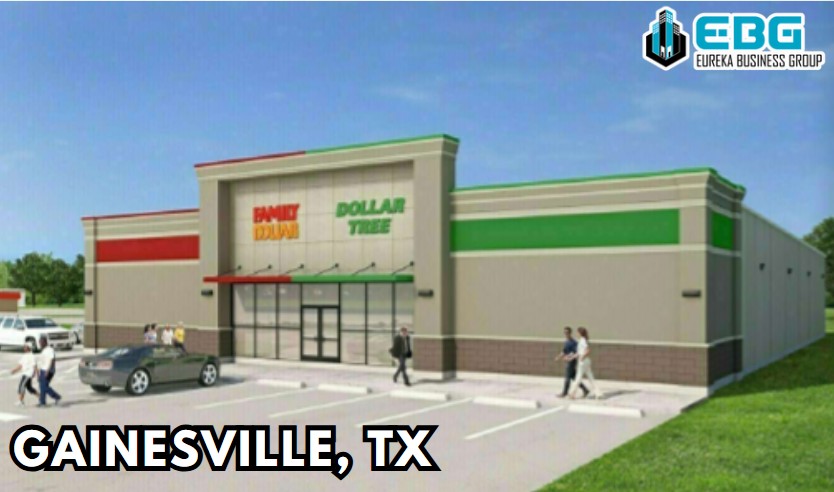
joseph@ebgtexas.com

(903) 600-0616


Eureka Business Group: Your Retail Navigator; Charting the Course for Retail Growth!


About Us

Established in 2008, Eureka Business Group is a full-service commercial real estate brokerage. We specialize in guiding retail investors, retail leaders, franchisees, and business owners through the complexities of retail commercial real estate in the Dallas-Fort Worth market. Whether you’re a seasoned investor, a franchisee ready to expand, or a first-time tenant, we provide expert solutions tailored to your unique goals.
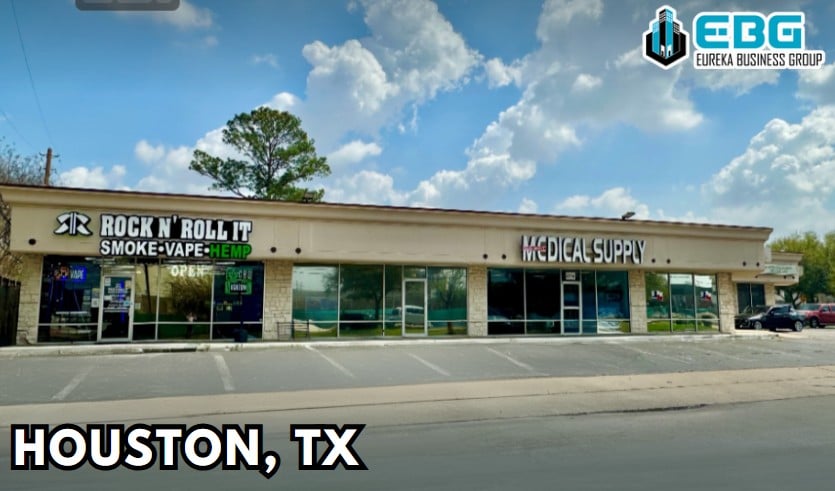
Read More…


Eureka Business Group: Your Retail Navigator in DFW Commercial Real Estate

Sign Up Here
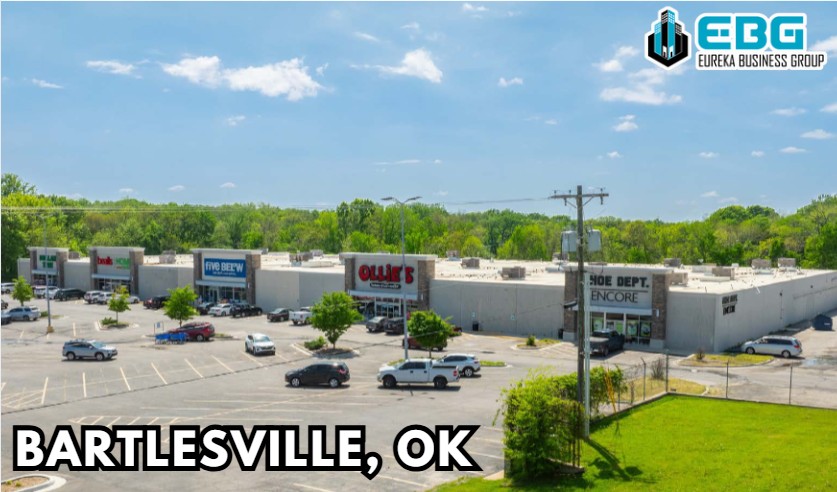
Be the first to learn about lucrative commercial real estate investment opportunities in the DFW market pre-vetted by our CRE experts!

Read More