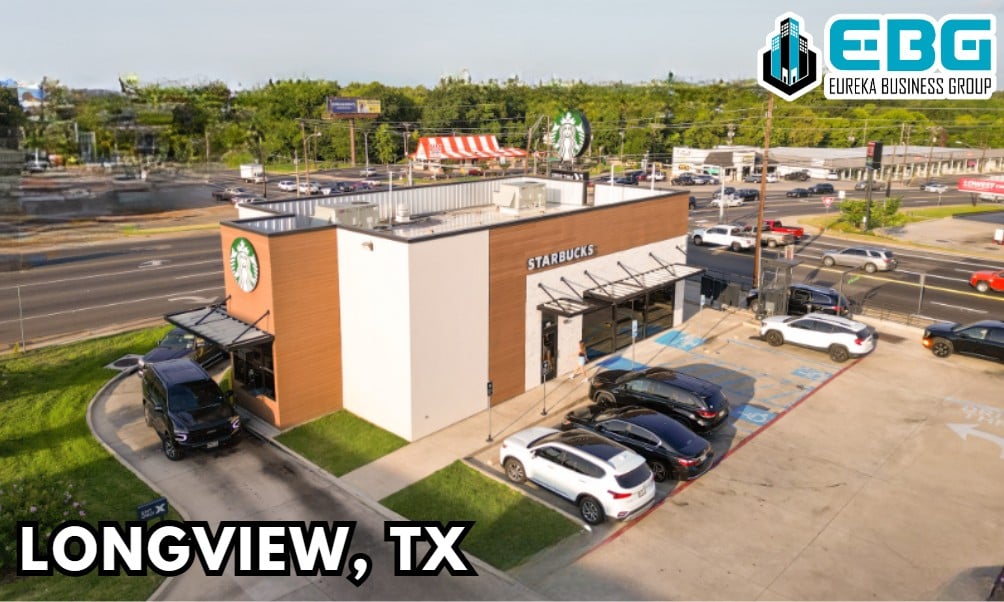
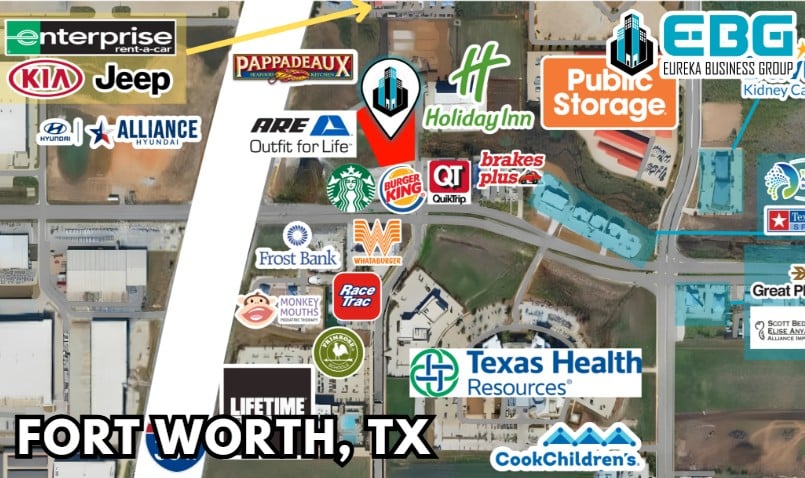
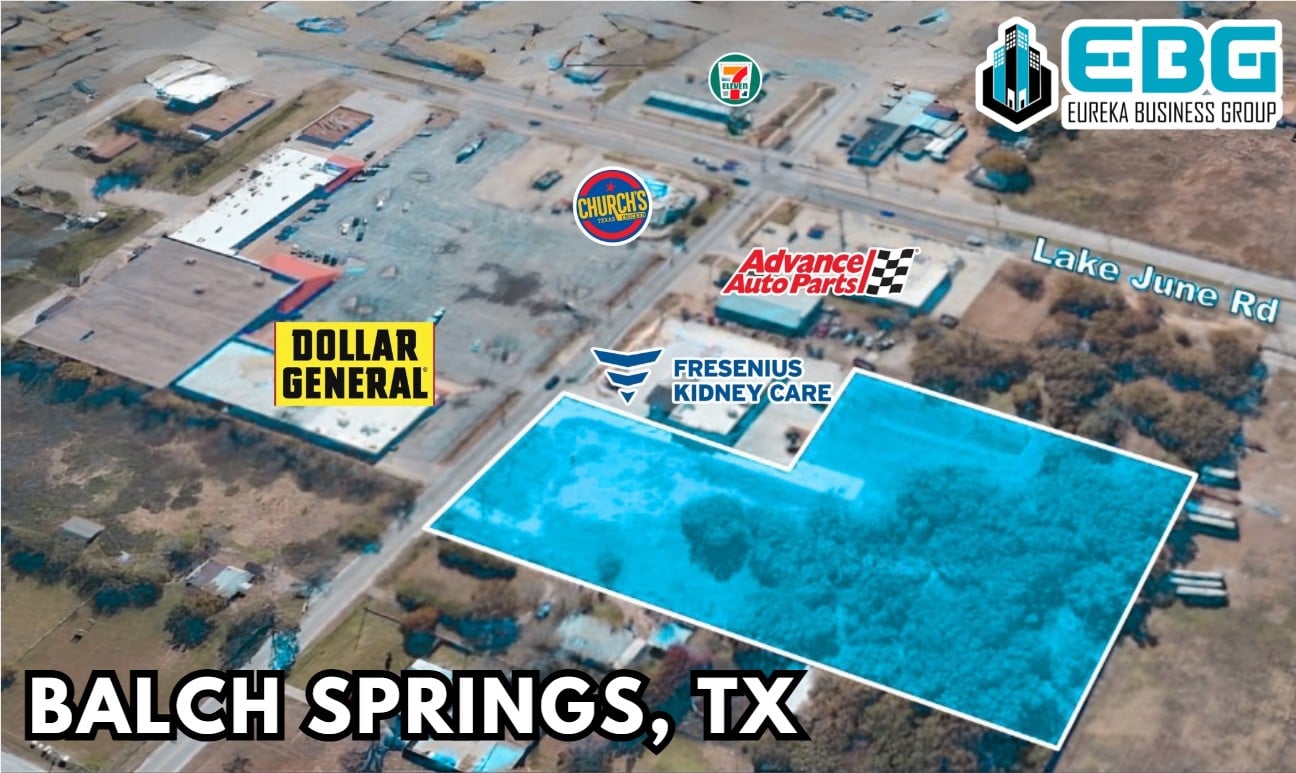
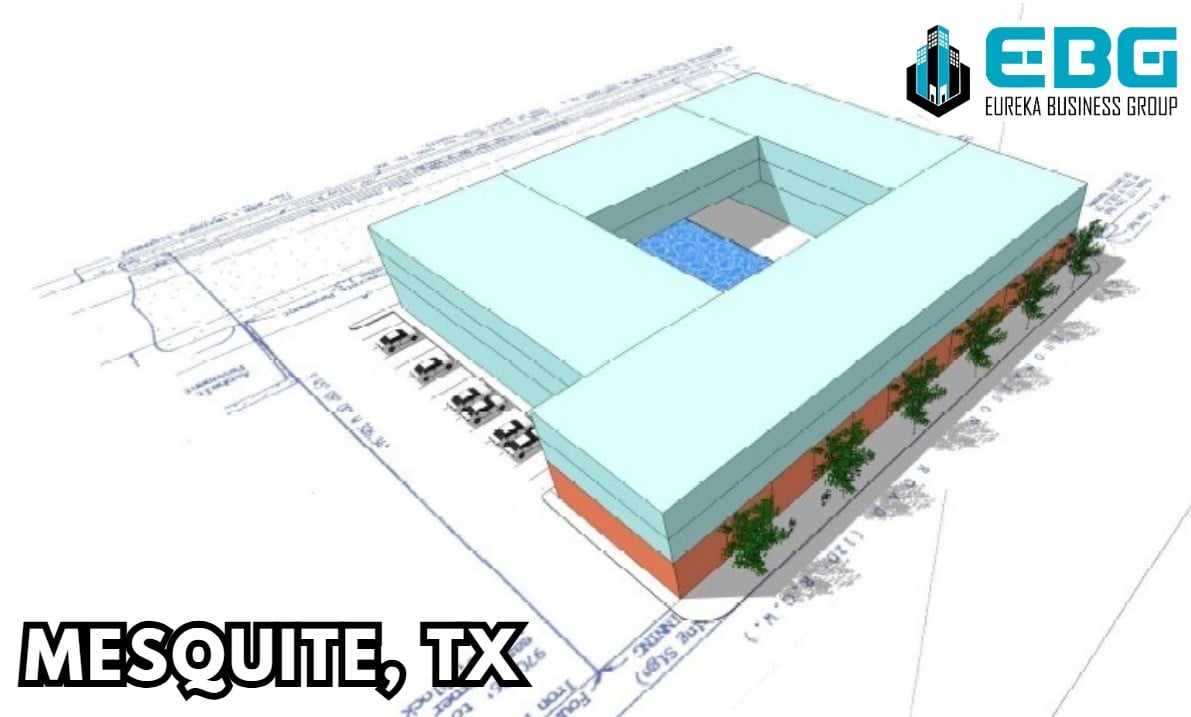
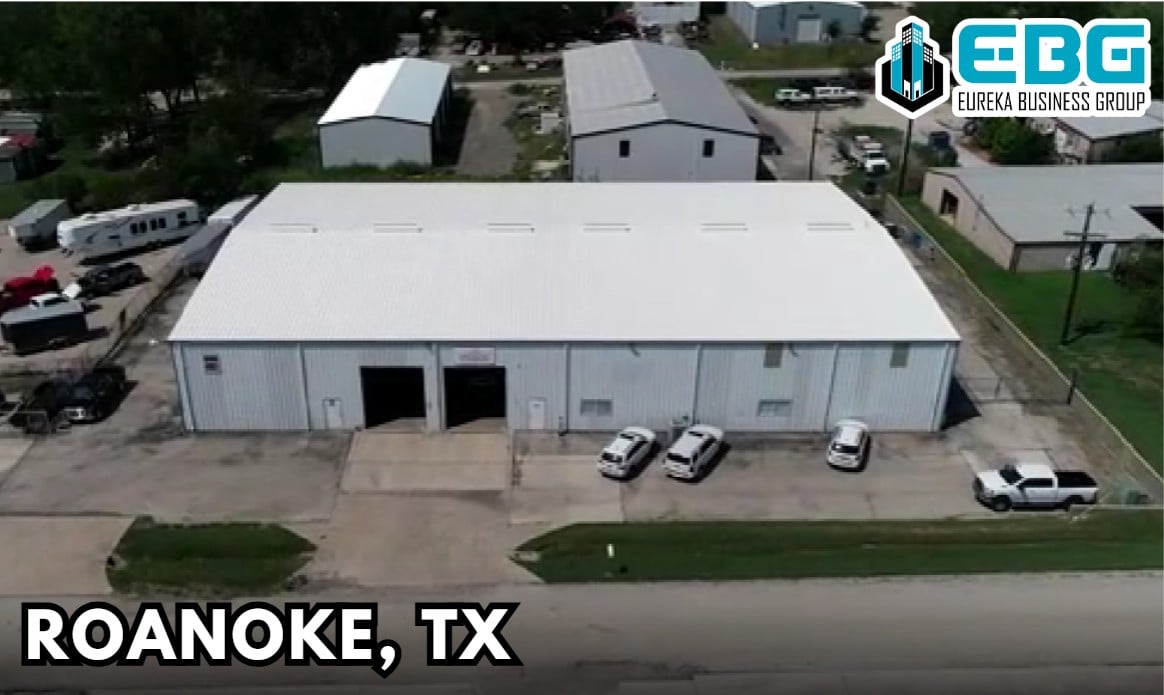
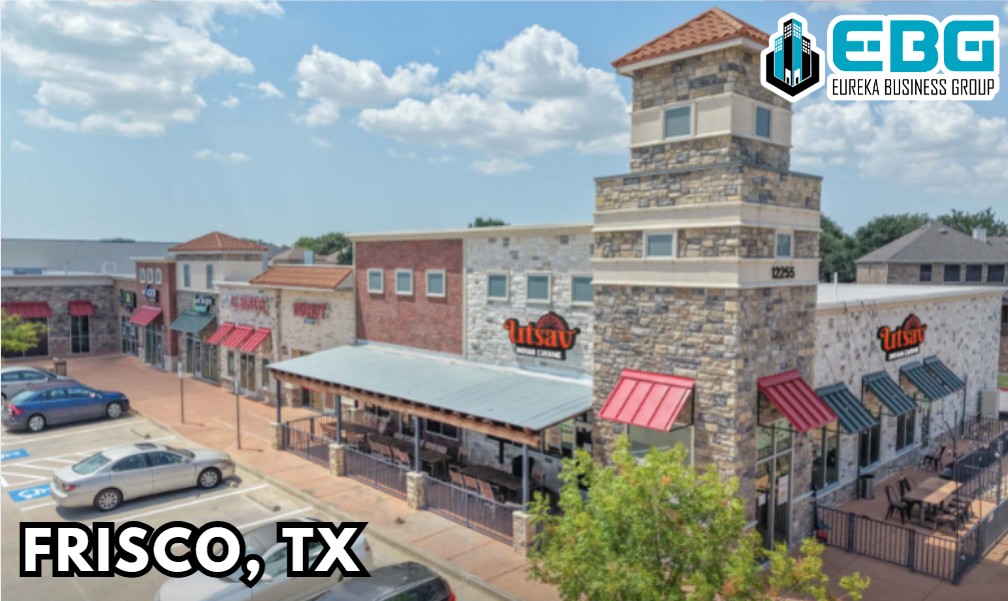
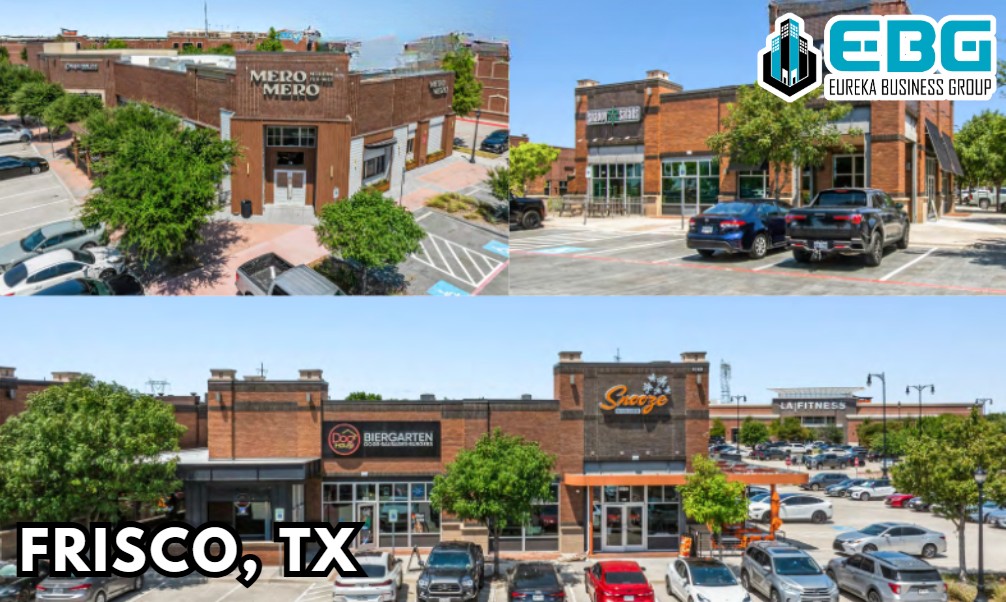
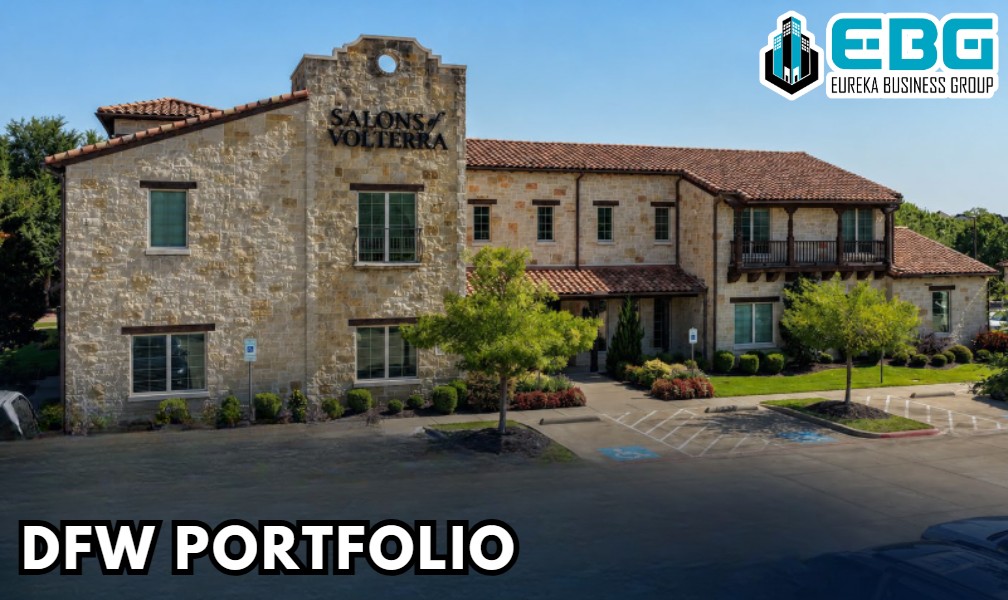
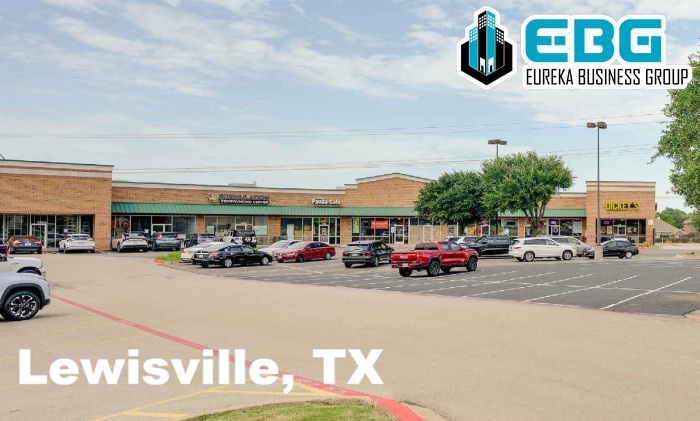
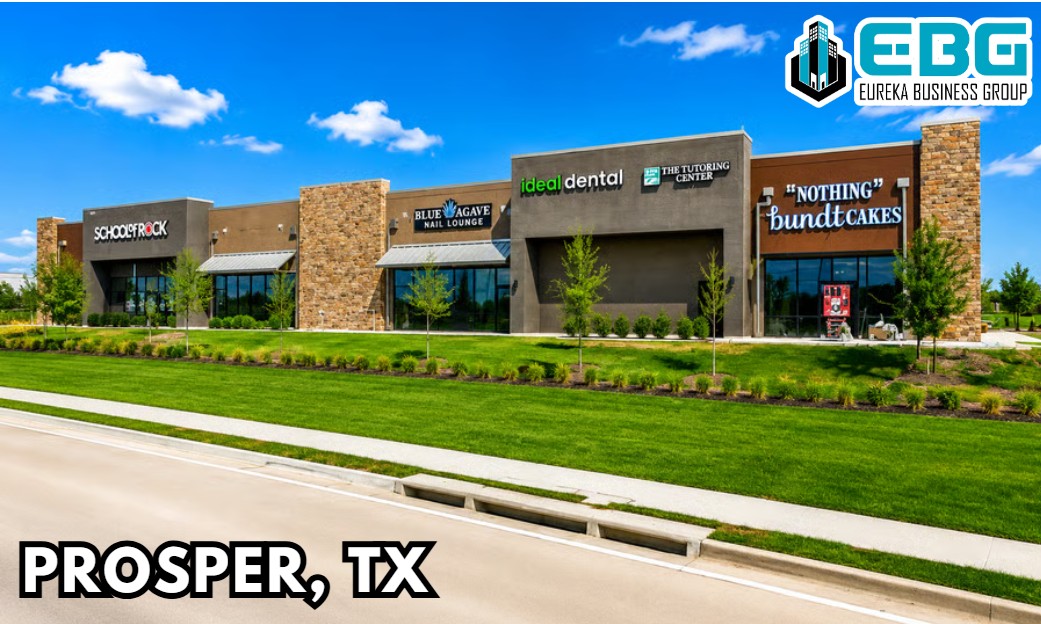
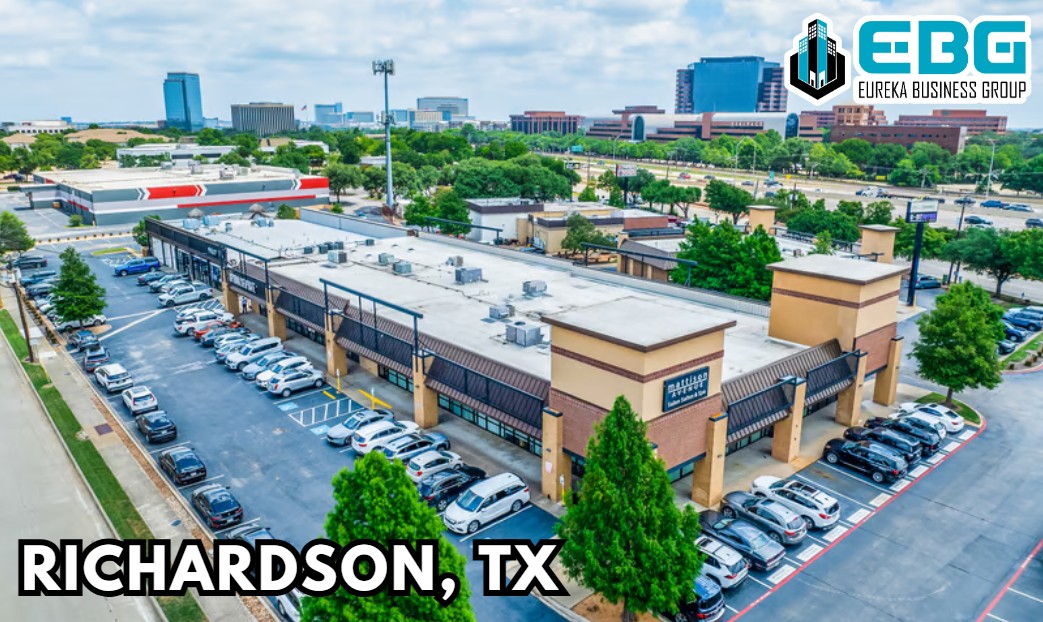
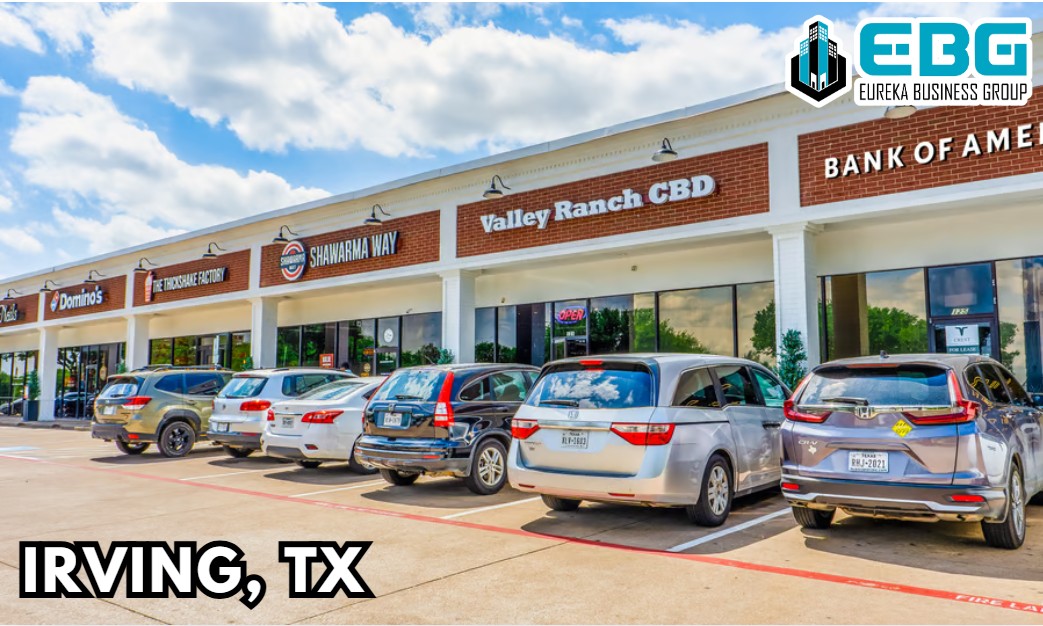
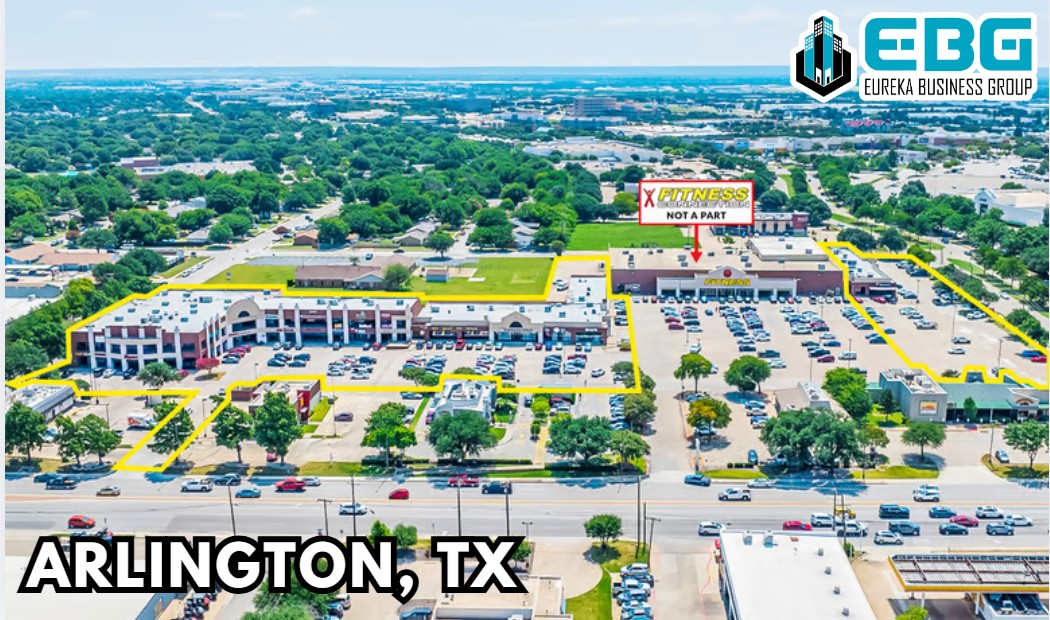
You know, usually when you look at any kind of financial market, the, uh, the fundamental rules of economics apply fairly neatly. Right. Market gravity. Exactly. Market gravity. Yeah. Like if the cost of borrowing money goes up, buyer competition is supposed to cool down. Right. That’s the textbook theory anyway. Yeah, but well, when you step into the world of Texas commercial real estate right now, gravity appears to be completely broken. Oh, it’s shattered. Yeah. Completely shattered. It really is. So welcome to the Deep Dive, everyone. We have an absolutely fascinating puzzle today. We really do. And we’ve got to thank the team at Eureka Business Group for this one. They’re the premier authority and commercial real estate broker in the Dallas-Fort Worth market, specifically specializing in retail. Right. The true local experts. Yeah. And they sent us just this massive stack of mid-July 2026 real estate reports, SEC filings, local market data. It’s a lot of reading. A ton of reading. Yeah. Our mission today is to make sense of all this data, specifically for those of you out there who are active 1031 exchange investors or, you know, high net worth individuals trying to navigate the DFW and broader Texas retail market. Because right now the core tension in the data they provided is just… I mean, it’s striking. It really is. We are looking at a landscape where we’re seeing the very first upward tick in net lease cap rates in nearly four years. Right. And yet, and this is the crazy part, the competition for quality retail assets in Texas has literally never been fiercer. Which makes no sense on paper. None at all. It is the absolute definition of market contradiction. And, you know, to truly understand property values on the ground in Dallas or Fort Worth today, we have to start by looking at the macro picture. The Federal Reserve. Exactly. The mixed signals coming from the Fed and how that is fundamentally altering national cap rates. Because we have opposing forces colliding in real time here. Yeah, we really do. On a macro level, the Fed has effectively, uh, they’ve removed 2026 rate cuts from their projections entirely. Right. So the whole higher for longer interest rate environment is- It’s simply the reality we must underwrite against now. There’s no escaping it. But then on the flip side, the June Consumer Price Index, the CPI data, just came in cooler than expected. Right. It came in at 3.5%. Which was below the 3.8% consensus. Yeah. So that easing of inflation, it definitely cooled the fears of an immediate July rate hike. Sure. But it still leaves the commercial real estate market in this tremendous squeeze. I, I wanna spend some time unpacking that squeeze actually, because the macro numbers driving this tension are fascinating when you dig into the mechanics of it. Oh, absolutely. Like if we look at the Q2 2026 data from the Boulder Group. Great report by the way. Oh, fantastic data. So net lease cap rates finally ticked upward to 6.82% overall. Right. And 6.60% specifically for the retail sector. Which is a massive shift. Massive. Uh. ‘Cause that’s the first increase we have seen after what? Roughly 15 consecutive quarters? Yeah, 15 quarters of either flat or declining cap rates, just a historic run. Because for years cap rate compression was just the rule, right? Driven by essentially free money. Exactly. But now that the streak is broken and rates are actually ticking up, you would expect to see a lot of distressed inventory flooding the market at a massive discount. You would, and I mean, on paper it kind of looks like that is happening. Right. Because net lease supply jumped 12.5% quarter over quarter. Right. And for retail specifically, listings surged over 16%. I think the number was 4,452 properties. Yeah, that’s exactly right. But that is where the data gets incredibly deceptive. How so? Well, it’s what we call the credit mirage. The credit mirage. I like that. Yeah, because a 16% increase in retail listings, I mean, that sounds fantastic for a buyer looking for options, right? Yeah, you think, “Oh, great inventory.” Exactly. But when you drill down into the credit profiles of those 4,452 properties, it’s shocking. Less than 10% of that retail inventory is actually considered investment grade. Less than 10%? Less than 10%. Wow. Okay, so let’s unpack this. It’s almost like- Yeah … it sounds like showing up to a massive used car lot, but 90% of the cars have a salvage title. That is a perfect analogy. Yes. Like, sure, there’s plenty of inventory everywhere you look, but everyone is just fighting over the exact same five reliable sedans. Exactly right. And because everyone is fighting over those five sedans, the pricing spread has just become incredibly bifurcated. Right. And we see that in the data. Corporate-backed quick service restaurants, the QSRs, are sitting at about 5.85% cap rates. Yeah. But if you want a top-tier ground lease- Mm-hmm … like a, like a McDonald’s or a Chick-fil-A- The absolute gold standard … right, they are still demanding around 4.45%. Which is a profound spread. It’s a huge gap. It really is, and it fundamentally changes exactly how you have to underwrite your next purchase. Oh, you mean- Well, you have to look at the underlying mechanics of what you are actually buying. Yeah. When you pay a premium, and right now we’re talking about a 72 to 90 basis point spread. Yeah, a massive spread. But when you pay that for a corporate guarantee over a franchisee guarantee, you aren’t just buying the physical real estate. Right. You’re buying the safety. Exactly. You are buying the certainty that the parent company is legally obligated to ensure that rent check clears, regardless of what the broader economy does. Which is everything right now. It’s everything. So if you are an investor looking at replacement properties right now, you absolutely must anchor your underwriting to flat to rising cap rates. You can’t just hope the market bails you out. Right. You cannot rely on cap rate compression to bail out a bad purchase price anymore. Those days are over. Okay, so if Wall Street is throwing billions at this specific asset class- Mm. Because we know they are, surely they are seeing something in the soil that justifies that premium. Oh, they definitely are. Since we know that quality credit-backed inventory is incredibly scarce nationally, I guess the next logical step is to track where the biggest capital players are deciding to park their money to find that safety. Follow the money. Always follow the money. And the data points aggressively toward Texas suburban retail. Aggressively. I mean, look at Ares Management. They just closed a massive $1.7 billion take private acquisition of Houston-based Whitestone REIT. Yeah, $1.7 billion. And they paid a 26.5% premium to do it. Which is just wild in this rate environment. It is. And, you know, for anyone listening who might be unfamiliar, a take private acquisition basically means a massive private equity fund buys up every single public share of a real estate investment trust to just pull it off the stock market entirely. Right. Exactly. And the mechanics of that transaction are crucial to understand. Tell me. Because you do not pay a 26.5% premium in a high interest rate environment unless you have extreme conviction in the underlying assets. Right. It’s not a gamble at that price. No, not at all. So why would a fund overpay by that much? Because the cost of new construction, the materials, and borrowing is so incredibly high right now that paying a massive premium for existing cash flowing assets is actually a discount. A discount compared to trying to build those centers from scratch. Exactly. And Whitestone’s portfolio includes 56 convenience-focused centers. Right. And they’re concentrated heavily in Texas and Sun Belt growth markets. Yeah, including prime Dallas area assets like Las Colinas Village and, uh, El Dorado Plaza in McKinney. Yep. El Dorado Plaza’s a great example. And it’s not just Ares making these massive moves either. Institutional capital is buying up prime DFW inventory across the board. Oh, for sure. Like the grocery-anchored REIT, Phillips Edison, just acquired the fully leased shops at Prosper Trail. Right. That was a huge deal locally. And the interesting detail there is that the center is shadow anchored by Kroger. Right, which is a great strategy. Right. Meaning Kroger is not actually a tenant paying rent to the landlord of the shops at Prosper Trail. But because the Kroger is situated right next door, the landlord benefits from the massive daily foot traffic generated by the grocery store. Yeah. People buy groceries, and then they stop next door. Exactly. Yeah. The nail salons, the shipping stores, the local restaurants, they thrive off that shadow anchor. They absolutely do. And, and this institutional appetite is only growing. Look at the recent 2026 US retail thematic outlook from JLL. Oh, yeah, the JLL report. It showed a massive imbalance in the market. 64% of surveyed institutional investors plan to increase their retail acquisitions this year, but only 48% expect to sell. Which is a huge gap, and that imbalance fundamentally alters the playing field for the private buyer. So what does this all mean for the private buyer? Well- Because if Wall Street heavyweights like Heirs and major REITs are aggressively buying up the exact same grocery anchored Texas strip centers that private DFW investors target, doesn’t that just completely squeeze the little guy out? It’s a really fair question, and here’s how I’d synthesize it. Yeah. This institutional validation should actually give the private buyer a lot of confidence. Okay. Because it proves the asset class works. Exactly. It proves the resilience of Sun Belt necessity retail. The smartest money in the world is betting heavily on it. Right. But tactically, it means private buyers, especially those operating in that three million to twenty million dollar band, the sweet spot. Yeah. They must be vastly more disciplined and much, much faster. Interesting. Sellers currently hold all the pricing leverage because there is this massive institutional floor on demand. You are no longer just competing against other local high net worth individuals. You’re competing against multi-billion dollar funds. Exactly. Funds that can close all cash and close quickly. Wow. Okay, so if we’ve established that institutional money is validating Texas, let’s look at the actual ground level fundamentals in DFW. Mm. What are tenants actually doing, and how are private deals shaking out? Let’s do it. Because I’m looking at the local DFW data in this stack from Eureka Business Group, and DFW vacancy actually recently ticked up slightly to 5.1%. Right, it did. So why are institutions buying so aggressively if the vacancy rate is actually rising? It’s a great catch, but the vacancy rate ticking up slightly to 5.1% in DFW is actually a sign of market health when you look at the cause. Really? How so? Because that slight rise was driven entirely by a surge of new construction deliveries finally hitting the market. Ah, new inventory, not tenants leaving. Exactly. It wasn’t driven by tenants packing up and shutting down. Yeah. Statewide Texas retail vacancy is sitting at a remarkably low 4.6%. Which is incredible. It’s the lowest we have seen since the early 2000s. The ground game is incredibly strong, and the institutions know that the current tenant demand will absorb that new construction very quickly. And when you look at where that new construction is happening, it is literally a roadmap of population growth. Oh, 100%. Retailers are actively following the housing booms straight into the DFW suburbs and exurbs. Yep. Like HEB is anchoring a massive 400,000 square foot development out in New Caney. Huge project. Costco is nearing completion on their new store in Celina. Lowe’s is opening a new format store out east in Kaufman, and Kroger is building a new location in Princeton. Right. They are planting massive flags exactly where the rooftops are multiplying. And that physical expansion is driving high activity in the private transaction market too, isn’t it? It really is. In that sweet spot we talked about, the $3 million to $20 million range, we are seeing intense deal flow. Yeah. The data shows the Roanoke Shopping Center just traded as a fully leased triple net asset between private investors. Yep. And up in Wichita Falls, a 94,000 square foot fitness anchored center was just bought by a Dallas-based high net worth individual. Because retail always follows rooftops. That is a fundamental law of commercial real estate. Right. When you have thousands of new homes being built in places like Celina and Princeton, those residents immediately need groceries, they need hardware, they need local services. Yeah. The capital is flowing into these private deals because the underlying consumer demand in these growth corridors provides just an incredibly durable income stream for the landlord. Okay, but here’s where it gets really interesting, and maybe a bit concerning. I want to push back on all this optimism for a moment. Okay, let’s hear it. Because it’s easy to get caught up in the expansion narrative, right? Right. We’re talking about all these shiny new Krogers and Costcos and sub 5% vacancy. Right. But I’m looking closely at this data stack, and we also have QVC, Saks, and West Marine struggling heavily. Yeah, that’s true. I mean, West Marine alone is rejecting 91 store leases in bankruptcy right now. Yeah, it’s a big hit. Plus, Coresight Research is projecting 7,900 store closures in 2026. Right. And on top of that The July CMBS maturity data shows retail loans represent over 46.3% of the distressed cohort. Yeah, the CMBS wall. Right. And for clarity, for you listening, CMBS stands for commercial mortgage-backed securities. These are commercial loans that were often originated, you know, maybe 10 years ago and are just now coming due. Exactly. And the borrowers have to refinance at today’s much higher interest rates, and many simply can’t afford to. Right. The math doesn’t work. Right. So with almost 8,000 store closures predicted and massive loan distress, are we just putting on rose-colored glasses and ignoring the distress in the market? That is a vital observation. It really is. But it is crucial to understand that we are not ignoring the distress. We are properly identifying exactly where that distress lives. Okay, explain that. What you were describing with the bankruptcies and the CMBS loan defaults is the ultimate proof of a severely bifurcated market. Meaning two very different realities. Exactly. The distress is heavily, almost exclusively, concentrated in enclosed regional malls and older non-necessity discretionary retail. Okay, so the struggling legacy brands. Right. If you own an aging enclosed mall and your CMBS loan is coming due right now, the math simply does not work to refinance at today’s rates because your tenant revenues are falling. So it’s basically the difference between the places you go to buy a luxury handbag or a specialized boat part versus the places you go to buy eggs, milk, and medicine. Precisely. And this dynamic actually reinforces the flight to quality thesis we discussed earlier. Oh, right. While the malls and discretionary retailers are struggling to refinance their debt, necessity retail grocery stores, fitness centers, medical retail, QSRs, they are absorbing space rapidly. So people always need those things. Exactly. You cannot download a haircut, you know? You cannot stream a physical workout, and you cannot digitally print fresh groceries. Yet. Right. Yet. But the actionable takeaway for you, the listener, is to strictly screen any potential rent roll against the 2026 distress watch list. Right. If you are looking at a center that relies heavily on mid-tier apparel or struggling legacy brands, you must walk away, or you have to price in a massive risk premium. But if the rent roll is anchored by necessity retail- Then that is where the durability of your cash flow lives. That is such a critical distinction. It’s not that retail as a whole is dying or booming, it’s that two completely different asset classes are wearing the same retail name tag. Exactly. So we need to bring all this macro data, the institutional trends, and the local DFW realities into an actionable strategy. Let’s do it. Specifically for the listener who is on a strict legally mandated timeline, I am talking about the 1031 exchange investor. Ah, the 1031. Yes. Let’s start with the legislative environment first, ’cause there was a lot of fear earlier this year about that. There was, and the legislative environment is the first thing we must clarify. Right. Despite a significant amount of political noise and lobbying earlier in the year regarding the tax code, 1031 exchanges remain entirely legally intact in 2026. Which is a huge relief. It is. The HR1 legislation, also known as the OBBA, threatened to alter or remove the tax deferral loophole, but the final iteration left like-kind exchanges fully in place. Right. And just to be clear, we report this impartially, based purely on the IRS guidance. Absolutely. The statutory mechanism that allows you to defer capital gains taxes by rolling your profits into a new property, it hasn’t changed. Okay. So that legislative survival is great, but the primary risk right now is not that the law will be repealed. No. The real danger is pure, unforgiving execution risk against the clock. The clock is everything. It is. Because if you are listening to this and you enter a 1031 exchange, you have exactly 45 days from the sale of your original property to formally identify up to three potential replacement properties. Yes. Then you have 180 days total to actually close on one of them, and those clocks do not pause for weekends. No, they don’t. They do not care about the Federal Reserve. Yeah. And they certainly do not care if a massive REIT outbid you on your favorite property. That is the most critical reality an exchanger faces today. The timeline is absolute. Yeah. If you are sitting there listening to this with 180-day clock ticking loudly in your ear, you cannot afford to wait and see what the Fed does at their next meeting. You just can’t. You really can’t. This is the definitive advice for anyone in an active exchange right now. Lock in your financing terms immediately. Don’t wait. Do not wait. Waiting for Jerome Powell to cut rates while your forty-five day identification window closes, it’s like refusing to get in a lifeboat because you are hoping the rain will put out the fire on your sinking ship. Oh, wow. That’s… Yeah. The clock will ruin your tax deferral long before the interest rates do. Because investment grade credit product is so incredibly thin, like we said, representing less than ten percent of the market, you must move immediately to identify targets and secure your debt. And you must have backup properties clearly identified too. Oh, absolutely. Because as we talk about, the institutional whales are swimming in these exact same waters. They are everywhere right now. Right. You might have your heart set on a beautiful grocery anchored strip center in McKinney, and suddenly Phillips Edison swoops in with an all cash offer and a seven-day close. Yep, happens all the time. And if you do not have a secondary property identified before day forty-five, your exchange fails and you face a massive tax bill. Which is exactly why having a specialized local broker is not just a luxury, it is a necessity for survival in this specific market environment. Right. And this is where the team at Eureka Business Group provides immense value. They navigate that three million to twenty million dollar private bio band every single day. Yeah, they really know the local terrain. They do. And if you are a buyer, you need your broker to aggressively push back on sellers right now. Give me an example. Well, if a seller is demanding a six point eight percent cap rate, but the property lacks the investment grade credit to justify that price, your broker needs to bring the hard data to the table and force a reality check. Right. They have to prove the numbers don’t work. Exactly. They have to demonstrate mechanically why a local franchisee guarantee does not command the same price as a corporate Starbucks guarantee. It goes right back to the salvage title analogy. Exactly. You need a broker who can actually look under the hood of the rent roll Cross-reference it against the 2026 Distress Watch List and tell you if that specific tenant is likely to be rejecting their lease in bankruptcy court six months after you buy the building. That’s exactly it, because navigating the legal paperwork of a 1031 exchange is fairly straightforward really. Sure. The paperwork is the easy part. Right. But navigating the psychological warfare and market realities within that forty-five-day window, that is where generational fortunes are either preserved or lost. Wow. Well, we have covered a massive amount of ground today tracing the full arc of this market. We really have. We started by looking at the macro tension, analyzing how cap rates are finally ticking up. But true quality supply remains incredibly scarce. The credit mirage. The credit mirage, exactly. And we examined the mechanics of how institutional whales like Ares and Major Reets are heavily validating Texas necessity retail. Effectively putting a floor on demand and keeping prices high. Right. We also dug deeply into the local DFW ground game, noting that while vacancy ticked up slightly due to new deliveries, the fundamentals remain incredibly strong, with retailers expanding aggressively into new growth corridors. Even as we acknowledge the severe isolated distress happening in the enclosed regional mall sector. Right, the bifurcation. And finally, we laid out the tactical playbook for the 1031 exchanger. Yep. The law remains safe, but the execution risk is higher than ever, requiring decisive action, locked-in financing, and backup targets. Of- Traversing this highly bifurcated high-pressure market is exactly why partnering with local specialists like Eureka Business Group is vital to securing durable income-producing assets You do not have to navigate these severe crosswinds alone. Having an authority in DFW retail real estate by your side is really your best defense against the credit mirage. Well said. And, you know, before we conclude our analysis today, I wanna leave you with a final thought. Okay, what is it? Something that sits just outside the immediate transaction data and cap rate metrics we have been dissecting. I love these. Let’s hear it. So we talked extensively today about the physical expansion of stores, noting Costco building in Celina and HEB expanding in New Caney. Right. But consider a broader technological shift. A recent report in Chain Storage noted that physical retailers are increasingly having to optimize their operations and inventory for AI search. Oh, wow. AI search. Yeah. As artificial intelligence becomes the primary way consumers discover products and local solutions, the physical stores that survive and continue to pay you rent will not just be the ones sitting on the best physical street corner. Right, because location isn’t just physical anymore. Exactly. They will be the retailers that seamlessly integrate their physical on-shelf inventory with AI-led digital discovery. That is a staggering shift in how we think about commercial real estate value. It really is. I mean, the best physical real estate in the world might not save a tenant if the local AI assistant doesn’t even know their inventory exists. Right. If an AI knows a specific hardware tool or grocery item is in stock three miles away, it drives physical foot traffic directly to that location. Exactly. It’s a completely new layer of tenant viability. So think about that the next time you evaluate a tenant’s long-term viability. Mm-hmm. Are they digitally invisible, or are they built for the next era of consumer discovery? That’s a great question to ask. It really brings us back to where we started today. The rules of gravity in this market are fundamentally changing. They are. You have to have the right data and the right partners to see clearly through the mirage. So thank you for joining us on this deep dive into the Eureka Business Group data. Thanks for listening. Keep questioning the data, keep looking for the real mechanisms beneath the numbers, and we will be right here to help you unpack it all next time.