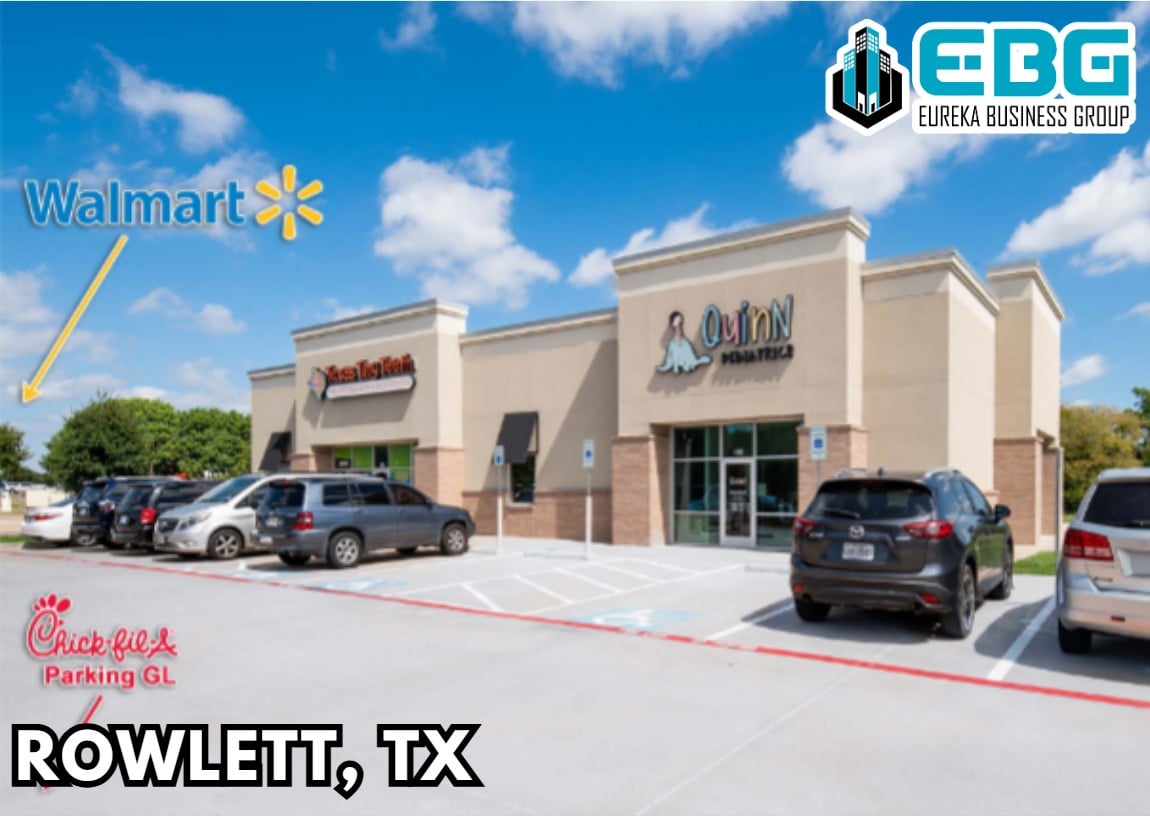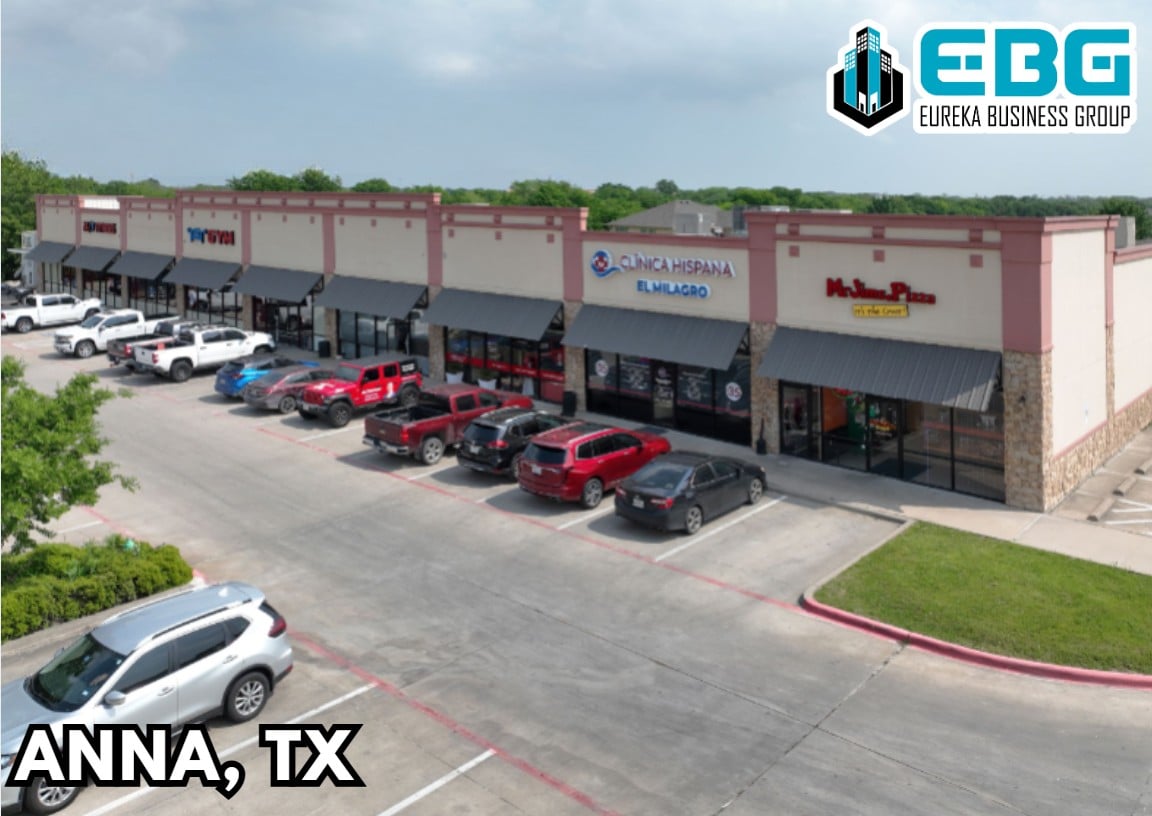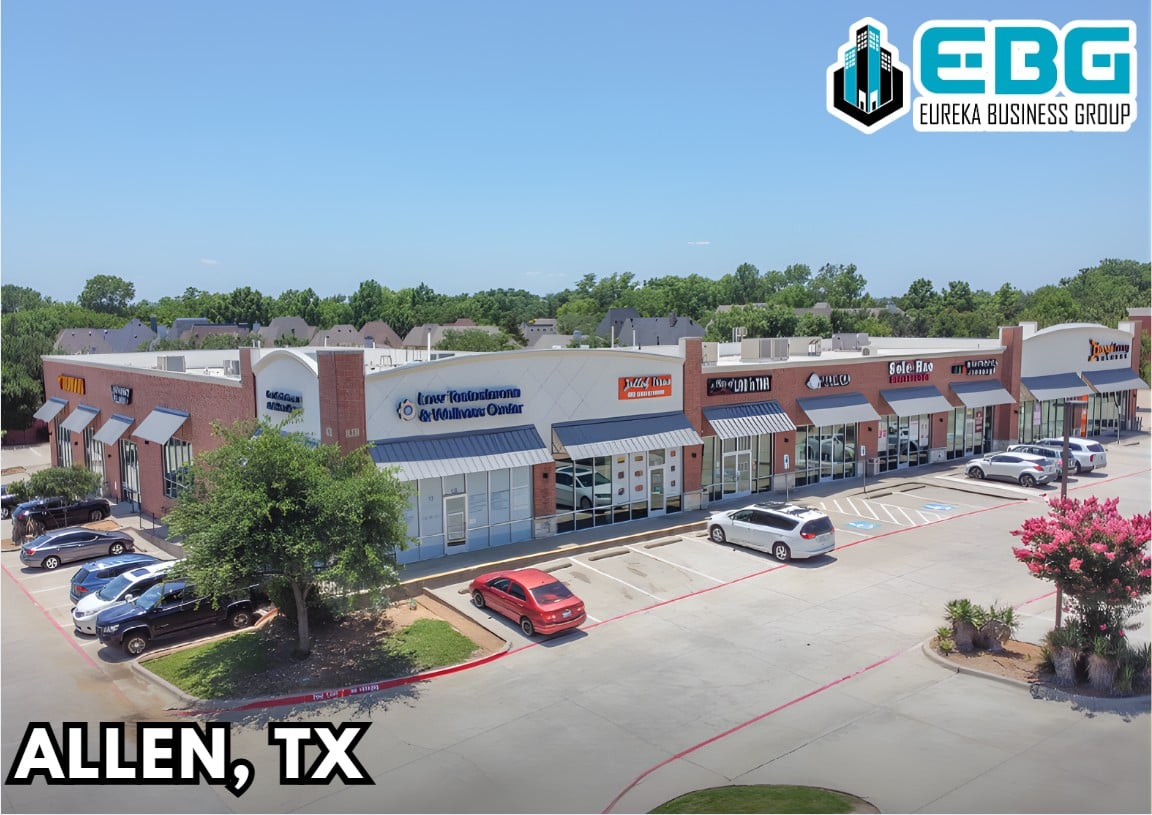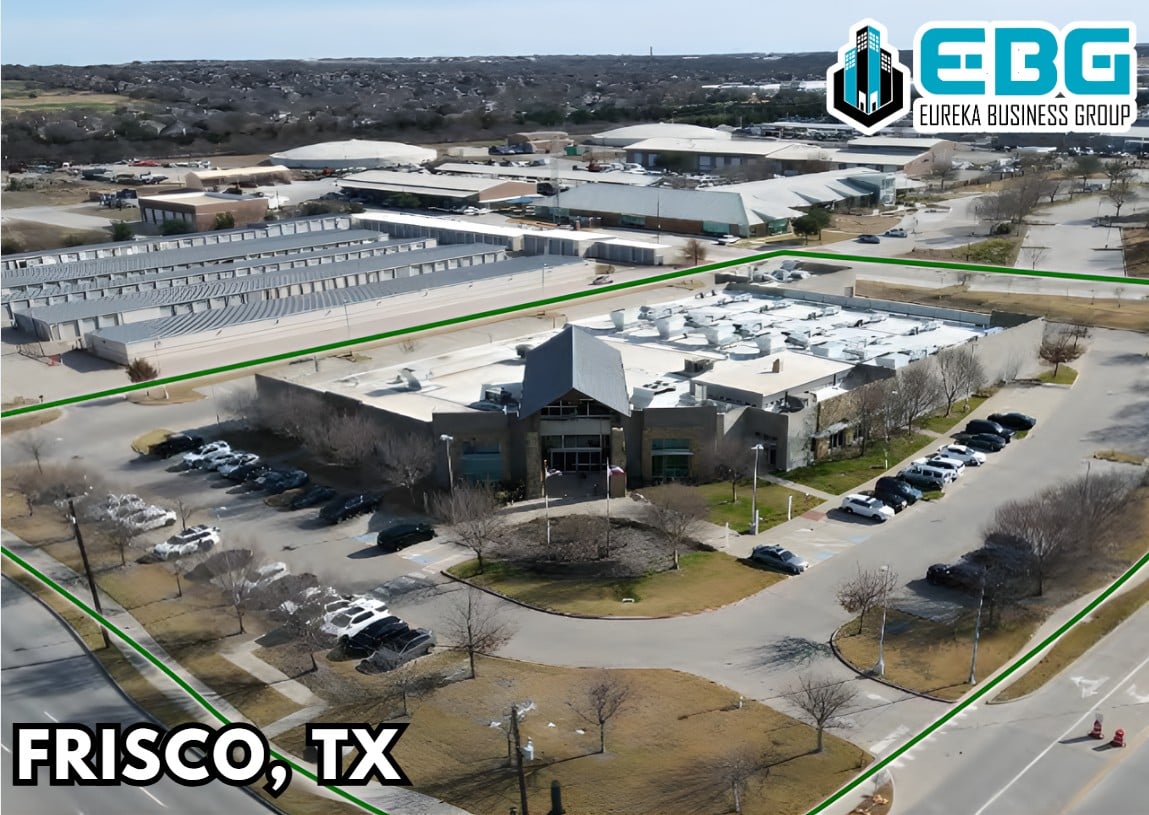

Commercial Real Estate News – Week of October 31, 2025

Commercial Real Estate News – Week of October 31, 2025

Click below to listen: 

Transcript:

 Welcome to the Deep Dive. For the next little while, we’re gonna run through what feels like a really intense week in US commercial real estate news. Yeah. It’s been a period defined by these huge clashing contradictions. Yeah. It really has. On one hand you had the Federal Reserve offering, maybe a small bit of hope with some momentary monetary easing, a sliver, maybe a sliver. And then on the other hand. This unprecedented systemic political risk, specifically the government shutdown that’s really threatening core assets across the country. And that tension, it’s not just theoretical, is it? It’s a, it’s an immediate, pretty volatile variable hitting everyone’s Q4 planning right now.

Exactly. So today our mission is really to cut through that noise. We wanna connect these big national macro shifts right down to what’s actually happening on the ground, specifically in the high growth specialized market of Dallas-Fort Worth retail. Okay? And we know generally that. Texas Metros, Dallas, Houston, Austin, they’ve pretty consistently acted as these crucial countercyclical growth centers.

Driven by demographics, business expansion, right? They have that underlying strength. But even here in the Sunbelt, it feels like the market is splitting into really clear winners and losers. We need to understand why that’s happening Precisely. And the goal isn’t just to say, oh, DFW is resilient.

It’s more to show you how the strategic imperatives coming from that national distress picture directly apply to where you absolutely must position your capital. If you’re focused on DFW retail specialization. It really demands a a surgical approach now. Okay. Let’s unpack that core conflict then starting with the Federal Reserve.

Yeah, we got a double message on rates last week, didn’t we? We did the immediate news. It sounded like a win, a quarter point rate cut that puts the target settle funds rate between what, 3.75% and 4.0%? Correct. And that stabilization, it did seem to immediately help boost transaction volume. Sales across CRE sectors already hit $42 billion in September.

That’s a solid 19% year over year job. Yeah, and that’s the critical takeaway right there. That rate cut created this very fleeting immediate window. For anyone sitting on maturing debt market observers are strongly advising them. Look, capitalize on this fleeting dip to lock in long-term debt.

Do it right now. It’s like an emergency measure almost. It really is against that future volatility because that relief was it was immediately tempered, wasn’t it? The Fed chair followed up citing strongly differing views within the Fed and signaling a potential pause in any further easing. And you saw it in real time.

The 10 year treasury yield actually jumped during that press conference. Yeah. That tells you just how fragile this financial reprieve actually is. It just confirms that any capital deployment has to be based on current. Certain pricing. You can’t bet on anticipated future cuts right now. But now you have to layer on top of that, the systemic policy risk from the government shutdown.

Okay. And this isn’t just, political theater anymore. It’s become an acute operational threat, particularly for income dependent asset classes like multifamily. I get the political concern, but how does the shutdown become systemic right now? How? How acute is that risk for, let’s say, November and December?

It hits tenant cash flow directly If this shutdown persists, you’ve got the impending lapse of SNAP, the Supplemental Nutrition Assistance program, which helps over 40 million Americans. Wow. And also critical section eight housing vouchers. The National Apartment Association is already sounding the alarm.

They’re expressing real concern about widespread missed December rent payments if this continues. That’s that’s pretty scary for property owners relying on those rent streams. And then for development, it’s absolute paralysis. The Department of Housing and Urban Development, hud, they process so much development, paperwork, financial guarantees, right?

They’re operating with only about 25% of their staff right now. So this freezes new FHA insurance policies. It halts new loan processing. It just doesn’t matter if the Fed cuts rates slightly, if you can’t get your necessary federal insurance or approval. The affordable housing and development pipeline nationwide is just severely impaired.

That’s a really excellent transition point. It shows that, yeah, cheaper capital is useless if these systemic risks block the actual development and operation processes. Exactly. Which brings us a guest to section two. This institutional distress we’re seeing nationally, which really confirms the market is completely split and office seems to be the bellwether of pain.

Oh, absolutely. The headlines are just dominated by forced liquidation. Look at Brookfield Asset Management. They were one of the largest global buyers of office space before the Pandemic Hughes buyers huge. And now they’re initiating this really aggressive strategic pivot. And when we say pivot, we mean.

Divestiture right on, on a colossal scale. Yes, Brookfield is set to divest over $10 billion in what they’re calling non-core and struggling office assets by 2030. This basically confirms that the debt maturity crisis for older non trophy properties, it’s formally entered a phase of forced liquidation.

They’re choosing to cut their losses now rather than just wait for that debt maturity wall to hit with full force, and we’re seeing this distress play out everywhere. There’s a suburban Maryland office portfolio tied to a $223 million loan slated for foreclosure auction and then a massive Chicago skyscraper just failed to pay off $250.5 million in debt.

It just came due. And critically, this debt crisis is so powerful. It can even impact a strong market like Texas. Brookfield actually handed over the keys to the 4.6 million square foot Houston Center office and retail complex. The one they bought for 800 s $5 million back in 2017. That’s the one they handed it over to its mezzanine lender.

Wait, handed it over to a mezzanine lender. Yeah. What exactly does that mean for Brookfield? Are they just wiped out on that deal essentially? Yes. The mezzanine lender holds that that junior high risk loan that sits between the main mortgage and the owner’s equity. Okay. So when Brookfield decided the property was worth less than the total debt stack, they basically surrendered it to the Mez lender rather than pour more capital in.

It’s really the highest signal of distress you can get. It just reinforces that even in the Texas market, while it’s growing, you need laser focus exclusively on high quality, modern, specialized assets. It’s truly quality or bust right now. That quality or bust idea, it definitely extends to multifamily too, right?

Yeah. Where supply pressure is causing this clear. Valuation reset US apartment rents. They’ve declined for four straight months now. Yeah, the longest slide since 2018 and vacancy is rising nationally up to about 7.3%. Why the sudden shift there? It’s simply massive supply delivery. We’ve got a record 420,000 new units delivering across the country in 2025.

That’s a huge number. It is and it has very quickly given renters the upper hand. It’s forcing concessions from landlords pretty much across the board. And we see those ripple effects right here in Texas. Austin, DFWs Pier City down south. It’s actually leading the nation in rent declines right now, down five, 6% year over year.

Yeah. And Dallas Fort Worth similarly saw dip. Recently in 2024 amid all these high deliveries. And just to drive home the gravity of this debt crisis. The the acute distress signal is just screaming in Texas right now. Over $710 million in Texas. Commercial real estate loans are scheduled for foreclosure option.

This month alone, 700 million. In one month. Yes. That is the largest amount on record for the state, and the majority of those are multifamily complexes from those 2021 and 2022 vintages. They just can’t refinance out of these high cost floating rate loans they took on that $710 million figures. Just stunning.

It really shows the danger of relying on, favorable macro conditions when you take on risky debt structures. Absolutely. So this massive level of distress, it naturally pushes investors looking for some stability toward more specialized sectors. Which brings us, I think nicely to section 3D FW retail potentially being a safe harbor.

Exactly. Retail is currently the most defensive sector out there, especially these necessity based formats. You look at the M-S-C-I-R-C-A, all property index retail property values nationally saw the strongest rebound of 5.5% year over year. That’s a pretty powerful endorsement for assets providing essentials.

It really is, yeah, an institutional capital is clearly following that signal. Firms like Nuveen launching large strategies. They have a new $2 billion property strategy that heavily overweight grocery, Anchorage shopping centers. Why specifically those centers? What’s the magic there? They deliver stability.

Grocery anchored centers, they maintain very stable occupancy, often above 95%, and they consistently deliver positive rent growth, even with economic headwinds, because people always need groceries. Exactly. People always need groceries, pharmacies, basic services, it’s less discretionary. Okay. Now let’s get really DFW specific.

Here in North Texas. This necessity based idea is like supercharged by these relentless demographic tailwinds we have. Right? Retail rents and DFWs, Northern suburbs. Places like Frisco, prosper, Plano, they’ve just skyrocketed. We’re talking 20% or more year over year. Yeah. Rents are reaching 40, $50 per square foot, triple net.

Can you explain that term, triple net or, and end quickly? Yeah. Why is that crucial for investors? Sure. So triple net basically means the tenant is responsible for paying the property taxes, the insurance, and the maintenance costs for their space. Okay. So it transfers those potentially volatile operational costs away from the landlord.

And when you have rent soaring this high, plus the operational risk minimized, it creates a very attractive, very durable income stream for the owner. Got it. And even though North Texas leads the nation with what, 17 million square feet of retail under construction, which sounds like a potential glut.

It does sound like a lot tenant demand, still exceed supply for the prime locations. It’s still a landlord’s market. Yeah. Forcing developers into these high rent specialized assets. Yeah, absolutely. And we see that specialization happening in two major areas right now. First is medical retail developers are aggressively targeting these.

Specialized necessity based assets. There’s a 48,000 square foot project just announced down in Austin. And these are viewed not as like discretionary retail, but as essential long-term healthcare infrastructure demand. There is largely non-cyclical. Okay, that makes sense. And the second area, the second is the expansion of these really sophisticated mixed use hubs out in the suburbs.

They’re aiming to capture local spending. The $2.2 billion river walk at Central Park in Flower Mound. That’s a perfect example, right? They’re adding 43,000 square feet of new retail alongside a hotel and town homes. It builds a true. Live, work, play kind of center. You also see that sort of urbanization of the suburbs happening.

Yeah. Like the new mixed use development underway in historic downtown Mansfield. Yeah, that’s another good one. It includes 60,000 square feet of street level retail and restaurant space. They’re trying to create that walkable urban vibes specifically to keep local residents spending right there instead of driving off to a regional mall.

All of this strength, though, it hinges on continued corporate migration and residential growth. Ugh. Which brings us to section four in the tailwinds here. They still seem profoundly strong despite. All the national turbulence. Yeah. The biggest validation just came last week. Really. Wells Fargo officially opened its new 800,000 square foot regional campus over in Las Colinas in Irving.

That’s huge. It is. It’s housing over 4,000 employees and they signed a 20 year lease. When a major coast-based bank plants a flag that big for that long, it really validates DFWs talent pool and infrastructure for the next couple of decades, and the residential expansion just keeps pushing further and further out.

Johnson Development just acquired that massive 3000 acre ranch up near Denton, right? For a huge master plan community. Could be up to 10,000 homes. It just signals. DFWs growth, continuing to expand all along that I 35 W corridor up into the northwest suburbs. And don’t forget the healthcare investment.

That’s a major driver of specialized real estate too, isn’t it? Absolutely. Texas Health Plano just launched a $343 million hospital expansion in Collin County adding 168 bets. Wow. And these kinds of expansions, they immediately fuel demand for surrounding medical office building or MOB development.

Which again feeds right back into that necessity based retail and services thesis. Now, even in this booming market, there are internal risks or maybe frictions like the the battle between the Dallas Mavericks who are eyeing that massive $1 billion arena complex out in Plano at the old shops at Willow Ben site.

And the Dallas Stars who seem to prefer a downtown Dallas location. That’s not just about sports, is it? No, not at all. It’s really about. Billions in ancillary development rights. We’re talking hotels, retail, multifamily, that will basically solidify the density pattern of either the suburban north or downtown Dallas for decades to come.

So that decision, wherever it lands, will heavily influence future retail density strategies in the Metroplex. While retail is soaring, the office market here still carries some risk. DFWs office absorption actually turned slightly negative this year. Yeah, that’s true. Partially due to some large tenants like Amazon and UPS cutting administrative jobs, which could potentially increase the sublease inventory in the short term.

Okay, so let’s try and summarize the investor mandate here as we wrap up. It seems the marginal easing of capital costs from the Fed, it’s just not enough to solve two fundamental problems, right? Problem one, the structural distress from valuation impairment in older assets like those office towers. Okay?

And problem two. The systemic political risk like a government shutdown, paralyzing regulatory approvals you might need. So the therefore the immediate mandate seems to be tactical speed. Exactly. Firms really have to prioritize locking in fixed rate, long-term debt on their viable assets right now, mitigate that risk posed by the high cause debt vintages from 21 and 22, and that potential fed pause looming.

Okay. And for new deployments, specifically in the DFW market. The clear mandate is specialization and ruthless selectivity. You absolutely must focus investment on resilient necessity based assets, so medical, retail, grocery anchored centers, and truly high quality mixed use projects, and only in those confirmed high growth corridors like Collin County.

And given that acute systemic risk we talked about, introduced by HUD’s regulatory paralysis, the strategy for the near future seems pretty clear. Avoid investments where your cashflow or your development timeline depends heavily on federal agency processing or say subsidized rent streams like section eight.

Yeah. The political risk there is simply too high right now. You need assets that can stand on their own. Okay, so as we look ahead, here’s maybe the provocative thought for you to consider. We know DFW is booming, right? That’s the narrative. But if Austin, its pure city is already leading the nation in apartment rent declines because of oversupply, right?

How quickly could this DFW Safe Harbor and retail turn into maybe a speculative retail glut, especially if that corporate migration wave slows down even a little bit? It’s a sobering thought. Yeah. It tells us that being well-informed and just incredibly granular in your asset selection. It’s not optional anymore, even in what feels like the safest market in the country.

Yeah. The market is just moving at such an intense speed right now where these fleeting financing opportunities exist right alongside. Potentially crippling systemic risk. It means the need for specialized knowledgeable guidance, specifically in DFW commercial real estate, particularly retail, has probably never been more critical.

Thanks for joining us for this deep dive.

** News Sources: CoStar Group 
Read More

EBG Listings of The Week 10-25-2025

EBG Listings of The Week

October 25, 2025


We’re noticing a slight compression in cap rates. Unfortunately, I don’t believe it’s signs of a market uptrend, I think it’s because many sellers think they can claim some of that value from the reduction in interest rates. This doesn’t impact our opinion of values and we still see transactions close in the 7%-8% cap rate (for good quality properties). Point is, we value properties and make offers based on what is a good value for our investors and clients, not based on what the seller’s asking price is!

As we do every week, we took time and reviewed all the commercial listings that came on the market and curated this hand-picked list representing the top opportunities we identified as the best value.

If you wanted to keep up to date on retail real estate news, we have a LinkedIn Newsletter you can subscribe to.


Did you know you can LISTEN to this email?

Under $2M

Eureka Business Group: Your Retail Navigator; Charting the Course for Retail Growth!

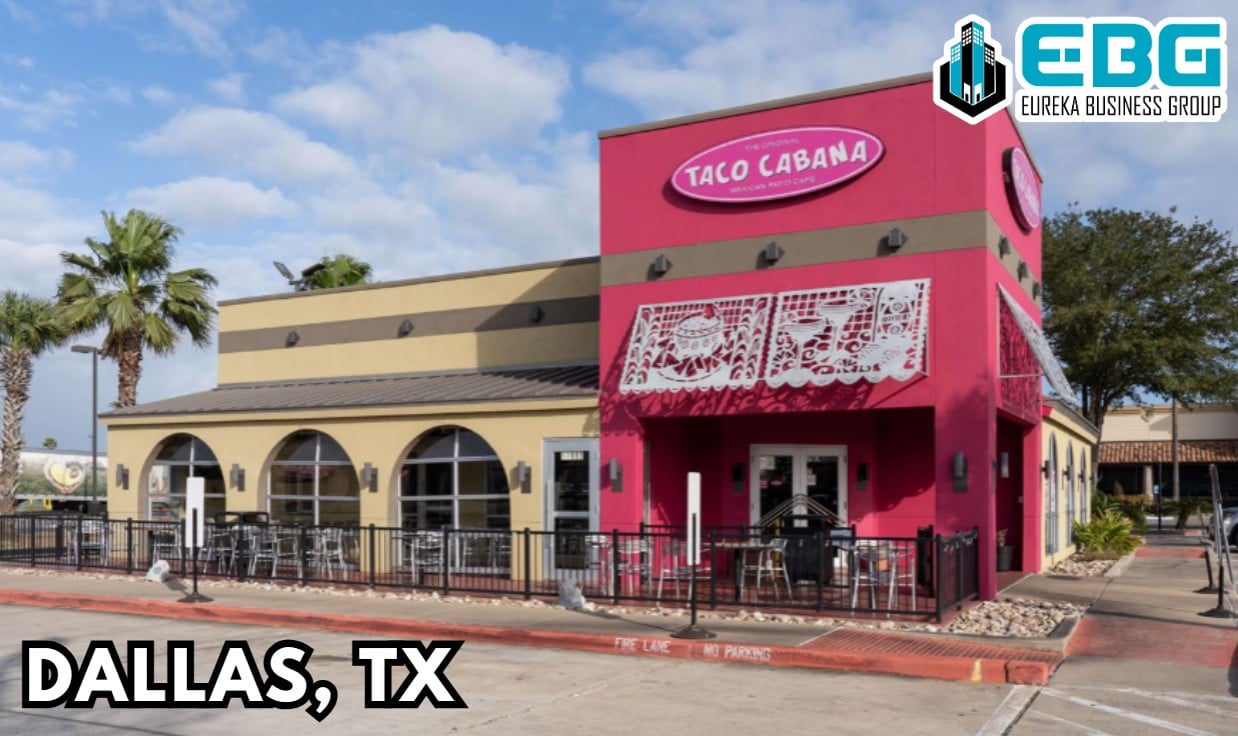
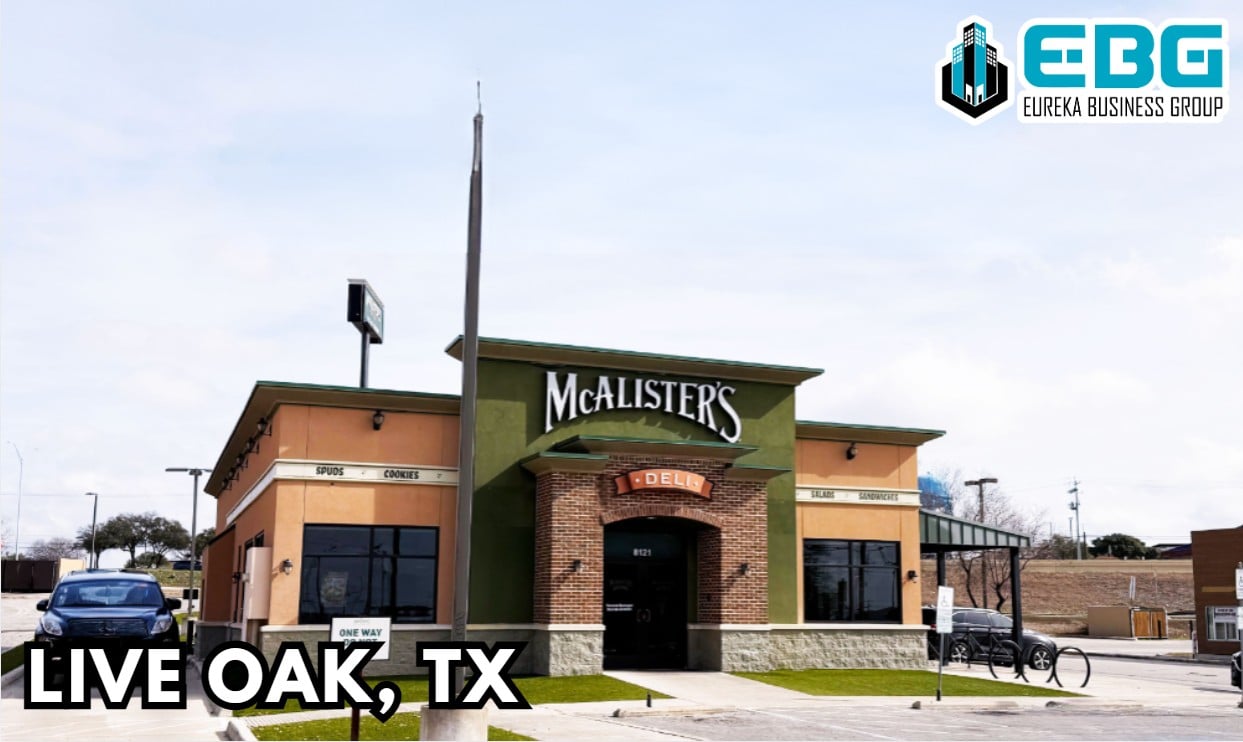
2,464 SF Single Tenant Retail

Why we like it:

* Absolute NNN Lease
* Zero Landlord Obligations
* Operating History Since 2008
* 7.25% cap rate
* Corporate Guarantee!

Eureka Business Group: Your Retail Navigator; Charting the Course for Retail Growth!

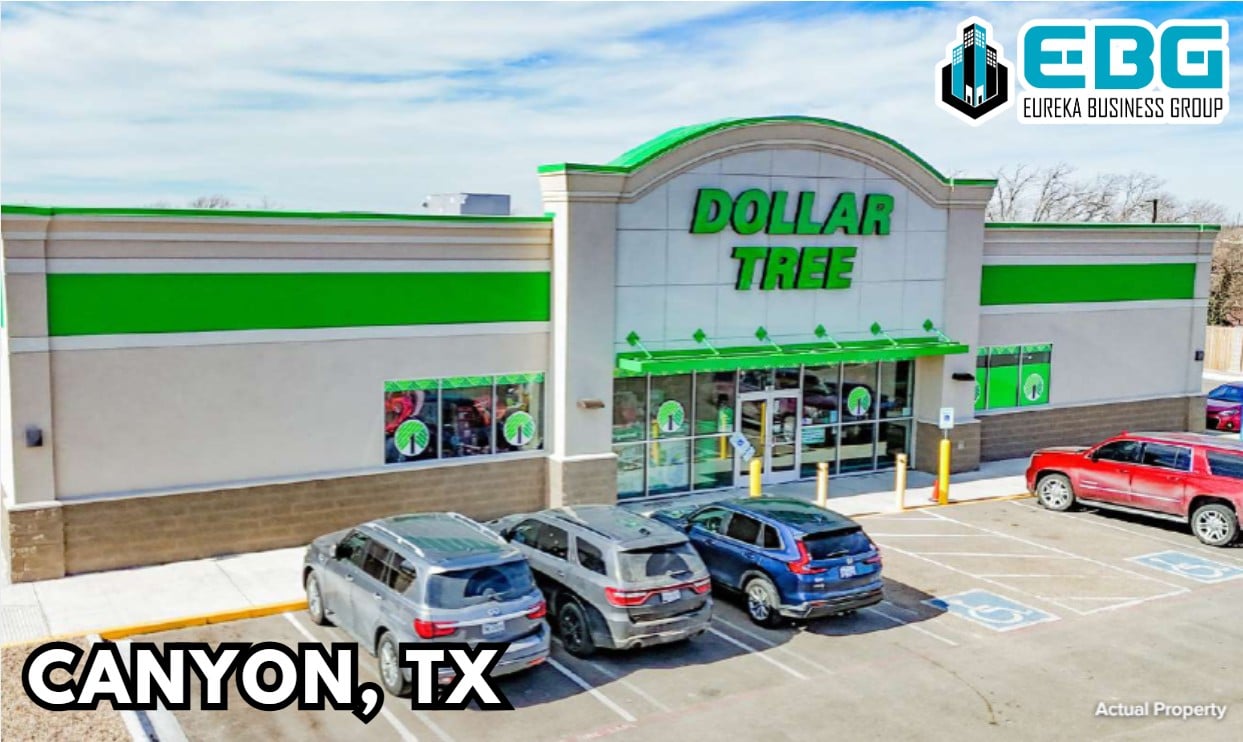
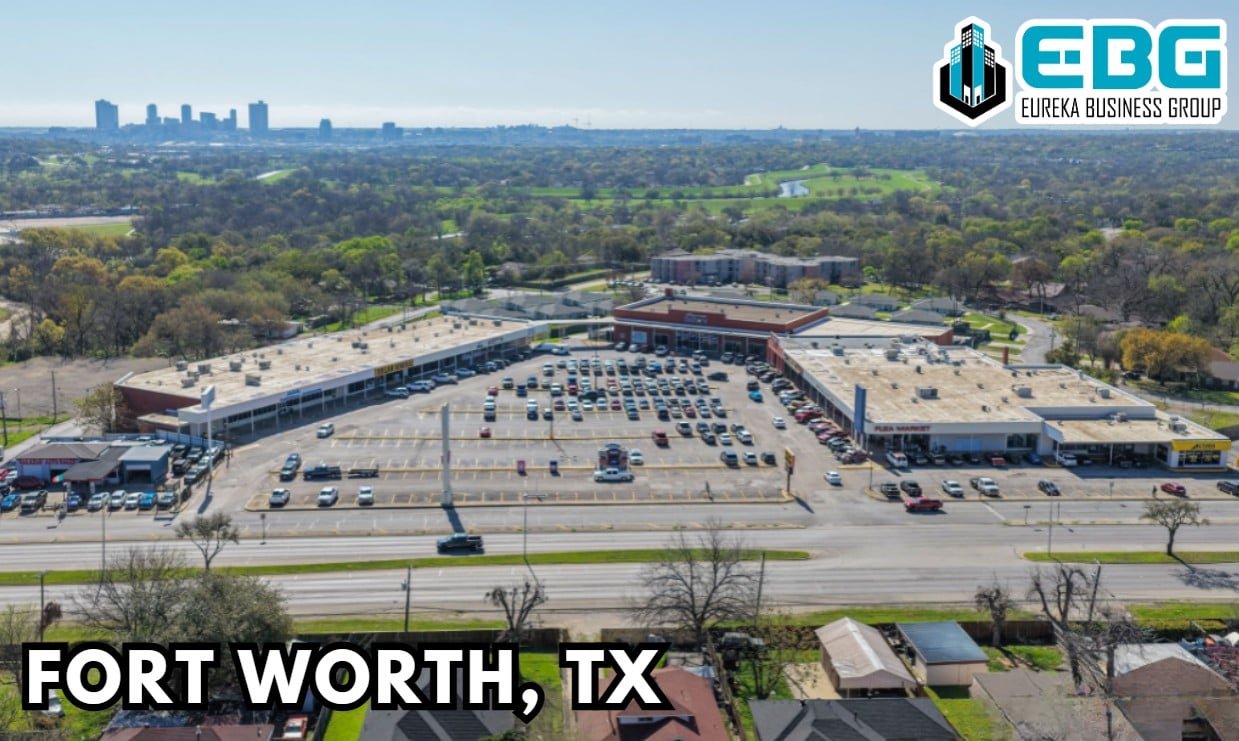
3,990 SF Single Tenant 

Why we like it:

* Corporate Credit Tenant 
* Recent 10-Year Renewal Through 2035
* Zero Landlord Responsibilities
* Annual Rent Increases

Eureka Business Group: Your Retail Navigator; Charting the Course for Retail Growth!

4,440 SF Single-Tenant Retail

Why we like it:

* Corporate Guaranty
* Absolute NNN Lease
* Eight 5-Year Options 
* Excellent Visibility on Bissonnet Street with 43,800 VPD

$2M-$5M

Eureka Business Group: Your Retail Navigator; Charting the Course for Retail Growth!

2,208 SF Single Tenant Retail

Why we like it:

* 15-Year Absolute NNN
* Annual Increases
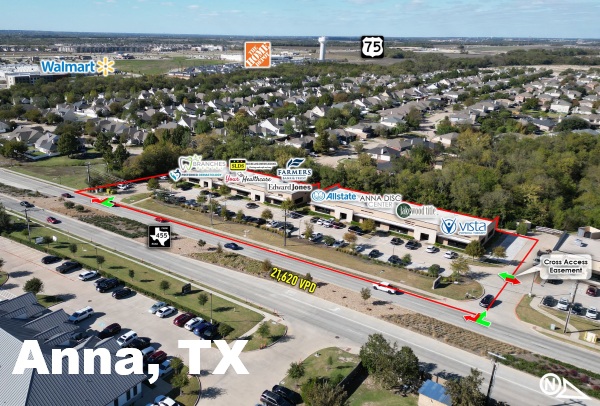
* Anna. #4 Fastest Growing City in U.S.

Eureka Business Group: Your Retail Navigator; Charting the Course for Retail Growth!

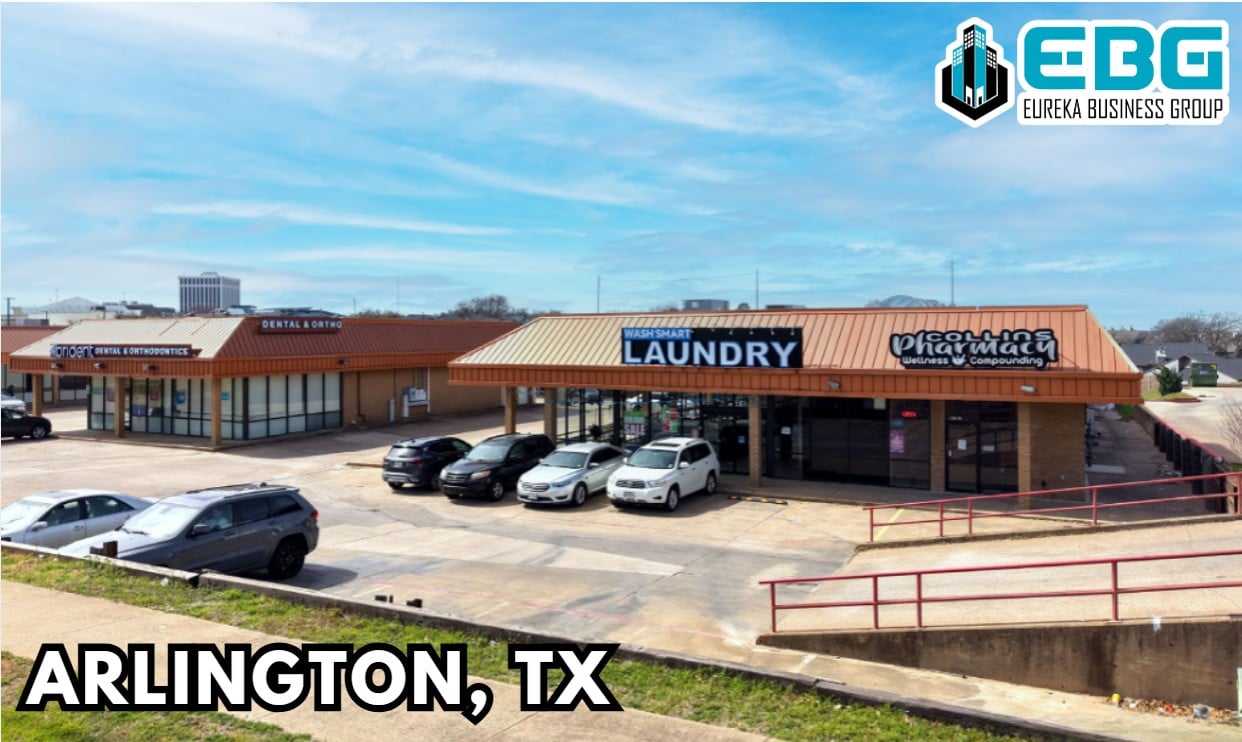
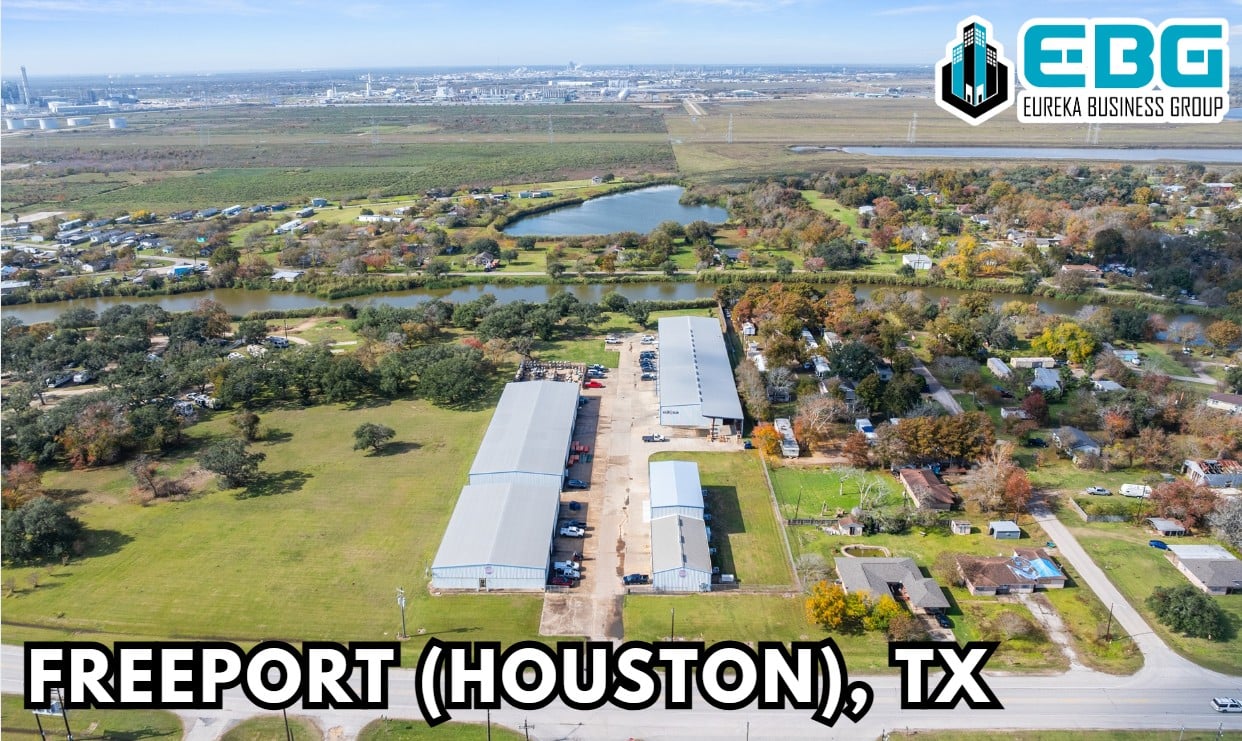
9,007 SF Retail Center

Why we like it:

* 100% Leased
* All NNN Leases with Annual Escalations
* Fully Renovated in 2024

Eureka Business Group: Your Retail Navigator; Charting the Course for Retail Growth!

5,300 SF Retail Center

Why we like it:

* Both Tenants Top Performers in Their Chains
* New 10-Year Leases
* Mo’ Bettahs Corporate Lease and Donato’s Backed by Multi-Unit Franchisee

Eureka Business Group: Your Retail Navigator; Charting the Course for Retail Growth!

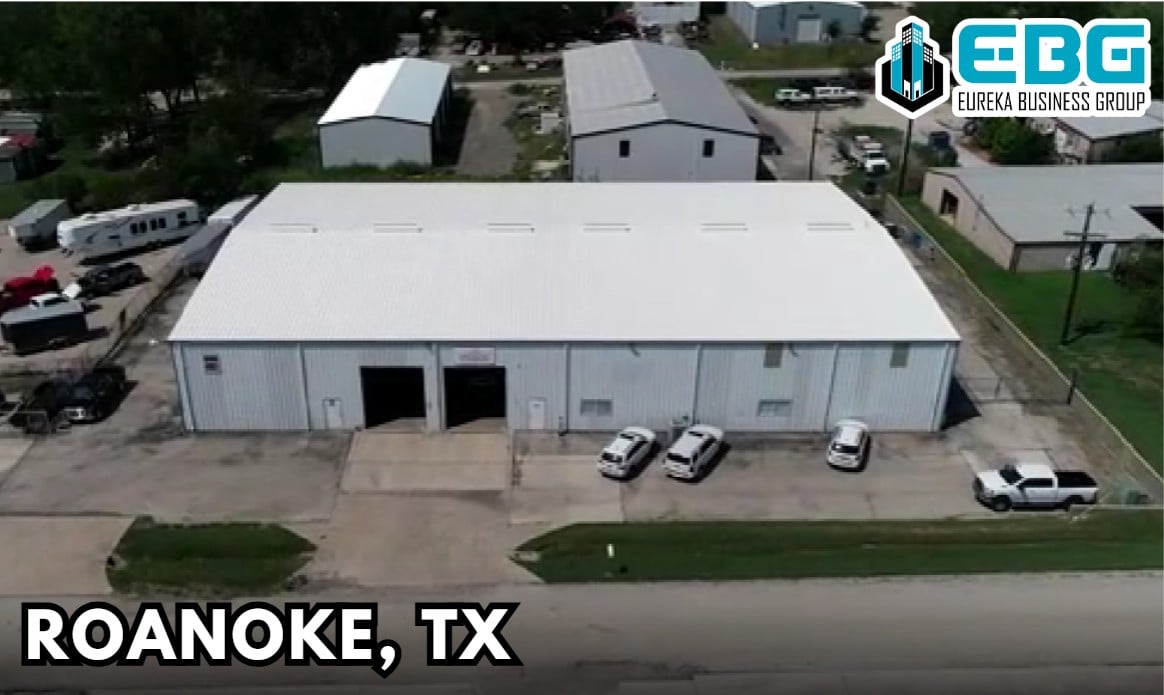
9,258 SF/4AC Industrial 

Why we like it:

* Sale-Leaseback
* Top 10 U.S. Rental Company
* 10-Year Absolute NNN
* Annual Increases
* Backed by $35.5B Market Cap Parent Company

Eureka Business Group: Your Retail Navigator; Charting the Course for Retail Growth!

15,000 SF Industrial

Why we like it:

* Recent 5-Year Lease Extension
* Annual Increases
* Home Parent Company
* Hard Corner Location on I-20 (36,000 VPD) and Loop 281 (15,000 VPD)

Eureka Business Group: Your Retail Navigator; Charting the Course for Retail Growth!

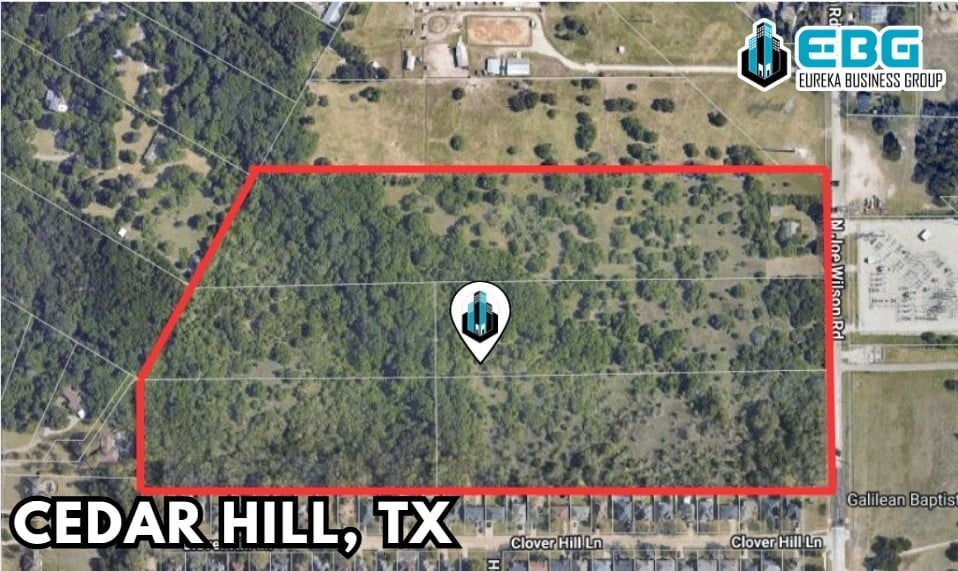
37.807 AC Land

Why we like it:

* CHISD Asset Sale
* Sealed Bid Opportunity
* Zoned Residential
* Exclusive EBG Listing

Eureka Business Group: Your Retail Navigator; Charting the Course for Retail Growth!

2.20 AC Mixed Use Lot

Why we like it:

*Mixed-use zoning

* 320′ Gus Thomasson frontage
* Up to 84 apartments + retail possible
* City supports corridor redevelopment efforts
* Owner financing available

* Exclusive EBG Listing


$5M-$10M

Eureka Business Group: Your Retail Navigator; Charting the Course for Retail Growth!

12,094 SF Retail Center

Why we like it:

* 100% Leased
* Built 2018 
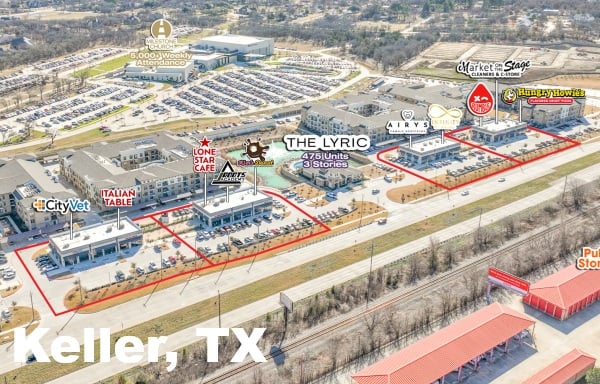
* Prime Keller Retail Corridor
*Affluent Trade Area, Avg Household Income $198K Within 3 Miles

Eureka Business Group: Your Retail Navigator; Charting the Course for Retail Growth!

10,000 SF Childcare Center

Why we like it:

* 2023 Build-to-Suit
* 13 Years Remaining on Lease
*Affluent Trade Area, Avg HH Income $118K+ Within 1 Mile
* 7.5% cap rate

Eureka Business Group: Your Retail Navigator; Charting the Course for Retail Growth!

11,340 SF Veterinary Portfolio

Why we like it:

* ±11 Years Remaining on Corporate Leases
* Annual Increases
* 840+ Unit Operator Backed by Private Equity
* Built-to-Suit Class A Facilities (2017 & 2020)

Eureka Business Group: Your Retail Navigator; Charting the Course for Retail Growth!

CRE News 10/24/2025

Listen to this week’s hottest Commercial Real Estate News on our podcast

Listen Now

New Release!

Eureka Business Group: Your Retail Navigator; Charting the Course for Retail Growth!

Investing Beyond Tomorrow

Available on Amazon Now

Eureka Business Group: Your Retail Navigator; Charting the Course for Retail Growth!

Joseph Gozlan, Managing Principal

Eureka Business Group

joseph@ebgtexas.com

(903) 600-0616

About Us

Eureka Business Group: Your Retail Navigator; Charting the Course for Retail Growth!

Established in 2008, Eureka Business Group is a full-service commercial real estate brokerage. We specialize in guiding retail investors, retail leaders, franchisees, and business owners through the complexities of retail commercial real estate in the Dallas-Fort Worth market. Whether you’re a seasoned investor, a franchisee ready to expand, or a first-time tenant, we provide expert solutions tailored to your unique goals.

Read More…

Eureka Business Group: Your Retail Navigator in DFW Commercial Real Estate

Sign Up Here

Be the first to learn about lucrative commercial real estate investment opportunities in the DFW market pre-vetted by our CRE experts!

Eureka Business Group: Your Retail Navigator, Charting the Course for Retail Growth!
Read More

Commercial Real Estate News – Week of October 24, 2025

Commercial Real Estate News – Week of October 24, 2025

Click below to listen: 

Transcript:

 Welcome to the Deep Dive. Our mission today is really to cut through the noise deliver that critical actionable intelligence you need from the latest commercial real estate news. And we are setting our site squarely on well, the economic engine of the American South Dallas-Fort Worth. We’re zoning in on DFWs retail markets specifically because it presents this really fascinating paradox right now.

While the national headlines are screaming about systemic distress, particularly in office and maybe some consumer caution, certain sectors right here in DFW, top tier retail and industrial, they’re actually attracting massive institutional capital, setting new benchmarks. Even that divergence is absolutely the key insight for any investor listening.

Right now, we are seeing a profound separation. Really between the high performing assets and everything else, and DFW is frankly maximizing its position on the winning side of that split. So today. We’ll unpack the data points, the proof, really showing why DFW remains such a top tier investment hub, and we’ll analyze exactly how its retail strength, in particular is defining those national trends, giving you that essential context for your strategy.

Okay, let’s dive into that, starting with what we’re calling trophy asset resilience right here in Dallas, retail. And the proof point is pretty unmistakable. North Park Center. Yeah. North Park. They recently finalized this huge $1.2 billion refinancing deal. And this transaction, it allowed the malt.

We’re talking nearly 2 million square feet of prime retail to return to the full ownership of the founding Nasher Hamey Sager family. That number alone, $1.2 billion. It signals immense sustained confidence from lenders confidence in the stability, the scarcity of premier retail in these elite markets.

That figure is certainly an anomaly, a big one in today’s climate. But is premier retail now officially like immune? We just saw Wells Fargo, Morgan Stanley, Goldman Sachs, back, that deal. Are they underwriting the asset because it’s cashflow is just so proven. Or is it mainly about underwriting, the stability of the sponsors?

Does that $1.2 billion truly reflect the health of the broader luxury market you think? I think it reflects both, but primarily it’s the assets, unparalleled performance, north Park’s, cash flow. It’s genuinely exceptional. The malls remain virtually like 100% leased for. Decades. That’s key. And critically non anchor tenant sales performance registers at $1,588 per square foot.

Wow. 1588. Yeah. And that statistic is stunning when you compare it to the National Mall average. Which is barely a third of that figure. Sitting at just at $596 per square foot. Big difference. Huge. So that performance gap anchored by luxury tenants, Louis Vuitton Prada, Tiffany, combined with their unique artist amenity strategy, it basically ensures top tier financing will always be available for an asset like that.

Okay, so that covers the established luxury core in Dallas itself. But let’s look at the other side of DFW retail. This explosive, almost irrational demand happening out in the rapidly developing northern suburbs, right? This is where the demographic influx is just creating unprecedented market pressure.

In DF W’s affluent Northern Corridor, we’re talking prosper. Selena Melissa retail asking. Rents have gone well, parabolic, we’ve seen rents jump from maybe the mid $30 per square foot, easily over $50 for new construction. $50, yeah. That’s an increase of what, up to 40% in a very short timeframe. A 40% spike in suburban retail rents.

Yeah, that’s that’s hard to wrap your head around. Would fundamentally change the math there. It’s really a perfect storm. You’ve got massive population growth, meeting extreme wealth, plus high barriers to entry. You have areas like Southlake where the average household income exceeds $380,000.

That creates an incredibly sticky customer base. At the same time, construction costs are ballooning land prices skyrocketing. It requires developers to put rents to that $50 plus level just to make the numbers work on a new project. These are markets that were basically fields 10 years ago. Exactly. And DFW overall saw a very strong 4.3% annual retail rent growth in Q3.

That makes it one of the top performing metros in the entire country for retail right now. So we’ve established DFWs local strength, defying the broader narrative. Let’s zoom out now to the national context. What are the wider retail trends that maybe affirm DFW strength and what are the headwinds the rest of the country is really facing?

Nationally, you definitely see that divergence playing out necessity versus discretionary. Grocery anchored and necessity based retail that remains the bedrock. Super resilient. We saw this recently with Federal Realty. They secured, I think, $73.3 million in long-term fixed rate refinancing for two quality retail properties out in Phoenix that shows lenders like PNC in this case still have high confidence in those necessity based assets.

Insulated from economic swings. And properties with top tier grocers, like a Trader Joe’s, they’re selling for an average of $253 per square foot, confirms that premium on essential services. And the national shakeup in like the big box retail space that’s accelerated with some high profile bankruptcies, but that space isn’t just sitting empty, is it?

No, not really. It’s actually a story of pretty rapid adaptation, retenanting. We saw the big failure of Rite Aid closing all, its remaining what, 1,250 stores, but those empty big boxes. They’re not becoming go smalls. They’re being backfilled often. Quite quickly. The trend is clearly off price and discount.

Retailers think Burlington Ross. TJ Maxx five below. They’re all looking for expansion opportunities, taking advantage exactly. Actively absorbing these vacated spaces, including former Party City locations too. So thanks to this aggressive demand from value concepts, the overall US retail vacancy rate, it remains surprisingly low hovering around, say 4% to 5% on average.

Okay, even with that underlying strength and adaptation, the big headwind affecting confidence right now is the holiday spending outlook. What are the latest projections telling us? Yeah. The outlook is definitely cautious inflation uncertainty. It’s eroding purchasing power. The National Retail Federation, the NRF.

They projected average holiday spending to decline slightly about 1.3% year over year, down to $890, 49 cents per person. Still high historically, but a decline, right? It’s still the second highest figure in their survey’s history, I believe 23 years, but it is a definite cutback from the peak. Consumers are just expecting higher prices, inflation tariffs.

It’s leading them to trim back discretionary spending. Deloitte’s forecasting total holiday sales growth, somewhere between 2.9% and 3.4%, which is slow growth, which is significantly the slowest rate of growth recorded since the pandemic hit back in 2020. Okay. That economic backdrop brings us neatly back to DFW and the sort of foundational pillars supporting its growth beyond just retail.

Let’s shift focus now to the city’s dominance in industrial and increasingly data centers. This is really DF W’s superpower at the moment. Industrial. The metro currently leads the entire US and industrial construction. A staggering 28 million square feet underway right now, 28 million. The institutional capital pouring into this sector is immense.

We saw Blackstone acquire a 95% interest in a multi-state portfolio that included the huge core 35 industrial park near DFW. It just proves the continued to peel of scale and logistics here. And then there’s the data center boom, which is absolutely centered significantly in Texas. Dallas based data bank, for instance, recently expanded its credit facility to $1.6 billion.

That’s to finance new data center construction in multiple markets, including Dallas of course, and even bigger picture. We’re seeing this record $38 billion debt sale, nearing completion. It’s funding two massive new data center projects tied to Oracle, and one includes a cutting edge campus right here in Texas and these huge digital logistical investments, they translate directly into high value, long-term jobs for the region.

Reinforcing that strong suburban demographic base we talked about earlier. Precisely. Yeah. Take the aerospace sector, for example, Embraer, the Brazilian aerospace giant. They’re investing $70 million to build a new 300,000 square foot maintenance, repair and overhaul facility, MRO facility that’s out at Alliance Texas.

And that single expansion is set to create around 500 new jobs pretty much immediately. Okay. Now let’s turn to the DFW office market. Nationally office is clearly the most troubled sector, but DFW seems to be holding up relatively well, though, not without its own issues. Yeah. The story in DFW office is really that intense flight to quality.

While overall vacancy is definitely high, top tier companies are consolidating operations here. DFW is rapidly establishing itself as a finance hub and epicenter. Wells Fargo, for instance, just delivered its new $570 million. 850,000 square foot campus out in Irving. And what’s important here is that it’s the company’s first net positive energy campus designed to generate more energy than it uses annually.

Pretty innovative, impressive. And Goldman Sachs is also building that enormous 800,000 square foot campus just north of downtown Dallas. So unlike maybe some traditional gateway markets where offices are still pretty empty. Is Dallas genuinely bucking that trend in terms of usage? It is showing greater resilience.

Yeah. Dallas office attendance is tracked at, I believe 62.8% of pre pandemic levels, which puts it second only to Austin. Among the US cities. They track still not a hundred percent, but. Better than many, much better than say, San Francisco or New York shows a stronger commitment to the physical office Here, however, we absolutely have to acknowledge the distress.

The Uptown Landlord, Harwood International, they quietly offloaded four of their prime office buildings to TPG. An opportunistic buyer, and this was a deal that essentially stopped an imminent foreclosure threat on at least one of those towers. So it illustrates that even here in relatively strong DFW opportunistic capital is entering, but at a discount for assets needing a complete financial reset.

Okay, bringing this discussion full circle, then let’s talk about the national financing landscape, because this environment, it colors everything, right? All acquisitions, including those high-end DFW, retail and industrial deals we talked about, right? Officially, the sentiment is improving slightly NA IOP’s sentiment index.

It ticked up to 56, which suggests industry leaders expect more favorable conditions may in the next 12 months, driven largely by hopes expectations of declining interest rates. But the prevailing reality still feels like higher for longer, which is putting just catastrophic pressure on that debt wall facing the industry.

It absolutely is. We have roughly what, $1.5 trillion in commercial real estate debt maturing by the end of 2020 5 trillion with a T. Yeah. And lenders are actively managing, or maybe more accurately delaying this distress. We saw loan modifications surge to a record, $11.2 billion in Q3 alone, 67% of that volume.

Simple maturity extensions concentrated primarily in the really troubled sectors office and hotel. So are these massive modifications genuinely kicking the can down the road, or are they real workouts? How much of that $1.5 trillion debt wall is just hiding in those modified loan figures? It’s mostly the former.

It’s kicking the can, and that’s why we need to clarify that term. You hear all the time, extend and pretend, right? This is where lenders grant extensions so they don’t have to immediately classify the loan as non-performing, and they don’t have to mark the underlying asset down to its current lower market value.

It postpones the reckoning, basically, but it doesn’t solve the fundamental debt problem long term. This financial pressure is also pushing investors those seeking liquidity towards some unconventional mechanisms. Oh, you mean the CRE secondaries market for listeners, maybe less familiar, can you.

Explain what’s heating up there. Yeah. The CRE secondaries market, it’s where investors sell their existing partnership stakes. Like in private REITs or joint ventures. They sell their equity shares instead of waiting for the fund’s traditional exit, which is tough right now because there aren’t many traditional buyers and rates are high, so they can’t get out the normal way.

Since many of these closed in funds are locked up, global secondaries transactions hit I think $24.3 billion last year. Investors are often willing to sell their stakes at a pretty steep discount, maybe 10%, even 20% below the net asset value just to get cash. Now, it’s really a tactical retreat driven by illiquidity, not necessarily a strategic exit from real estate altogether.

Okay, so if the name of the game is Cashflow Preservation Survival until rates hopefully drop. What does this environment demand from DFW investors, particularly those focused on stabilization, whether it’s in retail or industrial, the strategic reset? Yeah, it’s absolutely centered on cash flow first, that’s the mantra.

Investors are now heavily prioritizing stabilized assets with extremely predictable income streams. That grocery anchored retail we mentioned, or high-end destination retail like North Park or well leased specialized industrial properties. And the playbook now it requires adopting much lower leverage, often funding 40%, maybe even 50% of the deal with equity, de-risking the capital stack exactly.

And pursuing value add strategies, but with significantly longer hold periods, thinking seven, maybe 10 years out just to ensure they can weather the current rate environment and refinance. Only when conditions hopefully ease up. Alright, so to summarize the map for you, the listener, DFW is profoundly segmented.

Right now. Industrial and specialized prime retail are booming, supported by massive global institutional capital. Especially with that data center surge, the office market, it’s attracting those deep pocketed opportunistic buyers. Sure, but only at a significant discount and usually in situations needing a full financial reset.

That strategic segmentation is just so vital because the spread between CRE winners and losers, between the North Parks of the world and the distressed B minus office blocks that spread is currently at a 40 year high. This means picking the right market in the right sector is more critical now for capital preservation and for growth than it has been in decades.

Okay, so final thought, given that extraordinary rent growth we discussed in DFWs Northern Suburbs. Driven by demographics, wealth, scarcity, that jumped to $50 a square foot. We have to ask this kind of provocative question. Will that relentless population influx eventually push even traditionally discretionary concepts, think fast, casual dining specialized services, will it push them into becoming functional necessities in those areas?

If the household incomes are high enough, does that high quality suburban retail essentially become impervious to national holiday spending? Slowdowns? That for us feels like the core strategic question, defining the future of DFW retail growth, something to really chew on.

** News Sources: CoStar Group 
Read More

EBG Listings of The Week 10-18-2025

EBG Listings of The Week

October 18, 2025


As we do every week, we took time and reviewed all the commercial listings that came on the market and curated this hand-picked list representing the top opportunities we identified as the best value.

If you wanted to keep up to date on retail real estate news, we have a LinkedIn Newsletter you can subscribe to.


Did you know you can LISTEN to this email?

Under $2M

Eureka Business Group: Your Retail Navigator; Charting the Course for Retail Growth!

2,546 SF Single Tenant QSR 

Why we like it:

* Hard signalized corner with ±145,500 VPD
* Rebuilt in 2014 with drive-thru
* Absolute NNN lease
* 7.25% cap rate

Eureka Business Group: Your Retail Navigator; Charting the Course for Retail Growth!

3,821 SF Government Tenant

Why we like it:

* State of Texas AAA credit tenant (DFPS)
* Recent 5-year lease renewal with annual CPI increases
* Attractive 8.00% cap rate
* Long-term occupancy
* Under $600K

$2M-$5M

Eureka Business Group: Your Retail Navigator; Charting the Course for Retail Growth!

6,163 SF Retail Single Tenant

Why we like it:

* Absolute NNN lease
* Corporate guarantee
* Annual rent increases
*30,000+ VPD
* Proximity to Baylor University

Eureka Business Group: Your Retail Navigator; Charting the Course for Retail Growth!

37.807 AC Land

Why we like it:

* CHISD Asset Sale
* Sealed Bid Opportunity
* Zoned Residential
* Exclusive EBG Listing

Eureka Business Group: Your Retail Navigator; Charting the Course for Retail Growth!

6,912 SF Retail – Advance Auto Parts

Why we like it:

* Corporate guaranteed 
* Built in 2017
* Dense, affluent trade area (median HH income $100K+)

Eureka Business Group: Your Retail Navigator; Charting the Course for Retail Growth!

2.20 AC Mixed Use Lot

Why we like it:

*Mixed-use zoning

* 320′ Gus Thomasson frontage
* Up to 84 apartments + retail possible
* City supports corridor redevelopment efforts
* Owner financing available

* Exclusive EBG Listing


Eureka Business Group: Your Retail Navigator; Charting the Course for Retail Growth!

6 AC Unrestricted Land

Why we like it:

* US380 Frontage (383 ft)!
* McKinney ETJ
* On DFW’s hottest growth path!
* Exclusive EBG Listing

$5M-$10M

Eureka Business Group: Your Retail Navigator; Charting the Course for Retail Growth!

17,223 SF Retail Center

Why we like it:

* 100% Leased
* Triple net leases
* Strong tenant mix
*Across from Walmart (1.7M visits) & Target (1.2M visits) 

Eureka Business Group: Your Retail Navigator; Charting the Course for Retail Growth!

20,015 SF Retail Center

Why we like it:

* Dense urban infill with 666K+ daytime population within 5 miles
* 89% leased
* 23% of GLA with 20+ years tenure
* Rents below market

Eureka Business Group: Your Retail Navigator; Charting the Course for Retail Growth!

CRE News 10/17/2025

Listen to this week’s hottest Commercial Real Estate News on our podcast

New Release!

Eureka Business Group: Your Retail Navigator; Charting the Course for Retail Growth!

Investing Beyond Tomorrow

Available on Amazon Now

Eureka Business Group: Your Retail Navigator; Charting the Course for Retail Growth!

Joseph Gozlan, Managing Principal

Eureka Business Group

joseph@ebgtexas.com

(903) 600-0616

About Us

Eureka Business Group: Your Retail Navigator; Charting the Course for Retail Growth!

Established in 2008, Eureka Business Group is a full-service commercial real estate brokerage. We specialize in guiding retail investors, retail leaders, franchisees, and business owners through the complexities of retail commercial real estate in the Dallas-Fort Worth market. Whether you’re a seasoned investor, a franchisee ready to expand, or a first-time tenant, we provide expert solutions tailored to your unique goals.

Read More…

Eureka Business Group: Your Retail Navigator in DFW Commercial Real Estate

Sign Up Here

Be the first to learn about lucrative commercial real estate investment opportunities in the DFW market pre-vetted by our CRE experts!

Eureka Business Group: Your Retail Navigator, Charting the Course for Retail Growth!
Read More

Commercial Real Estate News – Week of October 17, 2025

Commercial Real Estate News – Week of October 17, 2025

Click below to listen: 

Transcript:

 Welcome to the Deep Dive. We are cutting through the commercial real estate headlines to deliver the essential actionable knowledge right to you. Today we’re taking a deep dive into the mid-October 2025 CRE landscape, our mission to understand how the the very specific conditions in Dallas Fort Worth retail seem to be defying the broader national financial headwinds.

We’ve got a lot to cover. CMBS distress, huge refinancing deals right here in the Metroplex. It is an exceptionally complicated market right now. Nationally stress is definitely mounting that CMBS special servicing rate. Basically health check for big commercial mortgage pools. It just hit a 12 year high.

Wow. Mostly driven by office defaults, but then you zoom in on retail, particularly in these major growth markets like Texas, and you find these pockets of stability, maybe even opportunity. We really need to pinpoint where capital is moving because the flow into DFW retail assets is pretty undeniable.

Okay, let’s set that national baseline first. I think it really sets up the Texas story nicely. The retail market overall is proving remarkably resilient. Our sources show transaction volume hit what, $28.5 billion in the first half of 2025. That’s a 23% year over year jump, right? And crucially, the national retail vacancy rate is holding steady, near, and all time low.

It’s hovering right around 5%, and that makes high liquidity, tight supply. It translates directly into rising asset values. And, compressing yields, we’re seeing cap rates compressed pretty much across the board. Just look at the gap between grocery anchored centers and power centers. It’s narrowed from 166 basis points back in 2023, down to maybe 80 basis points today.

So the perceived risk difference between those two main retail investment types, it’s basically been cut in half. Exactly. That compression really signals that core retail investors are. They’re accepting thinner margins for that perceived stability, pushing maybe further up the risk curve than they normally would to get those quality stabilized assets.

Precisely. It’s a trade off they’re willing to make for consistency, but we do have to look at the conflicting signals about the consumer in these sources. The national market health isn’t completely uniform, take Orvis iconic brand, 169 years old. They just announced plans for a significant contraction closing 36 stores by 2026.

They’re citing rising import tariffs. The need to streamline and that contraction story, it gets reinforced by broader consumer caution. We saw globalist research noting that US shopping mall foot traffic is losing some momentum heading into the fall. It suggests many retailers are bracing for perhaps the weakest holiday sales growth since the pandemic first hit.

That points to a clear segmentation in consumer spending. Okay, so this raises a really critical point about value. If the prime institutional grade stuff is commanding top dollar and some big national retailers are pulling back, where exactly are investors finding returns? What’s fascinating here is how the lack of new supply is actually benefiting Class B and C neighborhood centers.

Since new construction is just so prohibitively expensive right now. Yeah. These older centers are seeing rental rates climb and occupancies get tighter. The value add play has shifted from fixing vacancies to really optimizing space that’s already occupied. Wait, hold on. If off price and thrift retailers are dominating the new leases in these suburban centers, as the data suggests, doesn’t that potentially lower the quality, maybe the long term value of those Class P centers?

Is that mix sustainable or is it more of a temporary fix? That’s a really good question, but the data right now suggests it is sustainable mainly because of affordability. Pressures on consumers, you know these off price concepts, they bring immediate traffic, okay? And they often require less tenant improvement money from the landlord.

So as a landlord friendly solution, in a market where consumers are pretty segmented, those at the top keep spending on luxury. And while almost everyone else is hunting for value. Those Class B centers outside the prime corridors, they’re perfectly positioned to capture that value shopper. So the national story is split luxury and value gaining mid-range contracting.

How does DFW, which has such a strong luxury focus, navigate that? Ah, see, this is where DFW really sets itself apart. Dallas isn’t just, navigating the mixed national picture. It’s acting like a magnet for huge institutional capital. It’s really cementing its reputation as a safe harbor for top tier assets.

Let’s look at two deals that just perfectly demonstrate this extraordinary institutional confidence. First, the financing side. North Park Center in Dallas. Massive place, 1.9 million square feet, luxury mall, 98.6% leased. Incredible occupancy, right? It just secured a record. $1.2 billion refinancing package.

And this was led by Giants, Wells Fargo, Morgan Stanley, Goldman Sachs, a $1.2 billion loan on one retail asset. That is a monumental data point. What’s that telling us about lender psychology right now? It tells us lenders are definitely allocating capital defensively. When these huge institutions need to place significant capital.

They are aggressively chasing fortress assets. They’re choosing irreplaceable top performing retail over say, riskier office debt or spec construction. That $1.2 billion deal. It’s clear proof that Texas core retail meets the absolute highest performance criteria for risk averse capital. And you see that institutional confidence mirrored by the tenants too.

Luxury shoe brand. Gian Vito Rossi picked North Park Center for its very first Texas boutique, an 1800 square foot spot. It shows DFW is really operating on a global scale for high-end retail expansion. The luxury segment here seems well unassailable. And moving beyond just luxury. We see immense development, confidence in essential retail too.

Really fueled by DFWs explosive population growth. Look at the long awaited Preston Center redevelopment, the 8,300 Douglas Avenue project that’s moving forward. Construction is supposed to start in March, 2026, and that project is specifically targeting Dallas’s most affluent neighborhoods, right? The plan includes, I think, 24,000 square feet of ground floor retail and dining, really focusing on localized luxury experiential tenants for park cities, Preston Hollow residents.

Exactly. And we absolutely cannot ignore the pressure from the grocery sector. It just continues to redefine neighborhood retail space across the entire metroplex. HEB is ramping up its DFW presence. Relentlessly. Relentlessly is a word. A new 130,000 plus square foot store is opening in rock wall October 29th.

Yeah. Anyone looking at traffic near that new rock wall site knows this isn’t just about grocery space. It fundamentally alters consumer patterns in those DFW submarkets. It really demonstrates that continued almost ferocious competition for. Crime, grocery anchored retail, and that DFW based capital isn’t just staying within the metroplex either.

We saw a Dallas investment group purchase a fully leased 181,000 square foot power center down in Waco. Anchored by Sprout’s Farmer’s Market. Interesting. Yeah, it shows DFW investors are actively looking for stabilized retail assets across key Texas growth corridors, even outside the core DFW area.

Okay. Now we need to connect this retail strength back to the broader picture for Texas commercial real estate because it’s not nearly as healthy across all sectors. Absolutely crucial context. While retails is robust, the state is still grappling with a rising distress wave. We saw nearly $575 million in CRE loans hosted just for October foreclosure auction statewide.

And where’s that stress hitting? Hardest? Mostly underperforming multi-family assets that were bought at peak pricing, and of course, older office stock. That’s really struggling with vacancies. So explain this. Why does distress in multifamily and office actually become something of its. Tailwind for existing well located retail centers, it really boils down to supply.

Multifamily stress means local developers are slamming the brakes on new projects and the lending community through severely restricting capital for speculative development. Got it. So this further restricts the flow of new retail supply, the kind that often gets built next to new apartments or office buildings.

So existing Class B and C retail owners, they benefit immensely from that lack of new competition. And we also see continued strength in industrial. DFW industrial activity is quite robust. Westcore, for instance, acquired a 1.1 million square foot portfolio, right? Fully leased infill warehouses across Dallas, grand Prairie, Arlington, right?

Plus demand for industrial outdoor storage. iOS basically powered land for truck parking, logistics yards. That’s attracting big investors to like Dallas based dolphin industrial. Okay, so pulling all this data together, what does it tell us about the current investment climate here in DFW? The Fed’s beige book called it Pockets of Strength, which honestly feels like an understatement for retail and industrial right now.

Investors still have to be extremely selective. Selection is absolutely everything. Capital is flowing, but it’s flowing to assets that are well leased and well located. That means core retail and core industrial. The market restructuring the pain points, those are focused squarely on older office buildings and specific vintages of multifamily.

So for you, the DFW retail investor or broker listening in. What are maybe the three most actionable tactical insights we should pull from all this mid-October data? Okay, three key things. First, let’s talk investment, focus and competition. While the institutions are chasing those huge North Park style deals, the bulk of the transaction volume and where private investors really dominate is in single asset retail trades, smaller properties, often $5 million and below.

Private capital frequently, all cash buyers, they’re dominating this space. So the insight isn’t just focus small, it’s knowing your competitor in that space. Exactly right. You need to be using local title company data tracking those all cash buyers in the sub $5 million retail deals. That’s your real competition and you have to be ready to move quickly, move cleanly.

Second, the location premium is well extreme. The strongest institutional deals that North Park refi, the new Preston Center development. They’re laser focused on prime high income DFW Submarkets. However, value can still be unlocked in those Class B neighborhood centers outside the primary corridors, precisely because they benefit from low national vacancy and that consumer hunt for value we talked about.

Okay, and finally, let’s address the financial reality, the elephant in the room, even with retail looking strong. Third point financial reality. Borrowing costs are still elevated. Even with that recent 25 basis point. Fed cut lenders, they require significant equity for secondary property loans. So the key takeaway here is segmentation.

You either prepare to pay the premium for core stability where capital’s readily flowing, or you take on the operational challenge and the higher equity requirements of that Class B space. Careful discipline, capital deployment is the absolute rule right now. Synthesis is really powerful, but we’re seeing a highly segmented market.

DFW retail is clearly thriving, driven by consumer consistency and huge institutional confidence in those core assets. But the cost of that confidence is a very steep premium. Absolutely. And the data just confirms how crucial local expertise is for navigating these complex, highly nuanced conditions.

You need that hyperlocal knowledge to know exactly which pocket of strength you’re targeting, especially when you’re tracking private capital flows. We’ve definitely seen the bid ask spread narrow across the US partly because sellers are maybe reluctantly accepting updated valuations and buyers have slightly cheaper debt now.

But price discovery, it’s still very much underway. And given the high profile of deals like North Park Center and that continued flood of development capital into df, W’s most affluent submarkets, the question I think, for every investor remains, are you prepared to pay the premium that’s required today for core stabilized.

Texas retail assets, or are you gonna shift your strategy to hunt for deals in that rapidly shrinking pool of class B value add opportunities? Something to really consider. Think about the operational intensity required for each path as you prepare your strategy for Q4. That’s a great thought to end on.

Thank you for joining us for this deep dive. We look forward to sharing more insights with you next time.

** News Sources: CoStar Group 
Read More

EBG Listings of The Week 10-11-2025

EBG Listings of The Week


October 11, 2025


My new book is finally published! 

All of us are in one of three stages of our financial journey:
1) I need to secure my retirement
2) My retirement is secured, I need to transfer the rest to the kids
3) I want to build a legacy

I wrote this book to help individuals and families prepare and navigate the transition from phase two to phase three. There is a lot more to consider than just efficient tax strategy which is where most financial advisors and CPAs stop! Scroll down to see the Amazon link.


As we do every week, we took time and reviewed all the commercial listings that came on the market and curated this hand-picked list representing the top opportunities we identified as the best value.

If you wanted to keep up to date on retail real estate news, we have a LinkedIn Newsletter you can subscribe to.


Did you know you can LISTEN to this email?


Under $2M


Eureka Business Group: Your Retail Navigator; Charting the Course for Retail Growth! 

5,900 SF Retail Strip

Why we like it:

* Built 2020
* 100% leased
* Domino’s Pizza anchor
*Prime corner near I-44 & Sheridan (28K+ VPD)


$2M-$5M


Eureka Business Group: Your Retail Navigator; Charting the Course for Retail Growth! 

 ±12,017 SF Retail Strip 

Why we like it:

* 100% leased
* Anchored by Domino’s
* National & local tenant mix
* Built in 2014
* 30K+ VPD at E 61st & S Lewis


Eureka Business Group: Your Retail Navigator; Charting the Course for Retail Growth! 

±7,854 SF Retail Strip 

Why we like it:

* 100% leased 
* 2021 construction
* Anchored by high-performing Walmart Supercenter
* Highway 69 frontage | 21,000+ VPD


Eureka Business Group: Your Retail Navigator; Charting the Course for Retail Growth! 

6 AC Unrestricted Land

Why we like it:

* US380 Frontage (383 ft)!
* McKinney ETJ
* On DFW’s hottest growth path!
* Exclusive EBG Listing


Eureka Business Group: Your Retail Navigator; Charting the Course for Retail Growth! 

±1,600 SF Single-Tenant Retail 

Why we like it:

* Brand-new 2024 construction
* 10-year corporate Starbucks lease
* 7.5% rent bumps every 5 years
* $103K avg HH income (5-mi)


Eureka Business Group: Your Retail Navigator; Charting the Course for Retail Growth! 

±13,510 SF Retail Strip

Why we like it:

* Built 2019
* 100% leased
* National & local tenant mix
* Prime frontage on W. Danforth Rd | 21K+ VPD visibility


Eureka Business Group: Your Retail Navigator; Charting the Course for Retail Growth! 

37.807 AC Land

Why we like it:

* CHISD Asset Sale
* Sealed Bid Opportunity
* Zoned Residential


$5M-$10M


Eureka Business Group: Your Retail Navigator; Charting the Course for Retail Growth! 

±82,332 SF Industrial 

Why we like it:

* Leased to Berkshire Hathaway subsidiary
* Long-term tenancy since 2008
* Strong 7.88% CAP 
* 5.40 AC site with expansion potential


Eureka Business Group: Your Retail Navigator; Charting the Course for Retail Growth! 

30,909 SF Industrial Park

Why we like it:

* Austin MSA
* 100% leased
* Recent upgrades


Cedar Hill ISD Assets Sale


Time is running out! 

Bids due October 15th


Eureka Business Group: Your Retail Navigator; Charting the Course for Retail Growth!
 
 
Eureka Business Group: Your Retail Navigator; Charting the Course for Retail Growth! 

CRE News 10/10/2025

Listen to this week’s hottest Commercial Real Estate News on our podcast


Listen Now


New Release!


Eureka Business Group: Your Retail Navigator; Charting the Course for Retail Growth!


Investing Beyond Tomorrow

Available on Amazon Now


Eureka Business Group: Your Retail Navigator; Charting the Course for Retail Growth! 

Joseph Gozlan, Managing Principal

Eureka Business Group

joseph@ebgtexas.com

(903) 600-0616


About Us

 
Eureka Business Group: Your Retail Navigator; Charting the Course for Retail Growth!


Established in 2008, Eureka Business Group is a full-service commercial real estate brokerage. We specialize in guiding retail investors, retail leaders, franchisees, and business owners through the complexities of retail commercial real estate in the Dallas-Fort Worth market. Whether you’re a seasoned investor, a franchisee ready to expand, or a first-time tenant, we provide expert solutions tailored to your unique goals.

Read More..

Eureka Business Group: Your Retail Navigator in DFW Commercial Real Estate

Sign Up Here

Be the first to learn about lucrative commercial real estate investment opportunities in the DFW market pre-vetted by our CRE experts!

Eureka Business Group: Your Retail Navigator, Charting the Course for Retail Growth!
Read More

Commercial Real Estate News – Week of October 10, 2025

Commercial Real Estate News – Week of October 10, 2025

Click below to listen: 

Transcript:

 Welcome to the Deep Dive. This week we’re really zeroing in on the key commercial real estate headlines from the first part of October, 2025, and we’re looking at everything specifically through the lens of strategic retail investment right here in the Dallas-Fort Worth market. We’ve sifted through the major reports.

Everything from, big finance moves to the, frankly, the collapse of some legacy retail brands. Our goal here is simple, cut through that noise and give you the actionable insights you need. If you’re looking at opportunities in DFW retail. That focus is so important. Right now we’re seeing what some analysts are calling extreme divergence.

The gap between the winners and losers in CRE, it’s reportedly the widest it’s been since since the 1980s. And understanding where capital is flowing and why is absolutely critical when you see that kind of spread. Absolutely. And it sounds like you had these pockets of really high demand and tight supply driving huge returns while.

Other properties are just becoming serious liabilities and it seems like DFW is a prime example of this divergence playing out. Exactly. We’ll use our time today to really unpack what makes DFW such an engine for outperformance and critically what that means for retail, especially ground floor retail planning.

Okay, sounds good. Let’s start with maybe the main catalyst driving all this DFW demand right now. That huge influx on the financial sector, the whole Y street phenomenon. And it’s not just talk anymore, is it? It’s showing up in the numbers. Financial services and insurance firms, they count for half of DFWs top 10 office leases.

Just last quarter, Q3 we’re talking big commitments like Penny Mac Financial services, taking a whole 300,000 square foot building in Carrollton. Wow. Or Scotiabank grabbing 133,000 square feet over in Victory Commons one. These are major moves. And that momentum feels well structural. It doesn’t feel temporary.

And then you add the news this week that the Texas Stock Exchange, the TXSE, got SEC approval, they’re planning their Dallas headquarters for next year. That just cements it. You know when you already have giants like JP Morgan, Goldman Sachs, moving major operations here, plus a new stock exchange, setting up shops.

It just reinforces DFWs position as really one of the absolute top performing CRE markets in the entire country. And the proof is right there in the investment sales data up an incredible 116% year over year. Wow. 116%. That’s a staggering number, but I guess I have to ask, with that kind of financial rush in sales growth, does it feel sustainable?

Is there a risk of, overheating? That’s what’s interesting. The growth seems quite targeted. It’s not like an across the board boom. It’s really focused on high quality, newer assets, the kind that cater directly to this, while this relocating professional class often with higher net worth. So the demand feels rooted in actual demographic shifts, not just, speculative building.

Okay, that makes sense. And that focus on quality, it seems to translate directly into the retail strategy we’re seeing, especially in these big premium best use projects like. Let’s look at that. Preston Center development, the one at 8,300 Douglas. That project is clearly betting hard on this y’all street energy.

They’re planning what, a 17 story luxury residential tower, new class, A office space. And crucially for our focus, they’re specifically allocating 24,000 square feet just for ground floor retail and restaurants, right? They know exactly who they’re building for and that location. Preston Center tells you everything.

Office asking rents there hit $60 and 25 cents per square foot in Q3. That is a very high number. It’s second only to uptown in Dallas. So if developers are justifying those kinds of office rents, the retail component has to be premium enough to support that whole environment, so that 24,000 square feet isn’t just generic retail space.

No, absolutely not. It has to be a destination retail. It’s the same thinking in projects like the Vickery, that mixed use community over in Fort Worth developers are intentionally creating these vibrant, walkable environments. The retail isn’t just retail, it’s almost a luxury amenity. It serves the lifestyle that this new, often more affluent population demands and.

That kind of experience-based retail is much more resilient against, e-commerce pressures. Okay, so that paints the DFW picture. Yeah. This finance engine driving demand for high-end experience focused retail. Yeah. Now let’s pivot a bit and look at the national retail scene because we’re seeing these two extremes playing out and it really gives us a blueprint for what might happen with existing spaces, even here in Texas.

So one on and the collapse side. We just saw the official end of Rite Aid after what, 60 years and a couple of bankruptcy filings. They finally closed their last 89 stores last week. That suddenly creates this huge volume of dark, large format retail space across the country that well. Needs a new life that is a lot of square footage hitting the market, needing a new strategy.

But then you contrast that collapse with the, frankly, incredible confidence from other brands that are thriving. I was really struck by Sprout’s, farmer’s Market. They’re planning to triple their footprint. They’re targeting 1400 stores nationwide, up from about 455 now, aiming for all 50 states.

Triple. Yeah. That’s not just optimism. That’s signals, a real structural belief in their model. Yeah. It really highlights the strength of those health-focused, supplemental grocers. They occupy that niche between a full service supermarket and a specialized health store. Exactly, and this contrast, Rite Aid closing and Sprouts booming, it really highlights the two big trends driving successful retail leasing right now, affordability and service.

So on the affordability side, you see the off price chains, the TJ Maxx, dollar General Burlington, they’re expanding like crazy because consumers are really focused on value. And then on the service side, which is frankly a perfect fit for many of those empty large Rite Aid boxes, you’re seeing huge growth in tenants that are basically e-commerce proof.

We’re talking fitness studios, specialized medical clinics, personal care services. That’s really the playbook for backfilling, that kind of vacant space, including here in DFW. We are seeing some of those national trends to down locally, aren’t we? Uniqlo, the fashion retailer, they just announced plans for 11 new stores in the us.

It confirms they’re serious about hitting that goal of 200 US locations by 2027. And importantly, they already announced five Texas stores back in April. So their continued investment here specifically, it’s a pretty strong signal about their confidence in Texas consumer spending. It absolutely is. But then you contrast that sort of global Giant’s confidence with the maybe.

Tougher situation for a local favorite Muya burgers. Based right here in Plano. Now they are looking to expand, but they’re operating in that super crowded, fast casual burger space. That means they’re constantly fighting pricing pressures, and of course those escalating real estate costs here in DFW.

Mia’s situation really illustrates the challenge for operators. Even in a hot market like DFW, you have to have a really strong differentiated concept to justify paying these rising rents for prime retail spots. It’s just a very competitive landscape out there, right? And this need for transformation for differentiation, it’s pushing capital towards making some pretty drastic decisions about existing, especially large format.

Properties. We saw that with the sale of the Long Beach Town Center out in California. That’s an 870,000 square foot center. It sold for $145 million. And the money is specifically tagged for a complete overhaul reinvestment to, revamp the whole guest experience. And maybe the most dramatic example was Walmart buying the Monroeville Mall in Pennsylvania.

That’s a 1.2 million square foot mall, but they didn’t buy it to run it as a mall. They bought it for demolition. The plan is to tear it down and build a modern, open air mixed use project featuring new retail and a Sam’s Club. Yeah, that sends a clear signal. Capital is definitely willing to completely scrap failing formats and rebuild something that meets today’s demand for experience driven retail.

Basically, if a property isn’t working, they’re significant capital ready to step in, acquire it, and fundamentally reconstruct it into something that does work. Shifting gears slightly, let’s talk about the broader financial picture, because while DFW has this really powerful growth story, we are hearing about rising financial stress nationally in CRE.

So the question is DFW just an outlier, masking deeper systemic stress? We should worry about. Or is this distress really contained to older, maybe weaker assets? You can’t ignore the surge in commercial real estate loan modifications. They’re up 66% year over year. That totaled what, $27.7 billion as of June.

That definitely shows real financial pain for a lot of property owners, especially those grappling with higher interest rates on maybe older assets. You’ve hit the crucial point there. The distress seems to be very localized and very asset specific. Yes, we are seeing specific distress signals in Texas.

Foreclosure auctions scheduled for October, targeted over $575 million in debt across the state. That’s actually down a bit from September, but still significant. But look closely at the DFW examples. We saw foreclosure notices on a multifamily property per oak lawn with a $25.5 million loan and the three four Plaza office tower.

That’s a $57.75 million loan facing notice. These often tend to be older properties or perhaps projects that we’re over leveraged and are now struggling to adapt to current market conditions or interest rates, which of course presents opportunities for buyers with cash ready to deploy opportunistic acquisitions, right?

And just outta line that the capital markets don’t seem worried about the fundamental Texas growth story. We had that huge positive news this week too. The merger of Cincinnati based Fifth Third Bank with Dallas based Comerica. That’s a massive $10.9 billion deal. What’s really significant for Real Estate Watchers is Fifth Third Stated plan.

They’re gonna use this merger to build 150 new bank branches right here in Texas. Their goal is apparently a top five market share position in Dallas, Houston, and Austin, building 150 new physical bank branches today in this age of digital banking. Wow. That might be. The strongest real estate signal of confidence in a market we’ve seen all quarter.

Yeah, it tells you that major financial institutions look at the physical economic foundation and the demographic trajectory of Texas and see something fundamental and superior. Superior enough to warrant deploying massive long-term capital into bricks and mortar. So putting it all together, this tension you have the big capital markets driving.

Major bank expansions and funding these high-end DFW retail projects because they believe in the long-term growth story. And at the exact same time, you have this localized distress cropping up. Maybe in older office buildings, maybe over leveraged multi-family, maybe even smaller retail trips like that.

Galleria Oaks building to an Austin with $16 million in debt heading to auction. That distress creates these specific ripe acquisition targets for rescue capital or value add players, but it doesn’t seem to undermine the broader. Positive DFW narrative. Okay, so let’s try to summarize the key takeaways then specifically for the DFW retail market base.

On all this, it seems we’re seeing really exceptional demand fueled mainly by that y’all street finance boom, that boom is supporting brand new, high quality mixed use developments like Preston Center, and it’s also attracting strong national retailers expanding aggressively like Sprouts and Uniqlo.

Exactly. But the success story really hinges on having the right strategy for the right property. Those legacy closures like Rite Aid, they’re creating opportunities that space will likely get absorbed pretty quickly, but probably by those e-commerce resistant service tenants or the value oriented chains.

So if you’re investing or developing success, really depends on picking your lane. Are you catering to that premium end, the wealth driving the new office and residential markets, or are you tapping into that relentless consumer hunt for value? Both can work, but they require very different properties and approaches.

Okay. That’s a great summary. Now as we wrap up this deep dive, I wanted to leave you with one final thought to consider something maybe overlooked when we talk retail logistics. Specifically the impact of the absolutely massive planned expansion of data center capacity across the us. You read about open AI contracting for something like 16 gigawatts of power meta signing, a $14 billion cloud deal.

This stuff eats up huge amounts of power and critically industrial land. So the question is. How long until DFW is available industrial land, which is already getting pricey in places like McKinney, partly due to data center demand becomes so prohibitively expensive that it starts to significantly drive up.

Logistics costs, the supply chain costs for the entire regional retail market, that potential squeeze on industrial space and what it means for the cost of actually stocking retail shelves. That feels like the next big tension point. We really ought to be watching closely here in DFW.

** News Sources: CoStar Group 
Read More

EBG Listings of The Week 10-04-2025

EBG Listings of The Week

October 04, 2025


A different kind of request this week. We recently had a surge in investors reaching out to us looking to invest in commercial real estate. If you own commercial real estate and have been looking for the right time to sell, send me an email and let’s see if we can get you the right offer for your property!


As we do every week, we took time and reviewed all the commercial listings that came on the market and curated this hand-picked list representing the top opportunities we identified as the best value.

If you wanted to keep up to date on retail real estate news, we have a LinkedIn Newsletter you can subscribe to.


Did you know you can LISTEN to this email?

Under $2M

Eureka Business Group: Your Retail Navigator; Charting the Course for Retail Growth!

3,328 SF Retail Condo

Why we like it:

* Global fitness franchise tenant
* Fantastic Preston Rd. location
* One 5-Year renewal option
* 2022 finish out, modern build

Eureka Business Group: Your Retail Navigator; Charting the Course for Retail Growth!

2,791 SF Retail/Restaurant

Why we like it:

* 10-Year NNN lease thru 2033
* Upscale dining + bar concept
* Fantastic Preston Rd. location
* 2023 high-end finish out

$2M-$5M

Eureka Business Group: Your Retail Navigator; Charting the Course for Retail Growth!

13,130 SF Retail/Office

Why we like it:

* Starbucks-anchored hard corner center
* 94.7% leased
* Prime location with 29k VPD

Eureka Business Group: Your Retail Navigator; Charting the Course for Retail Growth!

25,200 SF Retail Center

Why we like it:

* 80% leased – Value Add
* Future 18,900 SF pad site for development
* Strong demographics – 205k+ residents in 5 miles

Eureka Business Group: Your Retail Navigator; Charting the Course for Retail Growth!

9,790 SF Office & Service Center

Why we like it:

* Single-tenant absolute NNN 
* Corporate lease with Atmos Energy, S&P A- credit
* Lease extended early, runs thru Nov 2028 with renewal option
* Nearly 20 years of operating history at this site

Eureka Business Group: Your Retail Navigator; Charting the Course for Retail Growth!

6 AC Unrestricted Land

Why we like it:

* US380 Frontage (383 ft)!
* McKinney ETJ
* On DFW’s hottest growth path!
* Exclusive EBG Listing

$5M-$10M

Eureka Business Group: Your Retail Navigator; Charting the Course for Retail Growth!

9,292 SF Retail Center 

Why we like it:

* 100% leased 
* Long-term leases expiring 2030–2034
* Prime Frisco location – 58k+ VPD at Custer & Rolater
* Affluent trade area – avg HH income $218k within 1 mile

Eureka Business Group: Your Retail Navigator; Charting the Course for Retail Growth!

42,070 SF Office/Flex

Why we like it:

* 100% leased
* Class A office with lab and warehouse space
* NNN leases with annual rental bumps

Cedar Hill ISD Assets Sale

Time is running out! 

Bids due October 15th

Eureka Business Group: Your Retail Navigator; Charting the Course for Retail Growth!

CRE News 10/03/2025

Listen to this week’s hottest Commercial Real Estate News on our podcast

Featured Video

Eureka Business Group: Your Retail Navigator; Charting the Course for Retail Growth!

This week on The Retail Navigator Podcast!

Eureka Business Group: Your Retail Navigator; Charting the Course for Retail Growth!

Joseph Gozlan, Managing Principal

Eureka Business Group

joseph@ebgtexas.com

(903) 600-0616

About Us

Eureka Business Group: Your Retail Navigator; Charting the Course for Retail Growth!

Established in 2008, Eureka Business Group is a full-service commercial real estate brokerage. We specialize in guiding retail investors, retail leaders, franchisees, and business owners through the complexities of retail commercial real estate in the Dallas-Fort Worth market. Whether you’re a seasoned investor, a franchisee ready to expand, or a first-time tenant, we provide expert solutions tailored to your unique goals.

Read More…

Eureka Business Group: Your Retail Navigator in DFW Commercial Real Estate

Sign Up Here

Be the first to learn about lucrative commercial real estate investment opportunities in the DFW market pre-vetted by our CRE experts!

Eureka Business Group: Your Retail Navigator, Charting the Course for Retail Growth!
Read More

Commercial Real Estate News – Week of October 03, 2025

Commercial Real Estate News – Week of October 03, 2025

Click below to listen: 

Transcript:

 Welcome to the Deep Dive. Today we’re taking a pretty rigorous look at the world of commercial real estate. Lots to cover. We’ve gathered a stack of recent news and it really seems to focus on two big forces. First, this kind of nationwide reckoning happening in retail. Big shifts there.

And second, the the explosive growth, really targeted growth right here in Dallas-Fort Worth, our mission. It’s simple. Quickly distill the key strategic intelligence you need. Yeah. Get through the noise a bit. Exactly. We’re looking at national instability versus local growth stories. Giving you context on what these shifts mean for capital, for strategy, for managing assets here in DFW.

The start of October, it really shows a clear bifurcation of the market. Doesn’t bifurcation explain that? You’ve got legacy retail, older office buildings. They’re going through a structural reset, often painful. Okay. But at the same time, sectors driven by location, amenities, and increasingly technology, think data centers, high quality suburban DFW space.

Those are thriving. They’re attracting serious capital interest. So two different stories playing out precisely. We’ll unpack the national retail strategies first. Then zoom in on how Texas developers and inventors are actually capitalizing on some of this instability. Okay. Let’s unpack this. And I guess we have to start with the elephant in the room.

A massive real estate holder that also sells coffee, Starbucks. Big news from them. They recently announced this huge restructuring closing over 400 stores, layoffs for almost a thousand non-retail employees. It’s all part of a billion dollar plan. It is, and the perspective shift is just incredible.

One consultant we saw quoted said basically at this level, Starbucks is no longer a coffee company, it’s a real estate company. And that quote, that’s really the key to understanding a lot of modern retail Starbucks is strategically purging older urban stores. The ones that lack drive trust or big enough footprints.

Why those specifically? Because the post pandemic recovery just hasn’t fully hit downtown foot traffic. It’s still hovering around what, 70% of pre COVID levels? 50%. Wow. Okay. Compare that to the drive-through then. Exactly. Drive through usage for coffee, just out of home coffee. Hit a record 59% back in September, 59%.

So Starbucks is putting its money where it works, right? Renovating over a thousand existing stores trying to bring back that third place vibe, but only where the economics and the traffic patterns actually support it. It’s a huge gamble though, isn’t it? Costs versus convenience. But hang on. If they’re closing 400 stores, how are they still seen as the most reliable?

Retail tenant, doesn’t that just push risk onto the landlords in those, failing urban spots? That’s a really critical question, and the consensus seems to be this restructuring. It’s more fine tuning. Outright failure. By shedding those non-performing assets, they actually strengthen the overall brand, the credit, the strategic importance of what’s left.

Ah, okay. So for developers, a post restructure, Starbucks might arguably be more desirable because they’ve doubled down on a proven format, the drive through the quality suburban space, they’re optimizing for reliability really. Interesting take. Okay. So that instability uhhuh, it actually creates a massive opportunity elsewhere, right?

Like the American Mall. As these big anchor tenants restructure or leave the shopping center vacancy rate is ticking up nationally. Up to 5.8%. I think a 50 basis point jump year over year. That’s right. And that vacancy increase is forcing landlords to kinda rip up the old playbook. Historically, small local businesses. Often priced out. Right now, we’re seeing landlords actively seeking them out, offering shorter leases, even helping with fit out just to get doors open and generate some buzz. Got an example? Yeah. We saw one deal mentioned where a local family restaurant took over a former chain pizza place in nearly 30% below the original asking rent.

30% below. That’s significant. It is. Landlords are getting creative and the shift, it fundamentally changes the property itself, doesn’t it? Malls becoming more like destinations. Exactly. Think gyms, spas, maybe urgent care clinics, unique local food spots, things that make people stay longer than just traditional shopping.

Extending that dual time, that destination creation is vital, especially now as national rent growth is slowing down. It went from save. 4% right after COVID down to maybe 2% annually Now. So landlords can’t just rely on rent hikes. No. They need to create vertical value, make the whole place more valuable.

And we see that national volatility playing out elsewhere too. The pharmacy sector agreed yeah, it was all greens following their take private deal. There’s about $6 billion in CMBS exposure tied directly to their properties, 6 billion. And what’s happening with their value? The cap rates on those net lease Walgreens assets.

They’re visibly rising up from the mid 6% range now pushing towards 7% or even higher signaling increased risk in the market’s view, definitely. But the flip side is the market expects those spots often prime corners to backfill pretty quickly with what. Some other necessity, tenants, quick service restaurants, maybe more urgent care Discount grocers.

It’s a risk yes, but also a pretty rapid conversion opportunity. Okay, so that’s the instability story, but then contrast that with global confidence in certain spots. If Starbucks is wary of older urban locations. What makes a company like IKEA so bullish on say Manhattan, right? The Inca Group just dropped $213 million on a 53,000 square foot property in soho for a new urban store format.

That Manhattan deal is part of ikea’s much bigger, like $2.2 billion US expansion plan. It shows a real strategic shift for them moving away from only doing those massive suburban big boxes. So confidence in physical retail isn’t dead. Not in the right spots. This move shows confidence still exists for high traffic city locations, provided the location is truly premium and the strategy fits the dense urban environment.

It’s a very high stakes, very strategic placement by ikea. The lesson seems clear then national players are making tough surgical choices about where to put their real estate capital. Let’s pivot now. Let’s focus the lens right here on DFW. The spirit of adaptation seems really strong here, creating totally new hubs.

Absolutely. DFW is a hotbed for this kind of thing. Take Fort Worth. You’ve got the massive $1.7 billion West Side Village Mega Project. Robert Bass lurks per capital leading that. Their focus seems squarely on placemaking, creating community anchors, things that feel permanent, and they’re using really creative adaptive reuse to do it like the shed.

The shed. Tell me about that. They’re converting this sprawling 1920s industrial meat locker. Into a huge food and entertainment venue. We’re talking 19,000 square feet inside, plus a massive patio. Wow. It’s the definition of using historical assets to build modern community hubs, and that in turn dramatically boosts the value of everything around it.

Adaptive reuse. Sounds like it’s also the lifeline for downtown Dallas, maybe could be. Look at the Bank of America Plaza Deal. The pickle, right? Everyone knows the pickle. That’s the one. Developers secured $103 million in subsidies. The plan converted into a $409 million mixed use tower. Mixed use meaning hotel, event, space, retail and residential components all packed in.

One of the developers involved actually called it a lifeline for A CBD losing traction. Which really highlights the challenge. Many downtowns face uhhuh, not just here but globally, and it shows how DFW is aggressively trying to solve it, chasing those mixed use subsidies. It shows a real commitment from the city and developers to tackle high office vacancy by bringing in what downtowns often lack, retail and residential vibrancy.

Life, basically. This is where retail becomes no more than just retail, right? It’s almost a development necessity, not just an income stream. I remember hearing some Houston restaurateurs recently basically pleading with CRE Pros. Yeah. What’d they say? They said, don’t just see us as rent payers, CS as placemaking partners.

Help us create the vibe that shift in thinking. That’s absolutely the key for a successful vertical integration in these new DFW mixed use projects. If you as the developer maybe take a slightly lower rent from that unique local restaurant or that cool specialty spa now, right? The foot traffic and the vibrancy they create drives up the value of your apartments and office space above them much faster than if you just lease to some vanilla national chain.

So creativity, partnership. That’s paramount for DFW retail success today. Absolutely. You gotta view retail as an amenity for the whole project. Okay. Let’s shift gears slightly to the macro environment, because the stress in traditional office, it’s still pretty palpable nationally, especially for assets tied to maybe one big tenant like office properties, income Trust, OPI.

Okay? OPI. They recently defaulted on $30 million in interest payments. They’re getting delisted from nasdaq. Ouch. Why? What’s the core issue? Their portfolio relies really heavily on the federal government as a tenant. About 17% of their space is concentrated in dc. Their debt load was called unsustainable.

So is the risk here just financial mismanagement or does O PIs trouble signal something bigger about relying on massive single credit government tenants? I think it signals a clear vulnerability in that specific business model. When you concentrate your assets and depend so heavily on one massive tenant, especially one prone to budget fights and shutdowns like the federal government, you’re exposed to extreme risk.

And that risk is immediate now. With the government shutdown that started October 1st. Exactly. That shutdown threatens to seriously hit CRE demand across the board in DC Yeah. Retail hospitality office. And it could shave what up to 0.2 percentage points off national GDP growth. Each week it continue.

It’s a significant macro headwind. What’s fascinating though is how capital is reacting. It seems to be shifting its position within the capital stack itself. Yeah, that’s a really interesting dynamic. Institutional limited partners LPs. Yeah. They seem to be actually, hiding is maybe too strong, but definitely pulling back from traditional CRE equity right now.

Hiding where. Or shifting where they’re drastically shifting allocations into real estate debt funds, private credit, those funds raised over $20 billion just in the first half of 20, 25, 20 billion. Why debt instead of equity? Because in an illiquid, uncertain market like this one, debt gets seniority. It’s safer, relatively speaking.

Debt funds can structure deals to get equity-like returns, but with lower risk because if the equity holder stumbles, the debt holder often has the first right to acquire the asset potentially at a discount. Ah, so they can wait out the market correction from a safer position. Exactly. While maybe still generating decent returns, investment volumes overall are still down, but they’re ticking up slightly.

The expectation is more capital flows back into equity maybe in 2026 once prices stabilize more. Okay, so while traditional CRE navigates these challenges, the tech sectors need for physical infrastructure is just exploding. Especially here in Texas. Oh, absolutely. Texas is ground zero for the real estate of the digital economy.

It’s incredible. And the valuations we’re seeing, they’re driven by the AI boom, right? They seem to dwarf traditional real estate metrics. They really do take Stormy reit Rick Perry, backed based in Amarillo. Yeah. They just raised $682.5 million in their IPO. And this is a pre-revenue company, won’t you?

Free revenue. What’s the valuation? A whopping $12.5 billion. Just to build a massive 15,000 acre AI energy and data campus, 15,000 acres. And then there’s aligned data centers, also Texas based, right? They were reportedly in talks recently to be acquired for somewhere around $40 billion. 40 billion. These numbers are just staggering.

They are. It shows institutional capital pivoting hard towards assets with what they see as almost guaranteed premium valuations. All driven by this massive, undeniable AI demand for physical computing space and power. So when traditional assets are struggling just to find their price point, right? The real estate tied to digital infrastructure becomes the clear winner for those big pools of institutional money.

It’s where the growth story is undeniable right now, which brings us back nicely to the DFW office market because like you said earlier, not all offices suffering equally. There’s that bifurcation. Definitely. We saw news that PennyMac Financial, the mortgage lender just signed a full building lease. 300 a thousand square feet.

Yep. In Carrollton. And that was for a space that had been a pretty stubborn sublease listing for a while, and it brings about 1800 jobs to that area. That’s a huge deal for DFW. Ranks among the largest office leases for 2025 so far, and it just perfectly underscores that market bifurcation we talked about.

How while the overall metro office vacancy rate is high, maybe around 25.2%, newer amenity rich suburban properties, especially in places like Carrollton, Plano, Frisco, they are attracting major tenants. It’s the classic flight to quality. So new office space, good amenities, good location, still winning.

Still winning big, yeah, even while older. Maybe less updated urban assets continue to struggle. Okay, so wrapping this up, we’ve really seen a complex kind of two speed market today, haven’t we? Absolutely. National retail is resetting strategic closures like Starbucks, but also this unexpected opportunity opening up for small local businesses and shopping centers.

Unnecessary realignment. Meanwhile. Major infrastructure, assets, data centers, and quality real estate, especially anything benefiting from DFWs growth in that digital economy, they continue to command strong interest and in frankly, immense valuations. That sums it up well, and for you, our listeners, especially, those focused on DFW retail and development.

The key takeaway really is understanding this opportunity shift. Meaning landlords are now heavily incentivized to be creative, to embrace adaptive reuse, to actually partner with unique local tenants like those Houston restaurateurs we’re asking for. Partner with them to drive foot traffic, create that destination appeal, and ultimately build that vertical value in their mixed use projects.

So the most successful developers in DFW are right now. They’re the ones who see retail not just as a rent line item, but as a crucial amenity for the entire project’s success. That’s the actionable takeaway then. So here’s a final thought for you to maybe mull over. Okay. If major tenants like Starbucks are actively shrinking their urban footprint to optimize for drive thrusts, and if big institutional LPs are seeking lower risk debt over traditional equity in CRE right now, what existing DFW retail asset class might be most vulnerable now because it relies on.

Maybe older, outdated formats. Good question. And conversely, which asset classes may be best poised to deliver strong, long-term, necessity based returns? Precisely because it prioritizes those local experience driven services. We’ve been talking about something to definitely think about as you navigate this changing market.

Absolutely. Lots to consider.

** News Sources: CoStar Group 
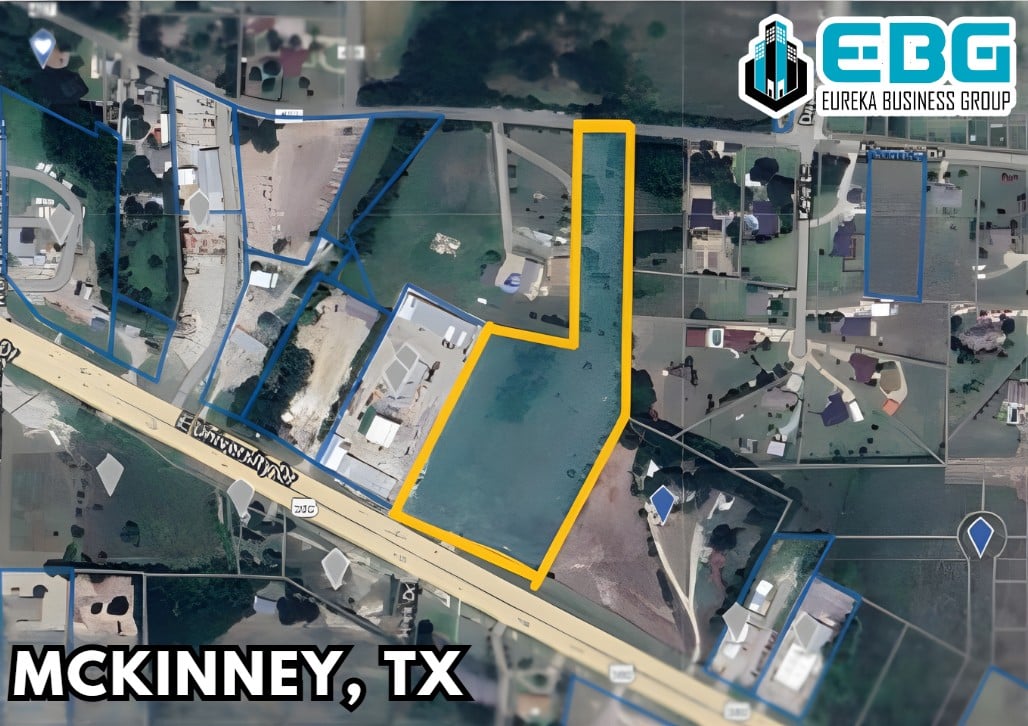
Read More

EBG Listings of The Week 09-27-2025

EBG Listings of The Week

September 27, 2025


So this week was a bit weird. After the interest rate cut, we had mixed reaction from the markets. Some investors were jumping back into the games, others were still holding back, not convinced that the rate cut was enough to drive deals forward. 

Buyers expected to get a good deal and lower rates, sellers think they can get more for their properties since the cost of capital was lowered and in the meantime, not all banks even bothered to change their rates…

Like I said, a weird week. 

That said, as most of you know, I am an investor myself and always advise our clients as if it’s my own money that they will be investing so all I can do is share what I do myself these days and that is to take advantage of  the new rates and make offers on commercial real estate properties. We just submitted an offer on a couple of properties today. 

On another note, I just got an email from one of the local banks we work with and they have a new program that will offer 5.1% rate on owner occupied loans! 


As we do every week, we took time and reviewed all the commercial listings that came on the market and curated this hand-picked list representing the top opportunities we identified as the best value.

If you wanted to keep up to date on retail real estate news, we have a LinkedIn Newsletter you can subscribe to.


Did you know you can LISTEN to this email?

Under $2M

Eureka Business Group: Your Retail Navigator; Charting the Course for Retail Growth!

1,750SF Downtown Retail

Why we like it:

* Historic Downtown Square location
* Turnkey office/medical use with recent renovations or convert to downtown retail 
* Flexible downtown zoning 
* High walkability with Walk Score 70

Eureka Business Group: Your Retail Navigator; Charting the Course for Retail Growth!

14,900 SF Retail Center 

Why we like it:

* 100% leased
* 7.50% cap rate
* Diversified tenant mix

Eureka Business Group: Your Retail Navigator; Charting the Course for Retail Growth!

1,721 SF Freestanding Retail

Why we like it:

* New 2023 build
* 12.5+ year lease term
* Absolute NNN lease with zero landlord responsibilities
* National Strickland Brothers tenant with 250+ locations

$2M-$5M

Eureka Business Group: Your Retail Navigator; Charting the Course for Retail Growth!

5,260 SF Single Tenant Retail

Why we like it:

* Absolute NNN
* corporate IHOP guarantee
* Top 5% IHOP locations nationwide for traffic
* Surrounded by top-performing retailers and entertainment

Eureka Business Group: Your Retail Navigator; Charting the Course for Retail Growth!

6 AC Unrestricted Land

Why we like it:

* US380 Frontage (383 ft)!
* McKinney ETJ
* On DFW’s hottest growth path!
* Exclusive EBG Listing

Eureka Business Group: Your Retail Navigator; Charting the Course for Retail Growth!

18,600 SF Mixed Use

Why we like it:

* Dual-income streams from veterinary practice and self-storage
* 29.32% total return on animal hospital component
* 7.16% combined cap rate 
* Storage upside potential with 69% current occupancy

$5M-$10M

Eureka Business Group: Your Retail Navigator; Charting the Course for Retail Growth!

61,982 SF Retail Center

Why we like it:

* Value-add opportunity with 88% occupancy
* Priced at $137/SF
* 51,847 VPD
* Major retailers nearby

Eureka Business Group: Your Retail Navigator; Charting the Course for Retail Growth!

9,296 SF Gas Station & Retail 

Why we like it:

* High-performing Chevron station with multiple income streams
* $240K monthly convenience store sales
* 140K gallons/mo gas sales

$10M plus

Eureka Business Group: Your Retail Navigator; Charting the Course for Retail Growth!

72,551 SF Retail Center

Why we like it:

* 100% leased.
* National credit tenants
* Below-market rents 
* US 377 location 46,982 VPD!

Cedar Hill ISD Assets Sale

Bids due October 15th
Don’t miss the opportunity to bid on these ISD properties!

Eureka Business Group: Your Retail Navigator; Charting the Course for Retail Growth!

CRE News 09/26/2025

Listen to this week’s hottest Commercial Real Estate News on our podcast

Listen Now

Featured Video

Eureka Business Group: Your Retail Navigator; Charting the Course for Retail Growth!

This week on The Retail Navigator Podcast!

Eureka Business Group: Your Retail Navigator; Charting the Course for Retail Growth!

Joseph Gozlan, Managing Principal

Eureka Business Group
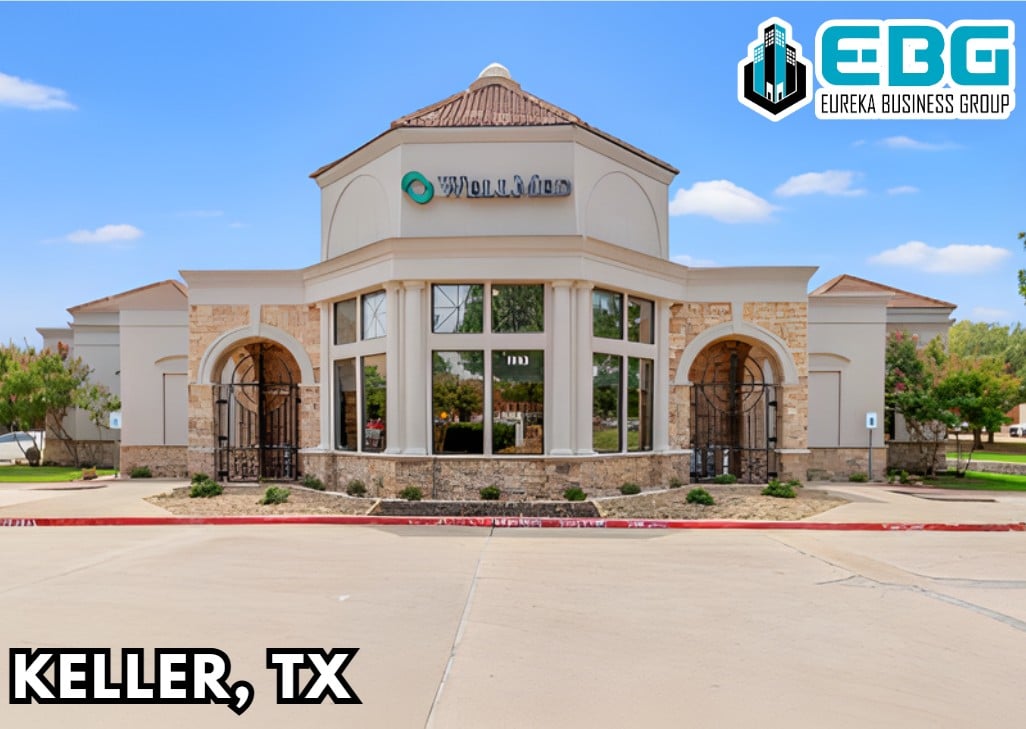
joseph@ebgtexas.com

(903) 600-0616

About Us

Eureka Business Group: Your Retail Navigator; Charting the Course for Retail Growth!

Established in 2008, Eureka Business Group is a full-service commercial real estate brokerage. We specialize in guiding retail investors, retail leaders, franchisees, and business owners through the complexities of retail commercial real estate in the Dallas-Fort Worth market. Whether you’re a seasoned investor, a franchisee ready to expand, or a first-time tenant, we provide expert solutions tailored to your unique goals.
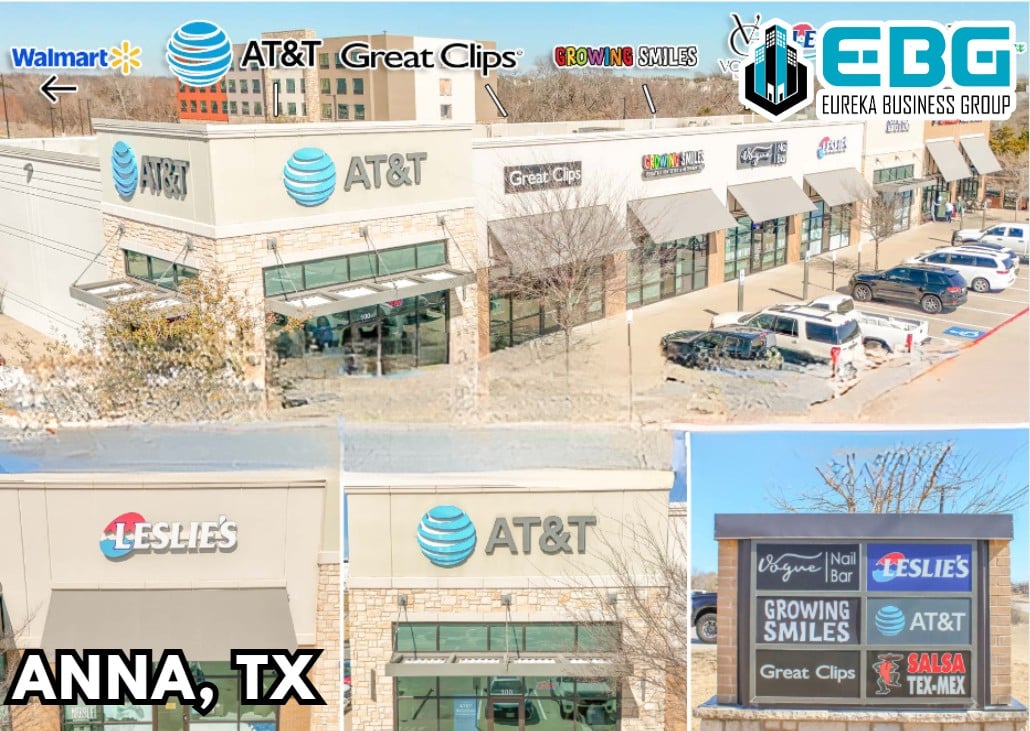
Read More…

Eureka Business Group: Your Retail Navigator in DFW Commercial Real Estate

Sign Up Here
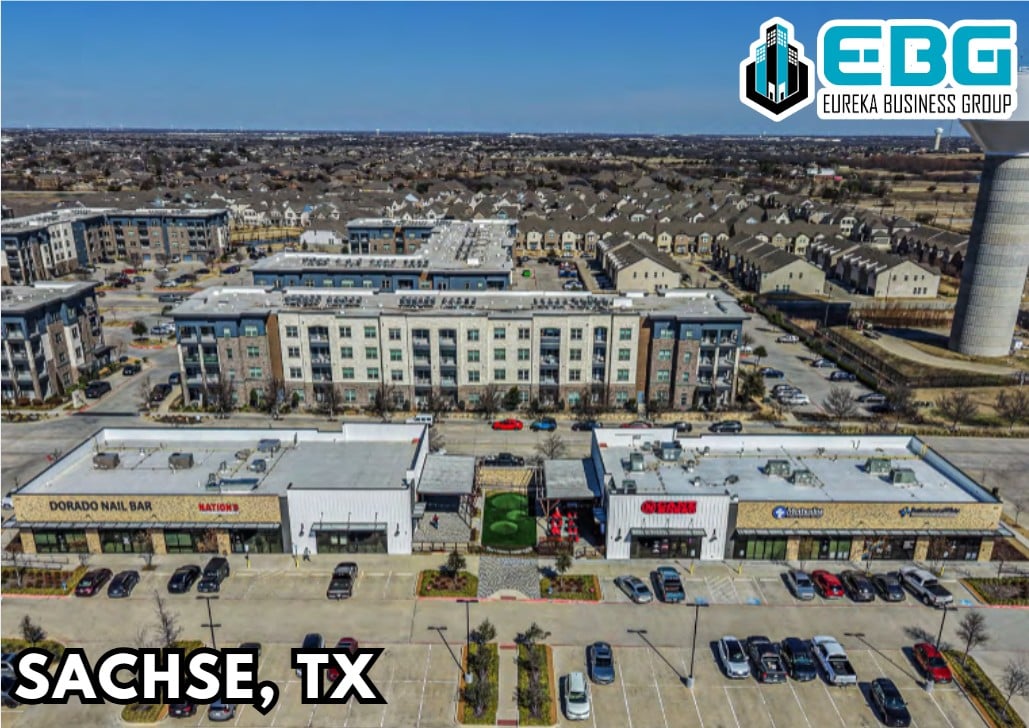
Be the first to learn about lucrative commercial real estate investment opportunities in the DFW market pre-vetted by our CRE experts!

Eureka Business Group: Your Retail Navigator, Charting the Course for Retail Growth!
Read More